

The production of canned apricots will soon begin. For importers, distributors, food manufacturers, and private-label brands, this is one of the most important windows of the year. Apricots have a short harvest season, typically peaking in May to early June in major Chinese growing regions. Once that window closes, fresh supply drops sharply, and prices for quality material climb. Getting your orders in early with a reliable partner like Amoytop Foods means you secure consistent texture, color, and flavor without scrambling later.
Canned apricots in light syrup strike an excellent balance for today’s market. They preserve the fruit at peak ripeness, lock in natural sweetness and nutrients, and deliver year-round availability without the high waste and short shelf life of fresh apricots. For B2B buyers — whether you’re making bakery fillings, yogurt fruit bases, dessert toppings, or retail private label — this format offers convenience, food safety, and consumer appeal.
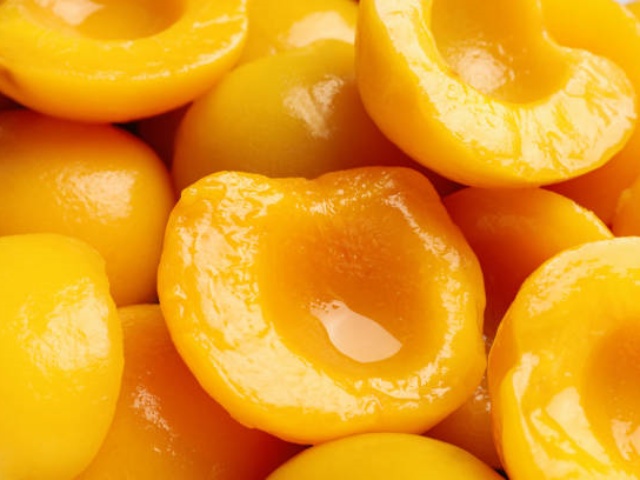
Why Canned Apricots in Light Syrup Are Gaining Traction
Many buyers we work with tell us the same thing: consumers want fruit that tastes natural, not overly sweetened. Light syrup (typically 15-20° Brix) enhances the apricot’s bright, sweet-tart profile without masking it. Compare that to heavy syrup, and the difference is clear — especially as more retailers and food service operators lean toward lower-sugar options.
What many buyers overlook is how processing details affect the final product. Poorly handled apricots can end up mushy, discolored, or with uneven syrup clarity. We’ve seen it happen with new suppliers. The fruit softens too much during sterilization, or the pitting process leaves fragments that affect appearance. These issues don’t always show in lab specs — they show up when your customer opens the can.
From our lines, a standard offering includes apricot halves in light syrup:
· Can sizes: 425g (drained weight ~230-250g), 820g, A10 (3000g) for bulk food service.
· Ingredients: High-quality fresh apricots, water, sugar, citric acid (to maintain color and pH for safety).
· Shelf life: Up to 3 years in cool, dry storage.
· Certifications: HACCP, BRC, IFS — we adapt to target market requirements.
These specs aren’t just numbers. They come from years of refining processes with our factories. Early orders help us reserve better orchard lots — firmer fruit with deeper color and better natural sugar content.
Inside the Production Process: Real Factory Experience
Let me walk you through how it actually works on the floor, because this is where the magic — and the potential problems — happen.
It starts with raw material selection. Our partner factories inspect incoming apricots for maturity, size uniformity, and absence of damage or pests. Only the best make it to the line. Then comes washing, sorting, blanching to loosen skins if peeling is needed, pitting, and cutting into halves or slices.
Next is the filling stage: precise dosing of fruit and light syrup. Air exhausting removes oxygen to prevent corrosion and spoilage. Sealing, sterilization (typically in retorts at controlled time-temperature combinations), and rapid cooling follow. Every step is monitored because even small variations in temperature or timing can turn good fruit into something soft or off-color.
Honestly, this is where many buyers get confused. Two suppliers might quote identical Brix levels and drained weights. In real production, though, the difference shows in how the fruit was sorted, how quickly it moved from harvest to can, and the consistency of the sterilization process. We’ve helped clients fix recurring issues like floating fruit (from improper air removal) or syrup cloudiness (from inadequate filtration or fruit solids).
One project stands out. A European distributor came to us after quality complaints with another supplier — apricots turning brown after a few months on shelf. By adjusting citric acid dosing slightly and tightening blanching parameters, we stabilized the color while keeping the natural look. That client now orders multiple containers per season and mixes in our canned peaches and pineapples for better freight efficiency.
ODM/OEM Capabilities and Packaging Engineering
At Amoytop, we don’t just sell standard product — we work with you on customization. OEM/ODM is straightforward because we understand the full chain.
Want custom Brix for your light syrup? We can dial it in to match your labeling needs (very light, light, or medium). Prefer diced instead of halves for bakery applications? Easy. Private label with your brand on the can or carton? Standard procedure.
Packaging matters more than most people realize. Tinplate cans must handle long ocean voyages without denting or corroding. We’ve engineered solutions like slightly reinforced bodies for high-stack pallets and easy-open lids that improve retail sell-through. For bulk A10 cans, we focus on stackability and opening tools that food service kitchens actually appreciate.
In real projects, one Middle Eastern importer combined our canned apricots, yellow peaches, and sweet corn in one 20ft container. Not only did it reduce per-unit shipping cost, but it let them test multiple products in their market with minimal risk. That kind of flexibility comes from having multiple production lines and strong raw material relationships.
Nutritional Value and Market Trends
Canned apricots retain impressive nutrition. They’re rich in vitamin A (as beta-carotene), vitamin C (though some loss occurs during heating), fiber, and antioxidants. Studies show that many nutrients hold up well — sometimes even becoming more bioavailable after processing.
This fits today’s health-conscious trends. Light syrup versions appeal to families wanting convenient fruit without heavy sugar loads. In food service, they’re perfect for toppings, compotes, or as-is in breakfast buffets. Retail private labels love the year-round consistency and long shelf life.
We’ve noticed growing demand from bakeries using canned apricots in tarts, cakes, and pastries because the texture holds up during baking. Yogurt manufacturers appreciate the stable color and flavor for fruit-on-the-bottom lines.
Common Challenges and How Experienced Buyers Avoid Them
Here’s a real scenario we see every season: A buyer focuses only on price and ends up with inconsistent drained weight or fruit that breaks down in recipes. The cheapest quote often skips the careful sorting or uses marginal raw material.
Another pain point is lead time. Production ramps quickly, but quality raw apricots are limited. Waiting until June often means longer waits or compromised specs.
What many buyers overlook is the importance of supplier transparency. Ask about their orchard sources, testing frequency, and how they handle rejects. At our factories, we maintain traceability and run regular microbial and quality checks.
Color stability is another tricky area. Apricots can oxidize if not processed quickly. Proper antioxidant use (citric acid) and rapid cooling after sterilization make a big difference. We’ve refined these parameters over many seasons.
Texture consistency matters too. Over-processing leads to mush; under-processing risks safety. Our lines use precise retort controls to hit the sweet spot.
Expanding Your Product Mix with Canned Fruits
Smart buyers rarely order just one item. Our range includes canned yellow peaches in light syrup, pineapple chunks, sweet corn, mushrooms, and more. Bundling creates efficiencies in purchasing, shipping, and inventory.
For example, a retailer building a “canned fruit cocktail” line can source multiple fruits from one reliable exporter, simplifying quality control and documentation.
FAQ
1. When is the best time to place orders for canned apricots in light syrup? Ideally now, before peak production. Early commitments secure better raw material lots and shorter lead times.
2. Can you customize the syrup strength or Brix level? Yes. We adjust light syrup to your exact requirements for taste, labeling, and market preferences.
3. What are typical drained weights for your cans? 425g net usually delivers around 230-250g drained fruit. Larger A10 cans scale proportionally for food service needs.
4. Are your canned apricots suitable for private label brands? Absolutely. We offer full OEM services including custom labels, packaging, and recipe tweaks.
5. How does light syrup compare to fruit juice pack or heavy syrup? Light syrup provides great balance of flavor preservation and shelf stability. Juice packs appeal for “no added sugar” claims, while heavy syrup is sweeter but less trendy now.
6. What certifications do you hold? We work with HACCP, BRC, IFS and others based on destination market. Let us know your requirements.
7. Do you provide samples for testing? Yes — we regularly ship samples so you can evaluate texture, color, taste, and performance in your applications.
8. What’s the shelf life and storage recommendation? Up to 3 years unopened when stored in cool, dry conditions. After opening, refrigerate and use within 5-7 days.
9. Can apricots be produced with peels on or off? Both options are possible depending on customer preference and final application.
10. How do you ensure consistent quality across batches? Through strict raw material selection, in-process controls, and final batch testing. Traceability is built into our system.
Packaging, Logistics, and Long-Term Partnership Considerations
Packaging engineering is something we’ve spent real time on. Cans need to survive humidity, temperature swings, and rough handling during international shipping. We’ve adjusted carton strength and pallet configurations based on feedback from long-haul importers.
For larger buyers, we discuss MOQ flexibility, payment terms, and even co-development of new formats. One client wanted smaller retail cans with premium easy-open features for a gourmet line — we made it happen by working directly with the can manufacturer.
In actual projects, relationships built on transparency beat one-off transactions. When you share your end-use requirements (bakery, retail, food service), we can recommend the right cut style, syrup level, and even variety of apricot for best results.
Why Work with Amoytop Foods
Since 2009 we’ve focused on building complete supply links for canned fruits and vegetables. Our trademarks — HOPELAND and FRESHSMILE — reflect our commitment to quality from the land to your shelf. We don’t just produce; we partner.
The production of canned apricots will soon begin. This is your opportunity to secure supply with a supplier that understands the nuances of the process, the needs of B2B buyers, and the importance of consistent quality.
Whether you need standard 425g retail cans or bulk A10 for manufacturing, customization for private label, or a mixed container to test multiple products, we’re ready to support you.
Reach out today for current specifications, pricing, samples, or a detailed production schedule. The best orchard lots and earliest production slots go to those who plan ahead. Let’s make this season’s canned apricots in light syrup a success for your business.