

Introduction to Canned Mushroom Pieces & Stems
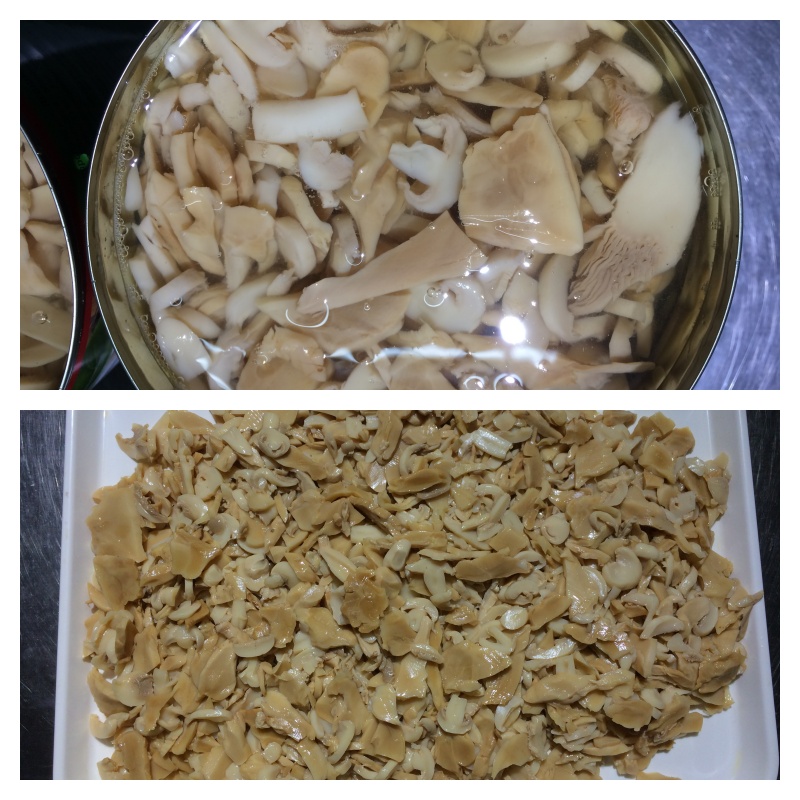
Canned Mushroom Pieces & Stems represent a staple in modern kitchens, offering convenience, flavor, and nutritional value in a single, shelf-stable package. This product, specifically formulated with a unique blend of 40% button mushrooms and 60% King Oyster mushrooms, provides a textured and earthy addition to countless dishes. The term "Canned Mushroom Pieces & Stems" refers to mushrooms that have been harvested, sliced into pieces and stems, and preserved through canning, ensuring they retain their natural taste and texture while extending their usability far beyond fresh produce.
In today's fast-paced world, where meal preparation needs to be quick yet wholesome, Canned Mushroom Pieces & Stems stand out as an essential ingredient. They eliminate the hassle of cleaning, slicing, and dealing with the short shelf life of fresh mushrooms. Whether you're a home cook experimenting with new recipes or a professional chef in a bustling restaurant, this product delivers reliability and versatility. The precise ratio of 40% button mushrooms—known for their mild, versatile flavor—and 60% King Oyster mushrooms—prized for their meaty texture and umami depth—creates a balanced profile that enhances soups, stir-fries, pizzas, and more.
The popularity of Canned Mushroom Pieces & Stems has grown exponentially over the years, driven by increasing awareness of plant-based diets and the demand for sustainable food options. Mushrooms, as fungi, are not only low in calories but also packed with essential nutrients, making them a go-to choice for health-conscious consumers. This article delves deep into the origins, production, benefits, and applications of Canned Mushroom Pieces & Stems, highlighting why this specific blend is a game-changer in the culinary landscape.
Historical Evolution of Canned Mushroom Pieces & Stems
The history of canning mushrooms dates back to the early 19th century when French inventor Nicolas Appert pioneered the process of preserving food in sealed containers. By the mid-1800s, canning had become a commercial practice, initially focusing on fruits and vegetables. Mushrooms entered the canning scene around the turn of the 20th century, with button mushrooms being one of the first varieties to be preserved this way due to their abundance and mild taste.
Button mushrooms, scientifically known as Agaricus bisporus, have been cultivated since the 17th century in France, where they were grown in the catacombs of Paris. Their inclusion in Canned Mushroom Pieces & Stems at 40% pays homage to this heritage, providing a familiar, subtle flavor that appeals to a broad audience. On the other hand, King Oyster mushrooms (Pleurotus eryngii), originating from the Mediterranean and Middle Eastern regions, were introduced to commercial cultivation in the late 20th century. These mushrooms, with their thick stems and firm caps, offer a chewy texture reminiscent of seafood or meat, which is why they dominate at 60% in this blend.
The development of Canned Mushroom Pieces & Stems as a product category surged during World War II, when canned goods became vital for feeding troops and civilians alike. Post-war, the convenience factor propelled its popularity in households. By the 1970s, advancements in agriculture allowed for the hybridization and blending of mushroom varieties, leading to innovative products like the one we're discussing. Today, Canned Mushroom Pieces & Stems are produced globally, with major suppliers in China, Europe, and the United States, ensuring year-round availability.
This historical context underscores the evolution from a preservation necessity to a culinary essential. The 40% button mushroom and 60% King Oyster mushroom ratio in modern Canned Mushroom Pieces & Stems reflects a deliberate choice to combine tradition with innovation, blending the delicate notes of button mushrooms with the robust structure of King Oysters.
The Composition and Sourcing of Canned Mushroom Pieces & Stems
At the heart of Canned Mushroom Pieces & Stems is the carefully curated blend: 40% button mushrooms and 60% King Oyster mushrooms. Button mushrooms are small, white or cream-colored fungi with a closed cap, offering a mild, nutty flavor that's perfect for absorbing seasonings. They make up 40% of the mix, providing a soft, tender bite that contrasts beautifully with the denser components.
King Oyster mushrooms, comprising 60% of the product, are larger and more substantial. Native to warmer climates, they feature long, thick stems that are the primary edible part in canning, hence the "pieces & stems" designation. Their meaty texture holds up well during canning, retaining firmness even after processing. This higher proportion ensures that Canned Mushroom Pieces & Stems have a satisfying chewiness, making them ideal for vegetarian alternatives to meat.
Sourcing these mushrooms involves sustainable farming practices. Button mushrooms are typically grown in controlled environments like compost beds, while King Oysters thrive on substrates such as sawdust or straw. Ethical suppliers prioritize organic methods, avoiding pesticides to maintain the natural integrity of the fungi. Once harvested, the mushrooms are sorted, with only the freshest pieces and stems selected for canning. This blend not only optimizes flavor but also minimizes waste, as stems—which are often discarded in fresh preparations—are fully utilized in Canned Mushroom Pieces & Stems.
Quality control is paramount. Mushrooms are inspected for uniformity, then blanched to preserve color and texture before being packed in brine or water. The canning process involves sealing in tins or jars, followed by sterilization to eliminate bacteria, ensuring a shelf life of up to two years. This meticulous approach guarantees that every can of Canned Mushroom Pieces & Stems delivers consistent quality, with the 40-60 ratio providing a harmonious balance.
Production Process of Canned Mushroom Pieces & Stems
The journey from farm to can for Canned Mushroom Pieces & Stems is a fascinating blend of agriculture and technology. It begins with cultivation: button mushrooms are grown in dark, humid rooms on nutrient-rich compost, harvested when caps are tight. King Oyster mushrooms are cultivated vertically on bags of substrate, allowing for efficient space use and higher yields.
Harvesting occurs at peak maturity to capture optimal flavor. For button mushrooms (40% of the blend), workers hand-pick them to avoid bruising. King Oysters (60%) are cut at the base, focusing on their sturdy stems. Post-harvest, mushrooms are transported to processing facilities where they undergo cleaning to remove any substrate residue.
The key step is slicing: mushrooms are cut into uniform pieces and stems, ensuring even cooking and packing. This is where the blend is created—40% button pieces mixed with 60% King Oyster stems and pieces. The mixture is then blanched in hot water to soften textures and kill enzymes that could cause spoilage.
Packing follows: the blended Canned Mushroom Pieces & Stems are filled into cans along with a preserving liquid, often a light brine to enhance savoriness without overpowering the natural mushroom taste. Sealing and retorting (high-heat processing) come next, sterilizing the contents. Labels are applied, detailing the composition, nutritional info, and storage instructions.
Modern facilities incorporate automation for precision, but human oversight ensures quality. Sustainability is emphasized, with water recycling and waste composting. This process not only preserves the mushrooms but enhances their usability, making Canned Mushroom Pieces & Stems a reliable pantry staple.
Nutritional Benefits of Canned Mushroom Pieces & Stems
One of the most compelling reasons to incorporate Canned Mushroom Pieces & Stems into your diet is their impressive nutritional profile. Mushrooms are low-calorie powerhouses, with a serving of this blend providing essential vitamins, minerals, and antioxidants.
Button mushrooms (40%) are rich in B vitamins like riboflavin and niacin, supporting energy metabolism. They also contain selenium, an antioxidant that boosts immune function. King Oyster mushrooms (60%) excel in ergothioneine, a unique antioxidant that protects cells from damage, and beta-glucans, which promote heart health by lowering cholesterol.
Together, Canned Mushroom Pieces & Stems offer a good source of dietary fiber, aiding digestion and promoting satiety. They're naturally low in fat and sodium (especially in no-salt-added varieties), making them suitable for various dietary needs, including vegan, keto, and gluten-free lifestyles.
Protein content is noteworthy; King Oysters provide a plant-based protein boost, while buttons add potassium for blood pressure regulation. The canning process preserves most nutrients, with minimal loss compared to fresh. Studies show that canned mushrooms retain up to 95% of their antioxidant capacity.
For those managing weight or diabetes, the low glycemic index of Canned Mushroom Pieces & Stems helps stabilize blood sugar. They're also a source of vitamin D when exposed to UV light during growth, rare in plant foods. Incorporating this blend into meals can enhance overall nutrient intake without adding calories.
Culinary Applications and Recipes Featuring Canned Mushroom Pieces & Stems
The versatility of Canned Mushroom Pieces & Stems shines in the kitchen. Their pre-sliced form saves time, and the blend's texture holds up in high-heat cooking.
Start with simple additions: drain and sauté Canned Mushroom Pieces & Stems in olive oil with garlic for a quick side. The 60% King Oyster provides a meaty base, while 40% buttons absorb flavors.
In soups, like cream of mushroom, they form the backbone. Recipe: Sauté onions, add drained Canned Mushroom Pieces & Stems, blend with stock and cream for a velvety soup serving 4.
For stir-fries, mix with veggies and protein. The King Oyster stems mimic scallops. Asian-inspired: Stir-fry with soy sauce, ginger, and broccoli.
Pizzas and pastas benefit too. Top pizza with Canned Mushroom Pieces & Stems for umami. In pasta: Toss with marinara, adding the blend for depth.
Vegetarian mains: Stuff peppers with quinoa, cheese, and Canned Mushroom Pieces & Stems. Bake for 30 minutes.
Casseroles: Layer in green bean casserole, replacing fresh mushrooms.
Salads: Rinse and add to cold salads for texture.
Global cuisines: In Indian curries, the blend absorbs spices. Mexican: In tacos as a meat substitute.
Baking: Incorporate into quiches or muffins for savory twists.
With endless possibilities, Canned Mushroom Pieces & Stems elevate everyday meals.
Storage, Shelf Life, and Safety Considerations for Canned Mushroom Pieces & Stems
Proper storage ensures the longevity of Canned Mushroom Pieces & Stems. Unopened cans should be kept in a cool, dry pantry, away from direct sunlight, lasting 2-5 years past the best-by date.
Once opened, transfer contents to a glass or plastic container and refrigerate, using within 3-5 days to prevent spoilage. Freezing is possible for up to 3 months, though texture may soften.
Safety is key: Inspect cans for dents or bulges before use; discard if compromised to avoid botulism risk. After opening, check for off odors or sliminess.
The canning process makes them safe, but always heat thoroughly in recipes. For those with allergies, note that mushrooms can trigger reactions in sensitive individuals.
Environmentally, choose brands with recyclable packaging to reduce waste.
Comparing Canned Mushroom Pieces & Stems to Other Mushroom Products
Compared to fresh mushrooms, Canned Mushroom Pieces & Stems offer convenience and longer shelf life, though fresh provide crisper texture. Dried mushrooms require rehydration but concentrate flavor.
Frozen mushrooms retain more nutrients but need thawing. The specific 40-60 blend in Canned Mushroom Pieces & Stems sets it apart from single-variety cans, offering superior texture variety.
Premium brands may use organic mushrooms, justifying higher costs. Generic versions are budget-friendly but check for additives.
In terms of sustainability, canned products reduce food waste compared to fresh, which spoil quickly.
Market Trends and Future of Canned Mushroom Pieces & Stems
The market for Canned Mushroom Pieces & Stems is booming, driven by plant-based trends. Sales grew 15% annually, with blends like this gaining traction.
Innovations include low-sodium options and flavored varieties. Sustainability focuses on eco-friendly farming.
Future prospects: Integration into ready-meals and global export growth.
Conclusion: Embracing Canned Mushroom Pieces & Stems in Daily Life
In summary, Canned Mushroom Pieces & Stems, with its 40% button mushroom and 60% King Oyster mushroom blend, is a culinary powerhouse. From history to health benefits, it's a product that combines tradition, nutrition, and versatility. Whether enhancing a simple meal or starring in a gourmet dish, it deserves a spot in every kitchen. Explore its potential and discover how this humble can transforms your cooking.