

Introduction
If you love cooking, you know that tomatoes are one of the most versatile and essential ingredients in the kitchen. Yet relying on fresh tomatoes year-round can be challenging: seasonal fluctuations, variable quality, and the hassle of peeling, chopping or processing. That’s why more and more home cooks and professional kitchens turn to canned whole peeled tomatoes. In this blog post we explore why canned whole peeled tomatoes stand out — especially when produced and packaged properly — and how choosing the right ones can make all the difference in your recipes.
We draw on our experience at AMOYTOP Foods and aim to give you a complete, authoritative guide to using canned whole peeled tomatoes (tomatoes), including how to pick them, how to use them, common mistakes — and how to avoid them.
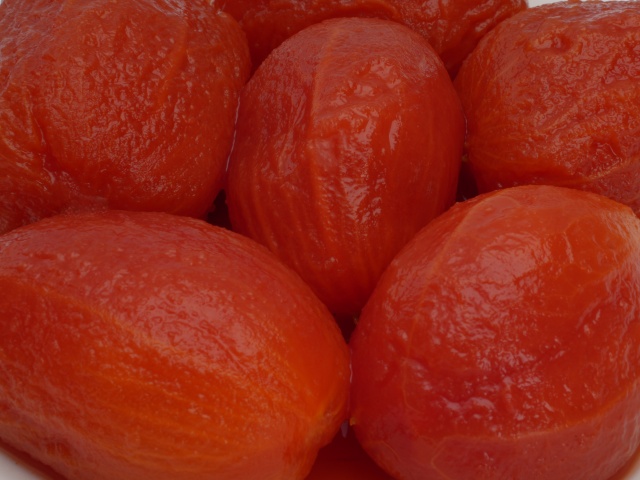
What are Canned Whole Peeled Tomatoes
Canned whole peeled tomatoes are ripe, high-quality tomatoes that have been peeled, packed (often in their own tomato juice), and sealed in a can. Once opened, they offer ready-to-use tomato flesh with minimal prep work. Compared with diced, crushed, or pureed tomato products, whole peeled tomatoes give you maximum control over texture and consistency — you can crush them by hand, blend them, or leave them whole depending on how you plan to cook.
In a clean-label, high-standard production, ideally the can should list only “tomatoes” (and maybe salt). That minimal ingredient list emphasizes purity and quality.
Advantages of Canned Whole Peeled Tomatoes
Rich Flavor and Nutritional Value
Deep, balanced taste and aroma: Good canned whole peeled tomatoes capture the flavor of vine-ripened tomatoes at peak maturity. Compared with some diced or heavily processed tomatoes, they bring a fresh, natural tomato taste — ideal as a base for sauces, soups, stews, curries, casseroles, and more. Many chefs believe that quality whole peeled “pelati” produce superior results compared to pre-crushed or pureed alternatives.
Nutritional benefits: Tomatoes (fresh or canned) are a rich source of vitamins (like vitamin C, A), minerals (potassium, folate) and antioxidants — especially lycopene, the red pigment linked to multiple health benefits. Research shows that processed tomato products — like canned tomatoes — often make lycopene more bioavailable than fresh tomatoes.
Year-round availability & consistency: Unlike fresh tomatoes, whose taste and supply fluctuate seasonally, canned whole peeled tomatoes offer consistent taste and texture anytime. That makes them a reliable pantry staple for home cooks, restaurants, and foodservice operators.
Maximum Versatility & Control
Because you get whole peeled tomatoes, you decide how they are used:
Use them whole in soups or stews.
Hand-crush for a rustic sauce texture.
Blend or food-process for a smooth base for pasta sauces, pizza sauce, or tomato soups.
This flexibility is especially valuable in restaurants or foodservice — one ingredient can serve multiple recipes. Many cooking experts recommend starting with whole peeled tomatoes rather than pre-crushed or diced, to retain control over texture and avoid additives that affect cooking behavior.
Time and Effort Saving
Peeling, deseeding, and preparing fresh tomatoes is time-consuming. With canned whole peeled tomatoes, you skip that entire process. They come ready to use, saving prep time — a big plus for busy kitchens, home cooks, and industrial food service alike.
Reliability & Shelf Stability
Because canned tomatoes are processed and sealed under controlled conditions, they remain shelf-stable for long periods. This ensures supply reliability, reduces waste, and simplifies logistics — particularly valuable for importers, distributors or private-label producers such as AMOYTOP Foods. In many cases, canned tomato products keep their nutritional and flavor quality over extended storage.
Scenario: When and Why You’d Use Canned Whole Peeled Tomatoes
Home cooking — easy pasta sauce, quick tomato soup, chili, curry, stew.
Restaurant kitchens / foodservice — consistent supply for sauces, stews, pizzas, casseroles.
Off-season cooking — when fresh tomatoes are not available or taste is poor, canned provides reliability.
Bulk cooking or large-scale meal prep — using canned whole peeled tomatoes reduces overhead (labor, prep time), simplifies stocks, and ensures consistent output.
Private-label or OEM food production — for companies looking to produce own-brand tomato sauces or processed tomato products, high-quality canned peeled tomatoes serve as a stable base.
Given the growing global market for canned peeled tomatoes (expected to grow at ~5.3% CAGR to 2030) and increasing demand especially in Asia-Pacific foodservice and retail sectors, canned whole peeled tomatoes represent a smart inventory and sourcing strategy.
Common Pain Points (and How Canned Whole Peeled Tomatoes Solve Them)
Pain Point: Seasonal variation or poor flavor of fresh tomatoes
Solution: Canned whole peeled tomatoes provide a consistent, ripe-tomato taste regardless of the season. The canning process captures flavor at peak ripeness and preserves it for months.
Pain Point: Time-consuming prep — washing, peeling, deseeding fresh tomatoes
Solution: Canned tomatoes come ready to use — peeled, cleaned, and preserved. You skip labor-intensive prep.
Pain Point: Inconsistent cooking results, especially in sauces or stews
Solution: Because cans are uniform and well controlled, you get consistent flavor, acidity, and texture batch after batch. That helps maintain quality in repeat recipes.
Pain Point: Lack of storage stability or waste if produce spoils
Solution: Shelf-stable canned tomatoes store easily and reduce waste. You can stock up without worrying about spoilage — ideal for restaurants, distributors, or home kitchens planning meals in advance.
Key Points to Look For When Choosing Canned Whole Peeled Tomatoes
When selecting canned whole peeled tomatoes, whether as a home cook or a buyer/distributor, pay attention to the following criteria to ensure quality, flavor, and reliability.
✅ Ingredient list — keep it simple
Choose cans that list only “tomatoes” (and optionally salt). Avoid additional acidity regulators, preservatives, or too many additives. High-quality producers often rely on minimal ingredients to preserve natural flavor.
✅ Color and appearance
A deep, vibrant red color indicates good ripeness and proper canning. Avoid pale or dull-looking tomatoes, or tomatoes with green or yellow shoulders. Such visual signs often reflect inferior ripening or poor processing.
✅ Uniform size and flesh integrity
Good cans should contain tomatoes that are similar in size, firm, and intact. Avoid cans with mushy, broken, or overly watery content — they will yield poor texture and lack flavor.
✅ Juice medium (tomato juice not watery media)
The packing medium should ideally be tomato juice (or natural juice), not thin water or overly diluted liquid. Thick, richly colored juice enhances flavor and avoids watery, bland results.
✅ Trustworthy origin & brand / manufacturer reputation
Provenance matters. Tomatoes grown in ideal soil and climatic conditions — processed under stringent standards — usually taste better. If possible, choose tomatoes from reputable producers or suppliers you trust. For those in sourcing or business, working with a partner committed to quality control (like AMOYTOP Foods) ensures consistent supply and product reliability.
Recommended Parameters & Usage Tips
If I were you (a buyer or home cook), here are the parameters and usage tips I’d follow when using canned whole peeled tomatoes:
Use whole peeled tomatoes (not diced or pre-crushed) as your base. That gives you maximum flexibility — you can hand crush, puree, or leave whole as needed.
Use both tomato flesh and juice — don’t discard the juice. It carries flavor and nutrients, and adds body to sauces, soups or stews.
Blend or crush according to recipe: For smooth sauces → use blender/food processor. For rustic texture → crush by hand or with spoon/scissors right in the can. Many chefs use scissors to cut the tomatoes directly inside the can.
Simmer gently for best flavor: Let sauces or stews simmer to allow tomatoes to break down naturally; avoid excessive boiling which may degrade flavor.
Store unopened cans in cool, dry place; once opened, transfer to a clean, airtight container and refrigerate — use within a couple of days. This ensures freshness and safety.
Common Mistakes or Pitfalls (and How to Avoid Them)
Even with canned whole peeled tomatoes, people sometimes make mistakes that undermine flavor, texture, or nutrition. Here are common pitfalls — and how to avoid them.
❌ Mistake: Choosing wrong type — using diced, crushed or pureed when whole peeled is better
Many recipes call for “diced” or “crushed” tomatoes because they seem convenient. However, these pre-processed forms limit control over texture, often include additives (e.g., to preserve firmness), and may come with thinner juice or less vibrant flavor. That can make sauces watery or bland.
Solution: Start with good-quality whole peeled tomatoes. Then shape the texture yourself by crushing or blending.
❌ Mistake: Discarding the tomato juice / media
Some cooks drain off the liquid and use only the tomato flesh. That wastes a lot of flavor and nutrition. The juice often carries rich tomato flavor, soluble antioxidants, and adds body to sauces and soups.
Solution: Use both tomato flesh and juice, unless clarity or texture absolutely demands draining.
❌ Mistake: Using low-quality canned tomatoes (pale, watery, inconsistent)
Not all canned tomatoes are equal. Poorly processed or low-grade canned tomatoes often taste metallic or watery and fail to deliver that rich tomato character.
Solution: Follow the quality checklist above — check ingredients, color, firmness, origin, juice medium.
❌ Mistake: Overlooking storage and can quality
Sometimes users store cans improperly (in high humidity or heat) or reuse old/ damaged cans: dents, bulges, rust. That risks spoilage or compromised quality.
Solution: Store unopened cans in a cool, dry place; avoid dented, rusted or bulging cans. Use opened contents promptly.
Why AMOYTOP Foods’ Canned Whole Peeled Tomatoes Stand Out (From Our Perspective)
At AMOYTOP Foods we understand that quality, consistency, and reliability matter — whether you’re a home cook, a retailer, a foodservice operator, or a private-label brand. Here’s why our approach to canned whole peeled tomatoes (tomatoes) delivers advantages you can trust:
Stringent raw material selection: We choose only ripe, premium tomatoes at peak maturity to ensure natural sweetness, balanced acidity, and vibrant color.
Careful processing & peeling: Our tomatoes undergo a gentle peeling process and are packed in their own juice, preserving natural flavor, texture, and nutritional value.
Minimal additives: We commit to clean-label products — no unnecessary preservatives or fillers; often only tomatoes (and salt) — maximizing purity and flexibility for cooking.
Quality control & stable supply: Our production lines follow high food-safety standards and QC protocols, ensuring consistent quality and stable supply — critical for bulk buyers, retail, and foodservice.
Versatility for multiple applications: Ideal as base for sauces, soups, stews, curries, casseroles, pizza, pasta — or as a building block for private-label tomato products. Our whole peeled tomatoes give partners full flexibility over recipe, taste, texture, branding.
In short: we treat canned whole peeled tomatoes not as a commodity, but as a foundational ingredient — because we know that cooking quality, consumer satisfaction, and brand reputation often start with the tomatoes.
FAQ — Common Questions About Canned Whole Peeled Tomatoes
Q: Are canned whole peeled tomatoes as nutritious as fresh tomatoes?
A: Yes — in some ways, even more so. The canning process breaks down tomato cell walls, making nutrients like lycopene more bioavailable. Canned tomatoes still provide vitamins (C, A), potassium, fiber, and antioxidants.
Q: Should I always use the tomato juice in the can, or is it okay to drain it?
A: For maximum flavor and nutrition, use both the tomato flesh and juice. The juice carries a lot of natural tomato flavor and soluble nutrients. Only drain if recipe requires less liquid or a firmer texture.
Q: Is it better to choose whole peeled over diced or crushed tomatoes?
A: In most cases, yes. Whole peeled gives you more control over texture and flavor — you can crush, chop or blend as needed. Pre-diced or crushed tomatoes may contain additives (e.g., to keep firmness) and limit flexibility.
Q: How can I tell if canned tomatoes are high quality before buying?
A: Check the label: fewer ingredients (only tomatoes, maybe salt), vivid red color (no green/yellow shoulders), uniform tomato size, firm flesh, and rich, non-watery juice. Also avoid cans with dents, rust or bulging lids.
Q: How should I store unopened and opened canned tomatoes?
A: Store unopened cans in a cool, dry place at room temperature. After opening, transfer contents to a clean, airtight glass or plastic container, refrigerate, and use within a few days.
Conclusion
Canned whole peeled tomatoes offer a powerful combination of flavor, nutrition, convenience, and consistency — far surpassing many people’s expectations for a pantry staple. When produced with care, using high-quality raw tomatoes, clean-label packaging, and stable processing, they deliver an excellent base for sauces, soups, stews, pizzas, pastas, curries, casseroles — the list goes on.
For home cooks, they simplify meal prep and guarantee reliable flavor even when fresh tomatoes are out of season. For retailers, foodservice operators, and private-label producers (like those partnering with AMOYTOP Foods), they offer a scalable, versatile ingredient that meets both quality and supply requirements.
If you haven’t yet made canned whole peeled tomatoes a regular part of your pantry or product line — now is a good time to start. With attention to quality and smart usage, this humble can can unlock richer flavors, greater convenience, and better cooking results.