

Walk into any modern supermarket or scroll through foodservice catalogs and you’ll see the trend: consumers want convenient, exotic, and colorful fruit options. Canned arbutus fits perfectly. Its deep ruby-red berries pop visually in clear packaging, and the light syrup (typically 14-17° Brix) preserves natural taste without making it cloying.
In real projects we’ve supported at Amoytop Foods, clients often start with small test orders for private label programs and quickly scale up. One European distributor told us their canned arbutus line became a surprise hit in premium dessert sections because the color alone drove impulse buys. Another café chain in Southeast Asia uses it in bubble tea and fruit teas year-round, avoiding the price swings and supply gaps of fresh fruit.
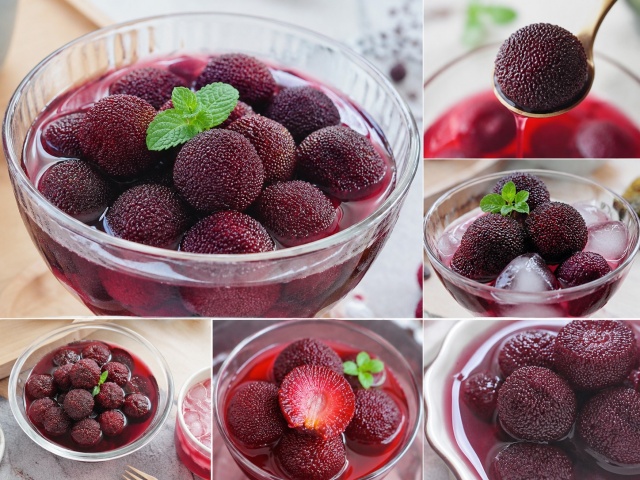
Typical product specs you’ll see from experienced manufacturers like us:
· Net weight: 567g or custom sizes (common retail and foodservice options)
· Drained weight: around 40-50% fruit
· Light syrup: balanced sweetness that highlights the fruit’s natural tartness
· Shelf life: 2–3 years when stored properly
· Certifications: often ISO, HACCP, BRC, Kosher, Halal depending on market needs
These details matter because buyers hate surprises in texture or color after arrival.
The Production Reality: From Orchard to Can
Honestly, this is where many buyers get confused. Not all canned fruit is created equal. At a good factory, the process starts with strict raw material selection during the short harvest window. Workers pick only fully ripe, undamaged berries in the early morning to minimize field heat.
Then comes cleaning — thorough but gentle, because these berries have a textured surface that can trap dirt or small insects (a known characteristic of fresh yangmei). Rapid processing follows: sorting, blanching or pasteurizing steps, filling into cans with prepared light syrup, sealing, and retort processing. The goal is to lock in that juicy bite and bright color while meeting food safety standards.
We’ve seen what happens when corners are cut — faded color, mushy texture, or off-flavors after a few months on the shelf. That’s why experienced importers look for partners with integrated factories (like our holding facilities in Zhangzhou and elsewhere) that control the chain from selection to export documentation.
Packaging engineering side: Can integrity is everything. We use lacquered cans that resist acid corrosion from the fruit’s natural acids. For private label, clients choose easy-open lids, attractive label designs, or even pouch options for certain markets. OEM/ODM flexibility here lets you match local retail preferences — whether that’s a sleek premium look in Europe or value-focused multipacks in emerging markets.
Real-World Applications: Beyond Straight-from-the-Can
What many overlook is how versatile canned arbutus becomes once you start experimenting. It’s not just a snack.
· Beverages: Mix the fruit and syrup into sparkling water with lemon for an instant refreshing drink. Bubble tea shops love the chewy texture as a topping. Bartenders use it in cocktails or mocktails for natural color and flavor.
· Desserts: Top vanilla ice cream, fold into yogurt parfaits, or use as cheesecake decoration. The vibrant red makes plates look professional with almost no effort.
· Bakery: Chopped pieces in muffins, tarts, or cake fillings add moisture and visual contrast. In one bakery trial we supported, arbutus tarts sold out faster than strawberry versions because customers called the flavor “more interesting — like a mix of pomegranate and strawberry with a floral note.”
· Savory twists: Some chefs experiment with it in sauces or even paired with meats, drawing on traditional Chinese uses where yangmei balances richer flavors.
In Asian grocery stores, you’ll often find it alongside longan and lychee, but its unique tartness sets it apart. In Western markets, it positions well as an exotic superfruit alternative — high in antioxidants like anthocyanins, vitamin C, and other beneficial compounds.
Buyer Psychology and Common Pitfalls
Here’s something from years of talking to importers: many focus only on price per case at first. Then they face claims after a few shipments — color fading, syrup crystallization, or inconsistent drained weight. The difference usually comes down to supplier experience and process control.
Pay attention to:
· Consistent Brix level in the syrup
· Uniform berry size and color across batches
· Proper headspace and sealing to prevent dents or leaks during ocean transit
· Clear documentation for customs (many markets have specific fruit import rules)
We’ve helped clients switch from lower-cost suppliers after quality issues cost them retail shelf space. The slightly higher initial investment in a reliable partner almost always pays off in repeat orders and fewer headaches.
Market Trends Supporting Canned Arbutus Growth
The broader canned fruit category continues to grow steadily, driven by convenience, reduced food waste, and year-round availability. Global demand for exotic and functional fruits adds extra tailwind for specialties like arbutus. Busy households, foodservice operators, and manufacturers all value shelf-stable options that don’t require refrigeration before opening.
For B2B buyers, this translates to easier inventory planning, lower spoilage risk, and the ability to offer “seasonal” desserts anytime. Private label programs particularly love it because the striking color helps products stand out on crowded shelves.
Frequently Asked Questions
What exactly is arbutus / yangmei? It’s the fruit of Myrica rubra, a subtropical tree native to China and parts of East Asia. Also called Chinese bayberry or waxberry, it has a distinctive knobby red surface and juicy, sweet-tart flesh with a central pit.
Is canned arbutus in light syrup healthy? Yes — it retains much of the fruit’s natural vitamin C, antioxidants (including anthocyanins), and fiber. Light syrup keeps added sugar moderate compared to heavy syrup versions, making it a lighter treat option.
How long does it last? Unopened cans typically have a 2–3 year shelf life. Once opened, transfer to a sealed container and refrigerate — best used within a few days for optimal flavor and texture.
Can I use it in cooking and baking? Absolutely. It holds up well in baked goods, sauces, and beverages. Many bakers prefer it over fresh because the texture is consistent and it’s available year-round.
What’s the difference between light syrup and heavy syrup versions? Light syrup (around 14-17° Brix) lets the fruit’s natural tartness shine through and appeals to health-conscious buyers. Heavy syrup is sweeter and sometimes preferred for certain dessert applications.
Is it suitable for export and private label? Yes. Reputable manufacturers offer OEM/ODM services, custom labeling, different can sizes, and full export documentation support.
How should I store unopened cans? In a cool, dry place away from direct sunlight and extreme temperatures. No refrigeration needed until opened.
Any common allergens or concerns? It’s naturally gluten-free, fat-free, and plant-based. Always check labels for specific processing facility info if cross-contamination is a concern for your market.
Choosing the Right Supplier: What Experience Teaches You
After handling hundreds of shipments, one lesson stands out: the best partners treat canning as both science and craft. They understand harvest timing, variety selection (different cultivars offer slight variations in sweetness and size), and how processing parameters affect final texture.
At Amoytop Foods, with our background supplying canned fruits and vegetables globally since 2009, we focus on stable quality, flexible OEM solutions, and honest communication. Our HOPELAND and FRESHSMILE brands reflect that commitment — products rooted in good raw materials that bring reliable results to customers.
We’ve supported clients moving from trial orders to full container loads by providing samples, spec sheets, and ongoing quality feedback. Whether you need 567g retail cans or larger foodservice formats, the process is designed to reduce your risk.
Final Thoughts
Canned arbutus in light syrup isn’t just another canned fruit — it’s a practical, eye-catching, and flavorful solution for today’s demanding markets. It solves real supply chain problems (seasonality, perishability) while opening creative doors in kitchens and on menus worldwide.
If you’re an importer, distributor, or food manufacturer looking to add something distinctive to your lineup, this is one product worth testing. Its combination of visual appeal, versatile use, and stable supply makes it a smart addition to any premium or exotic fruit range.
Ready to explore options? Reach out for current specifications, pricing, and samples. We’re here to help you bring this unique Chinese bayberry experience to more tables and shelves around the world.