

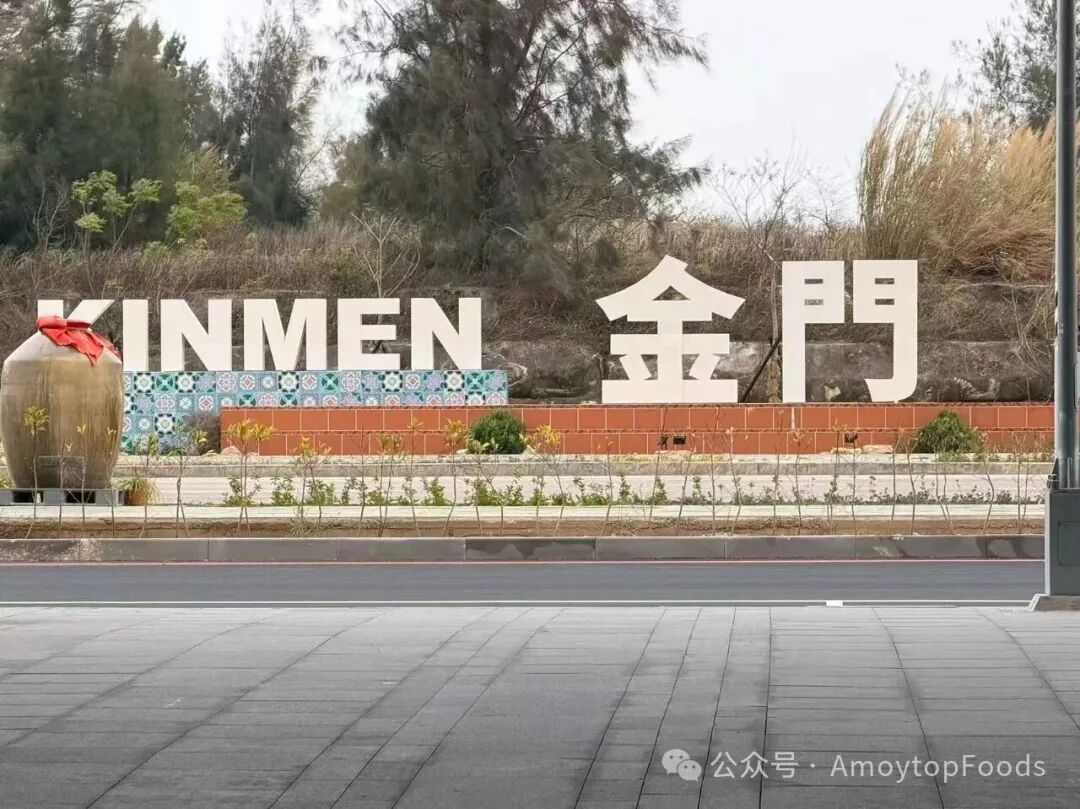
In the tender embrace of a March sea breeze that swept gently across Xiamen's bustling pier, every member of the Amoytop Foods family felt an unspoken yearning stir within—an irresistible call toward distant mountains and the boundless sea. On March 21 and 22, the entire team set aside the familiar rhythm of office desks, production lines, spreadsheets, and deadlines. With hearts light and expectations high, they boarded a ferry and crossed the Taiwan Strait to Kinmen—an island that carries the scars and pride of its turbulent military past while quietly preserving the warm, vibrant soul of southern Fujian culture.
This was no ordinary getaway. Over two days and one unforgettable night, the journey became a living crucible: forging deeper trust, rekindling camaraderie, dissolving invisible barriers between departments, and reminding every participant that true strength emerges not from individual effort alone, but from the collective heartbeat of a unified team.
The Departure: Leaving the Mainland, Embracing the Unknown
Dawn had barely broken when the Amoytop group converged at Xiamen's Wutong Ferry Terminal. The air already hummed with anticipation—colleagues who normally exchanged only quick nods in hallways now greeted one another with wide grins, playful shoulder bumps, and excited bursts of conversation. Backpacks brimmed with snacks, cameras, sunscreen, and that intangible sense of adventure. As boarding announcements echoed across the terminal, the team filed aboard in an orderly yet joyful procession.
The ferry slipped away from the concrete embrace of the city. Skyscrapers shrank into distant silhouettes; the ceaseless hum of urban life faded until only the steady thrum of engines and the rhythmic slap of waves against the hull remained. On the open deck, a cool, salty wind whipped through hair and tugged at jackets. Some leaned against the railing to watch the water turn from gray-green to brilliant turquoise as sunlight strengthened. Others clustered in small groups, sharing stories of previous travels or speculating about what Kinmen might reveal.
After roughly thirty minutes of serene sailing, the low, rugged outline of Kinmen rose on the horizon. Disembarking felt like stepping into another world: cleaner air, quieter streets, palm trees swaying lazily, and an almost palpable whisper of history that seemed to linger in every breath. The island greeted us not with fanfare, but with the calm dignity of an elder who has seen both war and peace and chosen tranquility.
Day One: Climbing Toward Perspective, Walking Through Time
Our first destination was Juguang Tower, Kinmen’s most instantly recognizable symbol. Rising in grand, traditional Chinese palace style with sweeping eaves and bold red pillars, the tower has stood as both a military lookout and a monument to endurance for decades. The team ascended the long staircase together, step by synchronized step, chatting and laughing until the final landing opened onto a sweeping 360-degree vista.
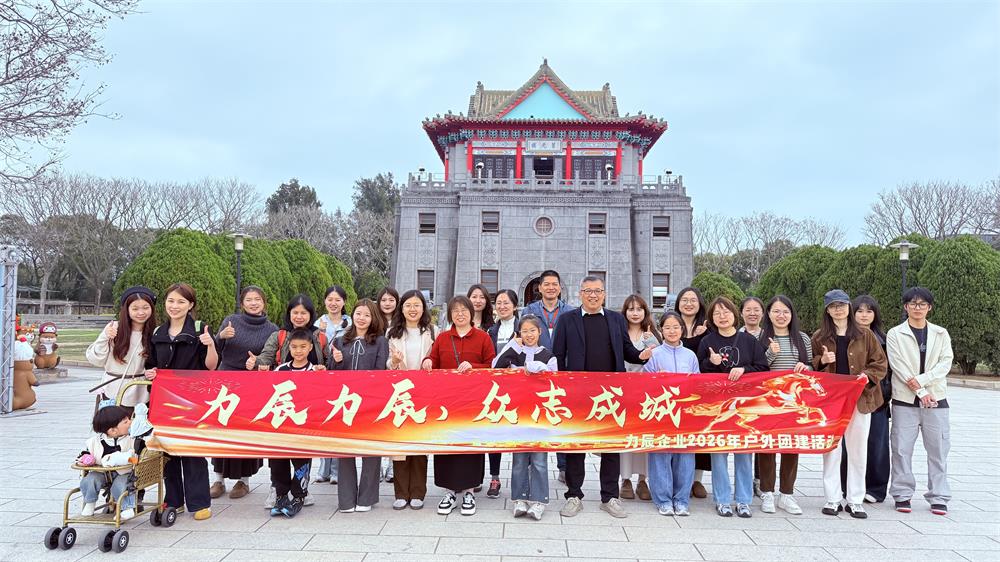
From the top, Kinmen unfolded like a living painting: the vast Taiwan Strait shimmering under morning light, fishing boats dotting the water like scattered jewels, clusters of traditional Minnan-style houses with their distinctive swallowtail ridges patchwork across green fields, and—on the clearest days—the faint silhouette of the mainland coast visible across the water. The sky felt impossibly high, the clouds impossibly soft. In that elevated silence, broken only by the wind and occasional exclamations of wonder, everyday worries—deadlines, quotas, emails—dissolved. Faces relaxed into genuine, unguarded smiles. For many, it was the first moment of real mental pause in months.
Descending, we entered Shuitou Village, one of the best-preserved traditional settlements on the island. Narrow lanes wound between red-brick mansions adorned with intricate stone carvings, delicate wood latticework, and gracefully curved rooflines that seemed to reach toward the heavens. Each house told its own quiet story of prosperity earned through hardship—families who sailed to Southeast Asia in the 19th and early 20th centuries, labored in mines, plantations, and shops, and eventually returned to build these enduring homes as testaments to their success and love for their homeland.
At Deyue Tower, the team paused longest. This elegant five-story structure blends classical Chinese elements with subtle Western influences—a practical watchtower constructed by an overseas Chinese merchant to protect his family and village from bandits during turbulent times. Standing beneath its shadow, we imagined lookouts scanning the horizon at dusk, lanterns swaying, families gathered below in anxious wait. Today the tower stands peaceful under bright sunlight, a silent ambassador of resilience, ambition, and the unbreakable ties between Kinmen and its global diaspora.
Nearby, the colonial-era Jinshui Elementary School transported us further back. White columns, arched windows, and faded pastel walls evoked an era when school bells rang across the island and children’s voices carried on the breeze. Walking the grounds, several team members reminisced about their own childhood classrooms, sharing memories that bridged generations and cultures.
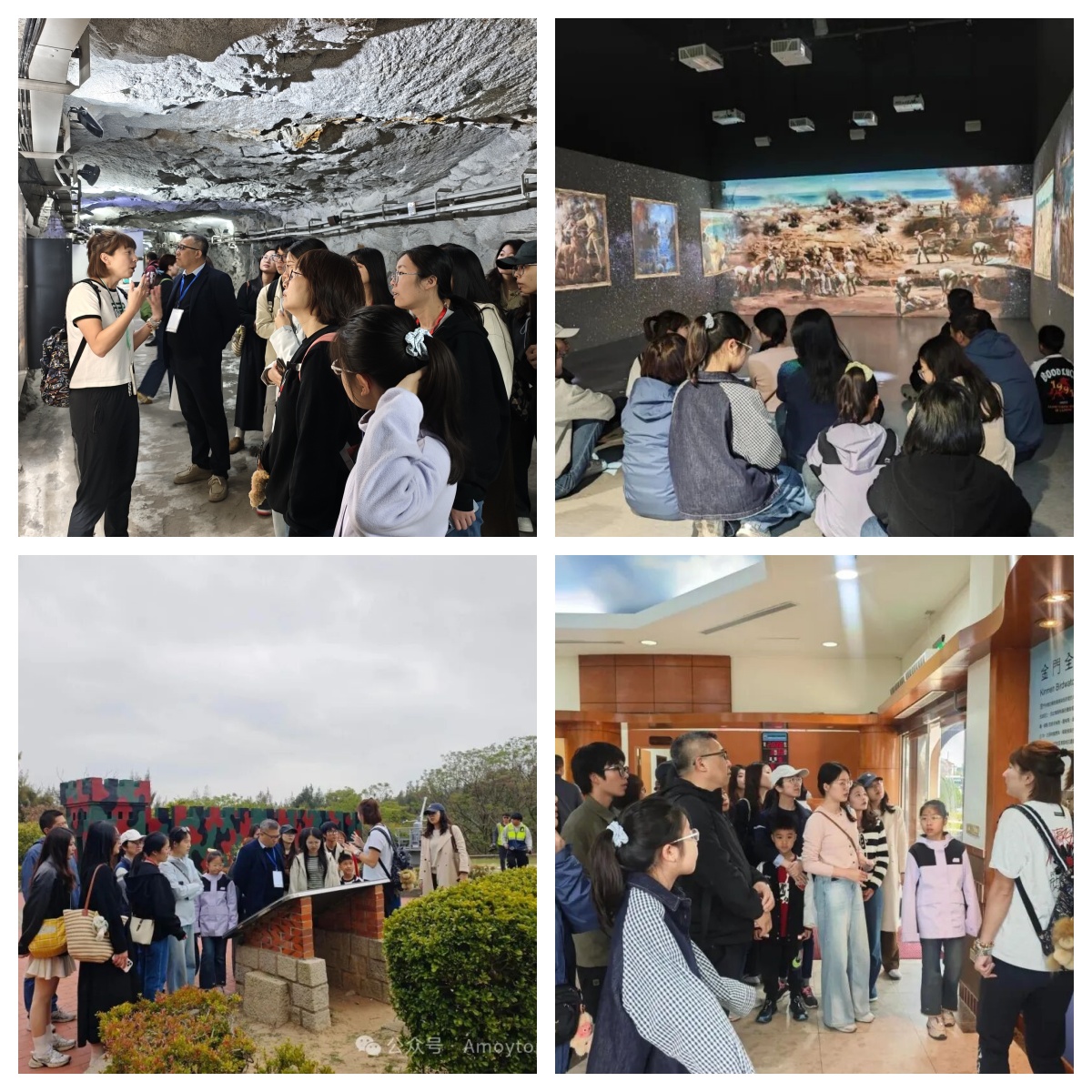
If Shuitou Village revealed Kinmen’s graceful, cultured face, Zhaishan Tunnel exposed its iron core. We entered through a low, shadowed doorway into sudden coolness and dampness. Carved painstakingly by hand through solid granite during the height of cross-strait tension, this engineering marvel once housed dozens of military landing craft, protected from aerial attack. Lights danced across the still, dark water that filled the tunnel floor; jagged rock walls rose sheer on either side. Footsteps echoed softly. No one spoke loudly. The atmosphere was one of profound reverence—for the skill of the builders, the courage of those who served here, and the heavy cost of the security we now enjoy so casually.
Emerging back into daylight, the sun felt warmer, the colors brighter. That contrast lingered in everyone’s mind long after we left: the stark reminder that peace is never accidental; it is earned, defended, and cherished.
Evening arrived with a feast that became the emotional centerpiece of the day. Tables groaned under platters of Kinmen’s legendary cuisine: steaming bowls of fragrant oyster congee, crispy-edged oyster omelets bursting with fresh briny flavor, springy handmade Kinmen noodles slick with rich broth, and—of course—shots of the island’s famous Kaoliang liquor, fiery yet smooth, warming from the inside out.
As glasses clinked and toasts rang out—“To Amoytop!” “To our future!” “To us!”—colleagues opened up in ways rarely seen in the office. The normally reserved R&D engineer shared childhood stories from his village; the usually serious sales director laughed until tears came recounting a disastrous client meeting; production-line veterans swapped tips and teased newer members good-naturedly. In that candlelit room, hierarchy vanished. There were no departments, no titles—only people who had chosen to walk the same path, laugh at the same jokes, and build something greater together.
Day Two: Lesser Kinmen and the Quiet Power of Simplicity
Sunrise on the second day was golden and gentle. We boarded a smaller ferry for Lesser Kinmen (Lieyu Township)—a quieter, more pastoral sibling to the main island. Here, tourist crowds disappeared entirely. We wandered narrow village lanes where time seemed to move more slowly: sun-bleached walls patched with history, sorghum fields rustling in the breeze like soft percussion, elderly residents nodding greetings from doorways.
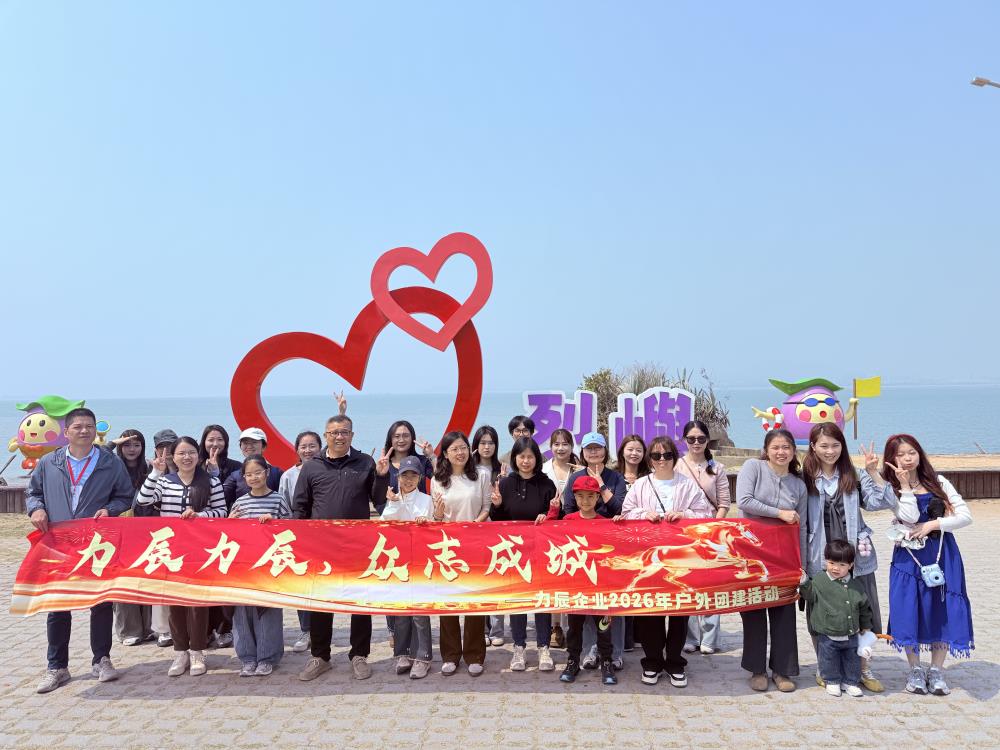
At Shaxi Fort, we stood on weathered battlements and looked back toward Xiamen. The two shores faced each other across a narrow ribbon of sea—close enough to see outlines of buildings, yet separated by decades of complex history. The view prompted quiet reflection: on separation and connection, on past tensions and present possibilities, on how proximity can sometimes make understanding more difficult, yet also more urgent.
The rest of the morning and early afternoon became a joyful montage of photo stops at historic sites large and small. Team members struck goofy victory poses, linked arms in group hugs, leaped into silly jumps for the camera. Every frame captured radiant smiles, wind-tousled hair, and the unmistakable glow of people enjoying one another’s company without agenda or deadline. One colleague joked, “These photos aren’t just memories—they’re evidence we survived two days without PowerPoint!”
Before departure came the inevitable souvenir rush. Shops overflowed with treasures: golden peanut candy that crunched sweetly, chewy beef jerky rich with five-spice, bundles of sun-dried noodles, elegant bottles of Kaoliang liquor wrapped in red, small packets of traditional herbal yitiao gen said to bring good health. Each purchase was chosen thoughtfully—gifts for parents, spouses, children, friends—small ways to carry Kinmen’s warmth back home.
Homeward Bound: Carrying More Than Souvenirs
The return ferry ride was quieter, reflective. Kinmen slowly faded into blue distance. Bodies were pleasantly tired, yet spirits soared. Phones passed around showing favorite photos; stories from the previous night’s banquet were retold with fresh laughter; a few voices already floated ideas for the next team event.
We returned carrying far more than peanut candy and liquor bottles. We brought broadened perspectives from high towers and deep tunnels, renewed appreciation for history’s lessons, stronger interpersonal bonds forged in shared meals and shared silences, and a clearer sense of collective purpose.
Epilogue: The Promise Sealed Between Mountains and Seas
In two short days, we climbed toward new viewpoints, walked ancient lanes to touch living heritage, traversed engineering marvels born of necessity, raised glasses in unguarded celebration, and stood together on quiet forts looking toward tomorrow.
The paths we traveled, the vistas we absorbed, the laughter we shared, the moments of quiet awe—these are now indelible threads woven into the fabric of every Amoytop member.
We returned recharged, reconnected, and recommitted. The sea breeze of Kinmen still lingers in our lungs; its sunshine still warms our resolve. Whatever challenges await—market shifts, production hurdles, ambitious goals—we face them not as isolated individuals, but as a team whose strength has been tested, tempered, and proven on an island between mountains and seas.
A promise was made there, unspoken yet deeply felt.
The future is wide open, bright, and full of possibility.
Amoytop Foods—together, we move forward, stronger than ever.