

As global demand for shelf-stable vegetables continues to grow, canned mushrooms remain one of the most important products for foodservice distributors, supermarkets, private label brands, and food manufacturers. Their long shelf life, consistent quality, and convenience make them an essential ingredient for pizza, pasta, soups, sauces, ready meals, and retail canned vegetable lines.
For importers planning procurement in 2026, understanding where canned mushrooms are produced, what specifications are available, how the current production season is developing, and how to evaluate manufacturing partners can significantly reduce sourcing risks and improve purchasing decisions.
This guide provides a practical overview of the 2026 canned mushroom sourcing landscape from the perspective of international buyers.
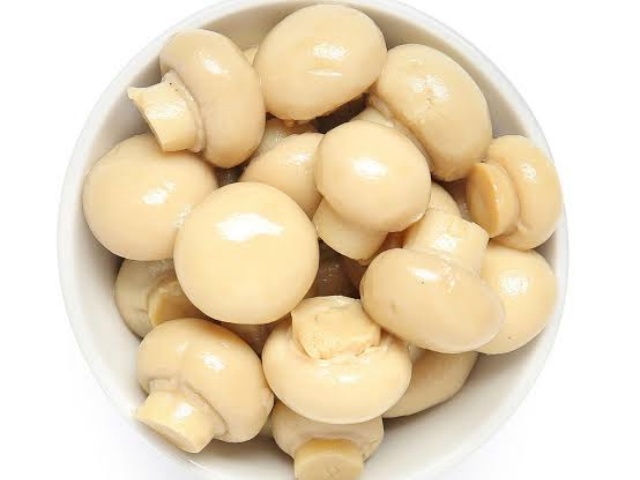
Why Canned Mushrooms Continue to Grow in Popularity
Despite increasing interest in fresh produce, canned mushrooms continue to occupy an important position in global food supply chains.
Several factors drive this demand:
· Stable year-round availability
· Long shelf life (typically 36 months)
· Reduced transportation losses
· Consistent size and appearance
· Ready-to-use convenience
· Competitive pricing compared with fresh mushrooms in many markets
Foodservice operators especially appreciate canned mushrooms because they eliminate washing, trimming, and slicing, reducing labor costs while maintaining reliable quality.
The global canned mushroom market continues to expand steadily, supported by demand from both retail and restaurant sectors, with Asia-Pacific—particularly China—remaining the dominant production base.
Major Global Production Regions
Although mushrooms are cultivated worldwide, commercial canned mushroom exports are concentrated in only a handful of countries.
China
China remains the world's largest producer and exporter of canned mushrooms.
Major production clusters include:
· Fujian Province
· Zhejiang Province
· Henan Province
· Jiangsu Province
· Shandong Province
Advantages include:
· Large cultivation capacity
· Mature canning industry
· Complete supply chain
· Competitive labor costs
· Strong export experience
· Flexible OEM production
Chinese manufacturers export to:
· Europe
· North America
· Middle East
· Southeast Asia
· Africa
· Latin America
Many factories operate under internationally recognized food safety systems such as HACCP, BRCGS, ISO 22000, HALAL, and Kosher certifications.
Netherlands
The Netherlands has long been recognized for high-quality mushroom cultivation.
Dutch canned mushrooms are often positioned toward premium European retail markets, although production costs are generally higher than Asian suppliers.
Poland
Poland is another important European producer, supplying many EU retailers.
Polish processors emphasize:
· EU compliance
· Traceability
· Local sourcing
· Premium white button mushrooms
Spain
Spain produces both fresh and canned mushrooms, serving Southern Europe and nearby export markets.
India
India continues expanding mushroom cultivation, particularly button mushrooms.
While exports remain smaller than China's, Indian production capacity has gradually increased for selected international markets.
Main Mushroom Varieties Used for Canning
Different export markets have varying preferences.
Button Mushrooms (Agaricus bisporus)
This is by far the most widely traded canned mushroom.
Characteristics:
· Mild flavor
· White to cream color
· Firm texture
· Excellent processing stability
Applications include:
· Pizza
· Pasta
· Salads
· Soups
· Frozen meals
· Ready meals
Shiitake Mushrooms
Shiitake offers:
· Rich umami flavor
· Darker color
· Meaty texture
Demand has increased as consumers seek premium mushroom products and plant-based menu options. Market forecasts indicate shiitake is among the faster-growing canned mushroom segments.
Oyster Mushrooms
Less common in canned form but increasingly popular for:
· Asian cuisine
· Ready meals
· Specialty retail products
Common Product Specifications
International buyers can source canned mushrooms in many different forms.
Whole Mushrooms
Suitable for:
· Premium retail
· Gourmet products
· Pizza topping manufacturers
Typical sizes:
· Small
· Medium
· Large
Button Mushrooms
Uniform button appearance with unopened caps.
Often requested by premium foodservice buyers.
Sliced Mushrooms
One of the most popular export specifications.
Advantages:
· Ready to use
· Consistent thickness
· Lower processing cost
· Reduced labor
Typical slice thickness:
4–6 mm
Pieces & Stems
An economical option widely used in:
· Soups
· Sauces
· Frozen foods
· Processed foods
Mushroom Stems
Frequently supplied for industrial processing where appearance is less critical.
Packaging Options
Manufacturers typically offer:
Retail Sizes
· 184 g
· 198 g
· 284 g
· 400 g
· 425 g
Foodservice Sizes
· 800 g
· 850 g
Industrial Sizes
· 2500 g
· 2840 g
· 3000 g
· A9 cans
· A10 cans
Packaging options include:
· Easy-open lids
· Standard lids
· Private label printing
· Neutral labels
· Lithographic cans
· Paper labels
Brine Specifications
Most canned mushrooms are packed in lightly salted brine.
Typical ingredients:
· Water
· Salt
· Citric acid
· Ascorbic acid (optional)
Some buyers require:
· Low sodium
· Organic formulations
· Preservative-free recipes
Manufacturers usually customize formulations according to destination market regulations.
2026 Production Season Outlook
The 2026 sourcing season appears generally stable, with China's processing industry maintaining strong production capacity and continuing to serve as the leading supplier to global markets. Industry forecasts suggest steady market growth, supported by retail demand and expanding foodservice consumption.
Several trends are shaping procurement this year:
Continued demand for private label
Retailers increasingly seek customized labels and packaging.
Foodservice recovery
Hotels, restaurants, and catering businesses continue driving demand for larger industrial can sizes.
Rising certification requirements
Importers increasingly request:
· BRCGS
· HACCP
· ISO systems
· Social compliance audits
· Sustainable sourcing documentation
Greater emphasis on traceability
More buyers expect suppliers to provide:
· Farm records
· Batch traceability
· Metal detection records
· Sterilization logs
· Laboratory testing reports
What Buyers Should Verify Before Ordering
Price should never be the only consideration.
Professional buyers normally evaluate suppliers using several criteria.
1. Raw Material Supply
Ask whether the manufacturer operates:
· Contract farms
· Long-term grower partnerships
· Integrated cultivation
Reliable raw material sourcing helps maintain consistent quality throughout the season.
2. Processing Capacity
Important questions include:
· Annual production volume
· Daily canning capacity
· Number of production lines
· Cold storage capacity
Higher capacity generally provides more stable delivery schedules during peak season.
3. Food Safety System
Verify certifications such as:
· HACCP
· BRCGS
· ISO 22000
· FDA registration (for the U.S. market, where applicable)
· HALAL
· Kosher
Also request recent audit reports if available.
4. Laboratory Testing
Reliable factories usually perform routine checks for:
· Vacuum integrity
· Net weight
· Drained weight
· Salt concentration
· Microbiology
· Commercial sterility
· Can seam integrity
5. Export Experience
Experienced exporters understand:
· Destination regulations
· Shipping documentation
· Customs requirements
· Label compliance
· Import inspections
This reduces the risk of shipment delays.
6. OEM and Private Label Capability
Many importers prefer suppliers that can provide:
· Label design support
· Customized cartons
· Barcode printing
· Multi-language labels
· Promotional packaging
Flexible OEM capability allows buyers to build their own brands without investing in manufacturing facilities.
Questions Worth Asking Your Supplier
Before confirming an order, consider asking:
· Which mushroom varieties are currently available?
· Can you supply consistent quality year-round?
· What grading standards do you use?
· Can you customize drained weight?
· What certifications do you hold?
· Do you offer private label production?
· What is your minimum order quantity?
· How do you ensure commercial sterility?
· Can you provide recent inspection reports?
· What is your typical production lead time?
A professional supplier should answer these questions clearly and provide supporting documentation when requested.
Future Trends in Canned Mushroom Sourcing
Looking ahead, buyers can expect several long-term developments:
· Increased automation in mushroom processing
· Greater demand for sustainable packaging
· More premium mushroom varieties
· Expansion of low-sodium product lines
· Growth in ready-to-eat meal applications
· Stronger digital traceability systems
· Continued expansion of private label manufacturing
As consumers continue seeking convenient, nutritious, and shelf-stable foods, canned mushrooms are expected to remain an important category for retailers and foodservice operators worldwide. Market forecasts point to continued moderate growth through the coming years.
Conclusion
For international importers, successful canned mushroom sourcing in 2026 requires more than comparing prices. Understanding production regions, selecting the right product specifications, monitoring seasonal supply conditions, and partnering with an experienced manufacturer are all essential to building a reliable supply chain.
China remains the leading global sourcing destination thanks to its mature cultivation base, advanced processing facilities, and strong export capabilities. By working with manufacturers that offer robust quality control, internationally recognized certifications, flexible packaging options, and responsive OEM services, buyers can secure consistent products that meet the requirements of retail, foodservice, and industrial markets.
Choosing a supplier with proven production expertise and a commitment to food safety can help ensure long-term success in an increasingly competitive global canned mushroom market.