

Today marks Great Cold (Da Han), the final and coldest of China’s 24 Solar Terms. As winter reaches its deepest point, Great Cold is not merely a symbol of freezing temperatures and icy winds—it is also a moment of quiet accumulation, reflection, and preparation for rebirth. Rooted in thousands of years of agricultural wisdom, this solar term represents resilience, nourishment, and the enduring rhythm between humanity and nature.
At our company, we believe that understanding traditional culture is essential to appreciating food, seasons, and sustainable living. Great Cold reminds us that even in the harshest conditions, life is gathering strength beneath the surface, waiting for the warmth of spring.
1. What Is Great Cold (Da Han)?
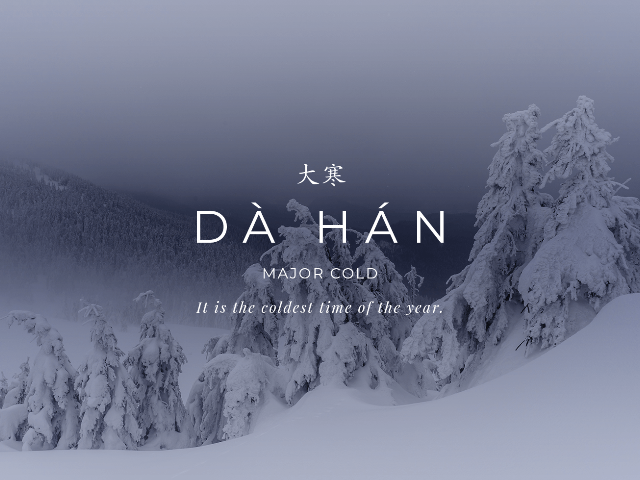
Great Cold, known in Chinese as 大寒 (Da Han), usually falls between January 20 and January 21, depending on the solar calendar. It is the last solar term of the 24-term system, which was established during ancient China to guide agricultural activities, seasonal eating habits, and daily life.
The name “Great Cold” directly reflects the climate during this period. Historically, this is when temperatures drop to their lowest point of the year in many parts of China. Rivers freeze, snow blankets the land, and icy winds sweep across fields and villages.
Yet, paradoxically, Great Cold is also a turning point. As the final solar term, it quietly signals that winter is nearing its end and that spring is already on its way—even if it cannot yet be felt.
2. The Origins and Agricultural Wisdom Behind Great Cold
The 24 Solar Terms were developed through careful observation of the sun’s movement and seasonal changes. For ancient farmers, Great Cold was not simply about enduring cold—it was about preparing for the future.
During this period:
Fields rested under frost and snow
Seeds were stored and protected
Tools were repaired
Food supplies were carefully preserved
This was a time to conserve energy, both for people and for the land.
In traditional agricultural philosophy, winter is associated with storage. The extreme cold of Great Cold helps kill pests and protect soil fertility, ensuring healthier crops in the coming year. What appears harsh on the surface is, in fact, essential for balance and renewal.
3. Climate Characteristics of Great Cold
Great Cold is characterized by:
The lowest average temperatures of the year
Frequent cold waves and snowfall
Frozen rivers, lakes, and soil
Dry air in northern regions and cold humidity in the south
In northern China, Great Cold often brings heavy snow and biting winds. In southern regions, while snow may be rare, prolonged cold and damp conditions make the chill feel just as penetrating.
These climatic extremes influenced how people built homes, dressed, ate, and stored food—many of which continue to shape traditional practices today.
4. Traditional Customs and Folk Activities
Sweeping and Cleaning for the New Year
Great Cold often coincides with preparations for the Spring Festival (Chinese New Year). One common tradition is thorough house cleaning, symbolizing the removal of bad luck and the welcoming of fresh fortune.
This practice reflects the deeper meaning of Great Cold: clearing away the old to make room for the new.
Making Preserved Foods
Because fresh vegetables were historically scarce during winter, families relied on preserved foods prepared earlier in the season. These included:
Pickled vegetables
Salted meats
Dried fruits and grains
Canned and bottled foods in modern times
Preservation was not only practical—it was an art passed down through generations.
Celebrating Endurance
In some regions, people held small gatherings, shared warming meals, and told stories around the fire. These moments strengthened family bonds and community ties during the coldest days of the year.
5. Seasonal Food Culture During Great Cold
Nourishing the Body Against the Cold
Traditional Chinese dietary wisdom emphasizes warming and nourishing foods during Great Cold. The goal is to strengthen the body, boost immunity, and preserve internal energy.
Common ingredients include:
Root vegetables
Beans and legumes
Mushrooms
Dried and preserved fruits
Grains and seeds
Warm soups, stews, and slow-cooked dishes dominate the table.
The Role of Preserved and Canned Foods
In ancient times, preservation was achieved through drying, salting, and fermenting. Today, modern food preservation methods, including canning, allow families and businesses to enjoy seasonal ingredients year-round while maintaining safety, nutrition, and flavor.
Canned vegetables, beans, mushrooms, and fruits offer:
Long shelf life
Consistent quality
Convenience during cold months
Reduced food waste
Great Cold reminds us why preservation has always been an essential part of human survival and progress.
6. Great Cold and Health: Traditional Perspectives
According to traditional Chinese health philosophy, winter corresponds to the Kidney system, which governs vitality and long-term health.
During Great Cold, people are encouraged to:
Keep warm, especially the head, feet, and lower back
Avoid excessive cold exposure
Eat warming, nutrient-dense foods
Rest adequately and conserve energy
Rather than intense activity, this is a season for gentle movement, reflection, and restoration.
7. Symbolism and Cultural Meaning of Great Cold
Beyond climate and food, Great Cold carries deep symbolic meaning.
Endurance and Strength
Surviving the coldest days requires patience and resilience. Great Cold teaches us that strength is often quiet and unseen, building slowly over time.
Stillness Before Growth
Nature appears dormant during Great Cold, yet beneath the frozen soil, life is preparing to awaken. This mirrors human experience: periods of difficulty often precede transformation.
Completion and Renewal
As the final solar term, Great Cold represents completion. It closes one natural cycle and prepares the way for the next. In this sense, it is both an ending and a beginning.
8. Great Cold in the Modern World
In today’s fast-paced society, seasonal awareness is often overlooked. However, the principles behind Great Cold remain highly relevant.
Modern life can benefit from:
Slowing down during winter
Eating seasonally and mindfully
Reducing waste through smart storage and preservation
Respecting natural rhythms
Businesses involved in food production and distribution play a key role in bridging tradition and innovation—bringing safe, nutritious, and sustainable food to tables worldwide, even during the coldest months.
9. Sustainability Lessons from Great Cold
Great Cold emphasizes respect for resources. In the past, wasting food in winter could mean hunger later. Today, sustainability remains just as critical.
Key lessons include:
Valuing long-lasting, preserved foods
Planning consumption wisely
Reducing seasonal shortages through responsible production
Supporting food systems that balance efficiency and environmental care
By honoring these principles, we align modern practices with ancient wisdom.
10. A Season of Reflection for Businesses and Families
For companies, Great Cold is an ideal time to:
Review the past year
Strengthen foundations
Prepare for future growth
Reinforce commitments to quality and reliability
For families, it is a moment to gather, share warmth, and look forward to the coming spring with hope.
11. Looking Ahead: From Great Cold to Spring
Though Great Cold is the coldest solar term, it also quietly carries the promise of warmth. After this point, days gradually grow longer, sunlight increases, and nature begins its slow transition toward renewal.
This balance—between endurance and hope—is at the heart of traditional seasonal wisdom.
Conclusion: Honoring Great Cold, Embracing the Future
Great Cold is more than a marker on the calendar. It is a reminder that every season has value, even the harshest ones. In stillness, strength is built. In cold, life is preserved. In endings, new beginnings are prepared.
As we observe Great Cold today, we honor the wisdom passed down through generations and reaffirm our respect for nature, food, and sustainable living. By embracing both tradition and innovation, we continue the journey from winter’s depth toward the vitality of spring.
May this Great Cold bring reflection, nourishment, and quiet confidence—until warmer days arrive once again.