

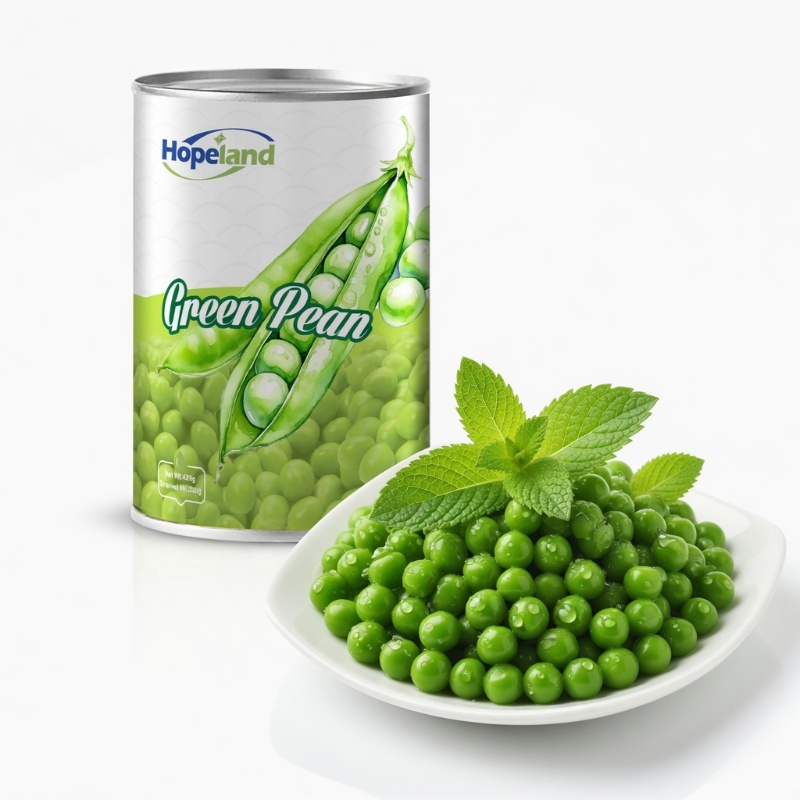
Canned green peas in brine water are one of those quiet workhorses in the food industry. They sit on shelves for years, open in seconds, and show up in family dinners, restaurant sides, ready-meal lines, and private-label programs across the globe. For many buyers, they’re simply “canned peas.” But here’s the thing — once you start digging into variety selection, harvest timing, brine balance, and processing parameters, you realize why some tins deliver bright color, tender bite, and clean taste while others come out mushy, faded, or overly salty.
I’ve spent years walking factory floors, reviewing supplier specs, and troubleshooting complaints from importers and foodservice operators. The difference isn’t marketing copy. It’s in the details most people overlook until the product is already on the water or, worse, on the retail shelf.
Why Canned Green Peas in Brine Still Make Sense in 2026
Let’s be honest. Fresh peas are wonderful when they’re in season and locally available. Frozen peas keep texture well for many uses. Yet canned green peas in brine water solve real problems: year-round consistent supply, zero preparation time, long shelf life without refrigeration, and solid nutrition retention.
Green peas (Pisum sativum) naturally offer plant protein (around 5-7g per 100g drained), dietary fiber, vitamins K, C, and B-group folate, plus minerals like manganese and iron. The canning process captures these at peak harvest. While some heat-sensitive nutrients dip slightly, the overall profile remains strong, and the convenience factor wins for busy kitchens and industrial formulation.
In real projects I’ve seen, apartment catering services, school meal programs, and ready-to-eat manufacturers rely on them because they deliver predictable yield and color in mixed vegetable packs. A good tin of peas in brine won’t dominate a dish but adds visual pop, mild sweetness, and body.
From Field to Can: What Actually Happens (Factory Perspective)
Understanding the process helps you ask smarter questions when sourcing.
It usually starts with careful variety selection. Processors prefer wrinkle-seeded or smooth varieties bred for canning — they hold shape better and develop balanced sweetness. Harvest happens at the “green mature” stage: tender, sweet, but not starchy. Timing is critical. Pick too late and you get peas that turn mealy after retorting. Pick too early and they lack flavor and can discolor.
Once harvested, peas move fast — ideally within hours — to vining stations or podders, then cleaning, sorting, and blanching. Blanching deactivates enzymes and softens skins gently. Over-blanch and texture suffers; under-blanch and you risk off-flavors during storage.
Next comes filling. Cans receive measured peas plus hot brine (typically water + salt, sometimes a touch of sugar for balance). Brine strength matters: too weak and preservation fails; too strong and the product tastes harsh unless rinsed. Headspace is controlled precisely, lids seamed on, then the critical retort step — high-temperature pressure processing that achieves commercial sterility.
Experienced factories like those partnered with Amoytop Foods emphasize gentle handling, consistent fill weights, and precise thermal processing. This is where many smaller suppliers cut corners, leading to the classic buyer complaints: broken peas at the bottom, faded color, or cans that swell after months.
Typical commercial specs you’ll encounter:
· Can sizes: 400g / 425g (retail favorite), 800g, 2.5kg–3kg (foodservice), A10 bulk.
· Drained weight: Often 230–280g for a 400g tin, depending on grade.
· Brine: Light salt solution, pH and salt content tightly controlled.
· Shelf life: 24–36 months in cool, dry storage.
· Certifications: HACCP, ISO, BRC, FDA, HALAL, Kosher — essential for export markets.
These numbers directly hit your cost-per-serving math and recipe scaling.
What Many Buyers Overlook — And Where Things Go Wrong
Honestly, this is where many buyers get confused. Two spec sheets can look almost identical, yet one supplier’s peas stay vibrant after reheating while another turns army-green and mushy.
Common pitfalls I’ve seen in projects:
· Inconsistent raw material maturity across batches.
· Aggressive retort cycles that overcook the peas to guarantee safety but destroy texture.
· Poor seam quality or inadequate cooling after retorting, leading to stack burn or corrosion.
· Brine that’s not properly balanced, causing floating or sediment issues.
One European importer I worked with switched suppliers after repeated complaints about “mushy peas” in their private-label mixed veg. The root cause? The new factory was using field-run peas instead of canning-specific varieties and rushing the cool-down phase. Switching back to a supplier with tighter harvest windows and better equipment fixed it within one container.
Here’s another real scenario: a quick-service restaurant chain using peas in pot pies. The cheaper option looked fine in the can but released excess starch when baked, thickening the sauce unexpectedly and changing mouthfeel. Small details in pea solids content and blanch time made the difference.
Practical Uses Across Different Channels
Retail & Home Kitchens Drain and rinse to reduce sodium, then warm gently with butter, a pinch of sugar, fresh mint, or crispy bacon bits. They shine in shepherd’s pie, fried rice, pasta primavera, or simple salads. Many home cooks overlook a quick sauté after draining — it drives off any residual canned note and brightens color.
Foodservice & Catering Larger tins reduce labor and waste. Use in bulk soups, curries, stews, or as a vibrant side. Chefs often blend them into purees for color or add at the last minute to preserve texture.
Industrial & Private Label Ready-meal producers value consistent drained weight for filling accuracy. In frozen vegetable blends, they provide contrast. For baby food or senior nutrition lines, low-sodium brine versions work well.
Export Markets Middle East, Africa, Europe, and Latin America all have steady demand. Buyers there often request specific drained weights and easy-open lids for smaller cans.
Packaging, OEM/ODM, and Supply Chain Realities
Factories with strong OEM/ODM capabilities — such as Amoytop Foods, who have been exporting canned vegetables and fruits since 2009 — offer real flexibility. You can choose normal or easy-open ends, lithographed or plain cans with private labels, custom brine formulations (salt levels, sugar balance), and mixed containers.
Typical MOQ for private label often starts at one 20ft container, sometimes allowing 2–3 SKUs mixed. Lead time runs 20–35 days after label approval, depending on season and can availability. Good partners provide production photos, real-time updates, lab test reports, and full traceability.
This matters because your brand story depends on it. Customers increasingly want to know the product came from responsible sources with clean processing. Transparent suppliers share factory audit results and raw material origins without hesitation.
From a packaging engineering view, can integrity is non-negotiable. Look for suppliers using high-quality tinplate, proper lacquer inside, and rigorous double-seam inspection. I’ve seen containers rejected at port because of minor denting or labeling issues that could have been prevented with better palletizing and stretch-wrapping.
Nutritional Deep Dive and Health Considerations
Canned green peas in brine deliver solid nutrition. A typical serving provides fiber for digestion, plant protein for satiety, and antioxidants. The brine itself is mostly water and salt — rinsing cuts sodium significantly for those watching intake.
Compared to fresh, some vitamin C decreases, but minerals and fiber hold up well. Many dietitians actually recommend canned and frozen vegetables because people eat more of them than the fresh ones that wilt in the fridge.
Potential downsides? Added sodium in standard brine and slightly softer texture. For most applications, these are manageable. Low-sodium or no-salt-added versions exist for sensitive markets.
Buying Tips from Someone Who’s Reviewed Dozens of Lines
1. Always request recent production samples — not just sales samples.
2. Check drained weight ratio, not just net weight.
3. Ask for color and texture specs after standardized heating.
4. Verify certifications match your target markets.
5. Discuss harvest season and variety — this predicts consistency.
6. For large programs, consider dual sourcing to mitigate weather or logistics risks.
What many overlook is the importance of supplier stability. A factory with its own farms or long-term grower contracts handles volume swings better than one buying on spot markets.
Frequently Asked Questions
Are canned green peas in brine healthy? Yes. They retain good protein, fiber, and micronutrients. Rinsing lowers sodium. They’re a convenient way to add vegetables to meals without daily prep.
How can I improve the taste of canned peas? Drain and rinse thoroughly. Sauté in butter or olive oil with garlic, shallots, or herbs. A tiny pinch of sugar or fresh mint brightens natural sweetness. Don’t boil them hard.
What’s the difference between canned, frozen, and fresh peas? Canned are fully cooked and shelf-stable with softer texture. Frozen keep more “pop” but need cooking. Fresh offer the brightest flavor in season but have short shelf life and more prep.
Can I use them in cold preparations? Absolutely. Rinse well until cool, then add to potato salad, pasta salad, tuna salad, or grain bowls. They hold up without wilting.
Which can size suits my business? 400g/425g for retail families. 800g+ for restaurants and catering. Bulk A10 for further processors. Calculate based on portion cost and handling.
Do they need cooking? No — they’re ready to eat. Most people prefer warming for flavor and peace of mind.
How long do opened canned peas last? Refrigerate in a sealed non-metal container and use within 3–4 days. Don’t store in the opened can.
Are they suitable for export and private label? Yes, when produced under recognized standards with proper documentation. Reliable partners like Amoytop handle labeling, certificates of origin, and shipping requirements smoothly.
What should I watch for in quality inspections? Look for uniform color, minimal broken peas, clean brine without cloudiness, and intact peas that hold shape after gentle heating.
Final Thoughts
Canned green peas in brine water aren’t glamorous, but they’re incredibly reliable when chosen and handled right. From busy home cooks needing a fast side dish to international distributors building private-label programs, the category rewards buyers who pay attention to the fundamentals: right variety, timely harvest, careful processing, and transparent supply partners.
Factories with deep experience in canned vegetables — controlling everything from seed to seam — consistently deliver the performance that turns one-time orders into multi-year relationships. Focus on drained weight, post-heating texture, color retention, and real factory capabilities rather than just the lowest price.
If you’re evaluating suppliers for your next container or developing a house-brand line, request samples, review processing parameters, and talk directly about your end-use. The best outcomes come when both sides understand the real-world requirements beyond the spec sheet.
In a world of flashy superfoods and constant innovation, there’s still tremendous value in doing the everyday staples exceptionally well. Quality canned green peas in brine quietly support thousands of successful menus and product lines every single day — and they’ll continue to do so for years to come.
Ready to source or optimize your current program? Experienced producers with full OEM/ODM support and strong quality systems can tailor solutions to your exact market, volume, and branding needs. The difference shows up on the plate — and in the reorder numbers.