

Introduction
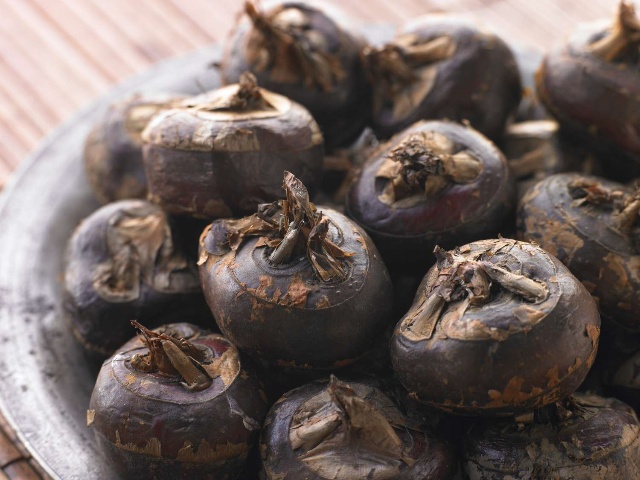
Farmers and processors in China's water chestnut fields face escalating raw material costs that reshape the global canned food sector. As operators at Amoy Top Foods in Xiamen since 2009, we source premium water chestnuts (Eleocharis dulcis) from key regions like Guangxi, Guangdong, and Hebei. These aquatic corms deliver signature crunch and subtle sweetness, making them essential for canned products under brands like HOPELAND and FRESHSIMLE.
Raw material prices for fresh water chestnuts—known as "mati" or "biqi" in Chinese—have surged steadily through 2025. Reports show regional spikes, such as an 18% increase over eight weeks in Lechang, Guangdong, with national peaks reaching 6-7 RMB per kg in premium areas. This trend stems from supply constraints, rising demand, and external pressures, pushing costs higher for processors like us.
We draw on 15+ years of expertise sourcing from southern and northern farms to explain these shifts. This article explores current trends, root causes, industry effects, and outlook for canned water chestnuts. Stakeholders gain insights into navigating volatility while preserving quality and affordability.
Current Price Trends in 2025
Water chestnut raw material prices climb sharply in 2025, continuing 2024 momentum. Monitoring from sources like Chinabgao and local mandi reports reveals wholesale prices ranging 0.80-7.00 RMB per kg by late 2024-early 2025, varying by region and quality.
Guangxi, accounting for about 50% of China's planting area, drives much volatility—prices fluctuate from lows around 0.90 RMB/kg in some districts to highs over 5 RMB/kg for premium "mao mati." Guangdong's Lechang saw notable jumps, with eight-week rises up to 18%. National averages hover 4-6 RMB/kg for top-grade fresh corms suitable for canning.
Canned processors feel direct impacts: Higher fresh input costs raise production expenses. Our teams note 10-20% year-over-year increases in farmgate prices, echoing global agri-commodity pressures. Demand for processed forms like powder (projected CAGR 5-6%) amplifies fresh raw material strain.
As a consumer, you might ask: "Will these rises make canned water chestnuts more expensive?" Yes, modestly—but established exporters like Amoy Top Foods absorb portions through efficient scaling and long-term contracts to maintain competitive pricing.
Key Factors Driving the Price Increase
Multiple interconnected factors fuel the upward trajectory of water chestnut raw materials.
Climate Challenges and Yield Variability
Unpredictable weather disrupts cultivation. Water chestnuts thrive in flooded paddies, but excessive rainfall causes rot, while droughts reduce yields. Climate change exacerbates extremes, mirroring impacts on other crops.
In major zones like Guangxi and Guangdong, erratic patterns in 2024-2025 seasons led to reduced harvests. Reports highlight pest infestations worsened by warmer conditions, further cutting output.
Labor Shortages and Rising Input Costs
Harvesting remains labor-intensive—manual digging in muddy fields. Rural-urban migration and aging workforces create shortages, pushing wages higher. Fertilizers, pesticides, and energy for irrigation also rise amid global commodity inflation.
These elevate production costs, which farmers pass on. Our sourcing teams observe 15-25% input hikes affecting smallholders most.
Surging Domestic and Export Demand
China's growing middle class boosts internal consumption of fresh and processed water chestnuts in stir-fries, snacks, and health foods. Culinary trends and awareness of benefits (low-calorie, high-fiber) drive this.
Export demand for canned products grows steadily, with Asia-Pacific leading markets. Health-focused shifts in Europe and North America increase orders, tightening raw supply.
Consumer query: "Is demand outpacing supply?" Absolutely—domestic priorities reduce exportable surpluses, creating bottlenecks.
Logistical and Post-Harvest Issues
Transportation delays and higher fuel costs add premiums. Perishable fresh corms require quick processing to avoid spoilage, straining facilities during peaks.
Impacts on the Canned Water Chestnut Industry
Rising raw prices ripple through canning operations.
Processors face squeezed margins as fresh costs climb faster than end-product adjustments. At Amoy Top Foods, we mitigate via volume efficiencies and direct farm ties, but industry-wide pressures lead to selective price hikes on canned goods.
Supply chain disruptions cause occasional shortages of premium slices or wholes, affecting brands reliant on consistent quality. Smaller exporters struggle more than scaled players like us with diversified sourcing.
Global buyers see import costs rise, though canned stability (shelf-life advantages) buffers versus fresh volatility. Innovation in powder and value-added products opens higher-margin offsets.
From a buyer's perspective: "Will quality suffer?" No—reputable producers prioritize standards; rises encourage sustainable practices for long-term supply security.
Regional Insights and Production Dynamics
China dominates, with Guangxi's vast areas setting benchmarks. Provinces like Guangdong, Fujian, and Anhui contribute significantly, but localized weather hits create disparities.
Northern shifts experiment with adaptations, yet southern wetlands remain optimal. Total market scale approaches 50 billion RMB, reflecting processed growth.
Our Zhangzhou and Dangshan facilities process peak harvests, locking quality via advanced blanching and canning.
Future Outlook and Adaptation Strategies
Analysts project continued upward pressure into 2026, moderated by potential yield recoveries and tech investments (e.g., improved irrigation, pest-resistant varieties).
Sustainable farming and vertical integration offer relief. At Amoy Top Foods, we invest in farmer partnerships for stable supply and fair pricing.
Demand growth in health sectors promises opportunities—canned water chestnuts remain versatile staples.
Consumer angle: "Should I stock up?" Moderate purchases suffice; established suppliers ensure availability despite fluctuations.
Conclusion
Water chestnut raw material prices rise persistently in 2025 due to supply constraints, demand surges, and cost pressures—challenging yet underscoring this crop's value.
From our vantage at Amoy Top Foods, with over 15 years exporting premium canned products, we view this as a call for resilience and innovation. Higher costs reflect appreciation for nutritious, crunchy gems enhancing global cuisines.
Industry players adapt through efficiency, sustainability, and quality focus to stabilize markets. Consumers enjoy reliable access to these pantry essentials.
Ultimately, these dynamics reinforce water chestnuts' enduring appeal—driving mindful sourcing and consumption for a healthier future.