

Sardines and mackerel stand out as two of the most nutritious and convenient options among canned fish varieties. Both belong to the category of oily, cold-water fish, delivering substantial amounts of high-quality protein, heart-protective omega-3 fatty acids, and an array of essential vitamins and minerals. They frequently rank among the healthiest seafood choices due to their low mercury levels compared to larger predatory fish, their affordability, and their long shelf life without refrigeration. However, despite these shared strengths, sardines and mackerel differ noticeably in physical appearance, flavor profiles, texture, nutritional emphasis, and ideal culinary applications. Understanding these distinctions can help you decide which one better aligns with your dietary goals, taste preferences, and cooking style.
Physically, the two fish present clear contrasts. Mackerel typically features a streamlined, torpedo-shaped body designed for swift swimming through open ocean waters. A typical specimen weighs around one pound, making it noticeably larger than most sardines. Sardines, in comparison, have a more elongated and flattened body shape, with weights ranging from about four ounces up to one pound, though most canned versions fall on the smaller end of that spectrum. These size and shape differences influence not only how the fish are processed and packed but also aspects like bone structure and eating experience.
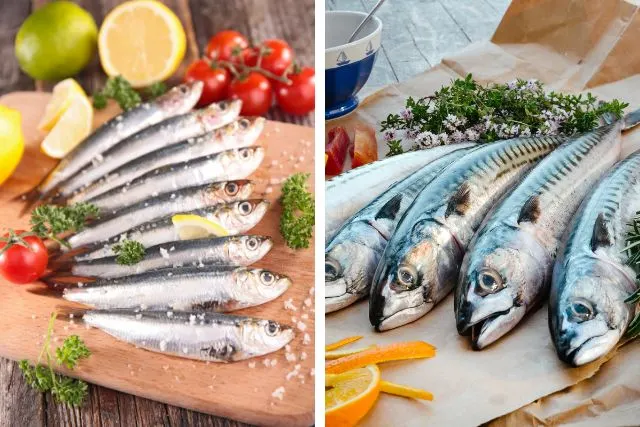
Nutritional Breakdown: A Side-by-Side Look
Both sardines and mackerel provide impressive nutritional value, but their profiles diverge in meaningful ways. The following comparisons draw from standard values for canned versions (typically in oil or water, drained where applicable), based on approximate per-100-gram servings. Note that exact numbers can vary slightly depending on preparation method, brand, and whether bones are included.
Calories — Mackerel tends to be more energy-dense, offering around 262 calories per 100 grams, compared to sardines' approximately 208 calories. The difference stems primarily from mackerel's higher fat content, which contributes more calories from healthy lipid sources.
Protein — Both fish excel as protein powerhouses. Sardines edge ahead slightly with about 24.6 grams per 100 grams, while mackerel provides roughly 23.8 grams. Either one delivers a substantial portion of your daily protein needs in a compact, low-carb package.
Fat Content — Here, mackerel pulls ahead significantly, containing around 17.8 grams of total fat per 100 grams versus sardines' 11.4 grams. Much of this fat consists of beneficial monounsaturated and polyunsaturated varieties, including substantial omega-3 fatty acids (EPA and DHA). Mackerel often contains higher levels of these anti-inflammatory omega-3s, making it particularly supportive for cardiovascular and brain health. Sardines still offer generous amounts, but their overall fat profile is leaner.
Carbohydrates, Sugars, and Fiber — Neither fish contains measurable carbohydrates, sugars, or dietary fiber in their plain form. This makes both excellent choices for low-carb, ketogenic, or diabetes-friendly eating patterns. However, always check labels on flavored or sauced varieties, as additions like tomato sauce can introduce small amounts of carbs.
Sodium — Sodium levels represent one of the most practical differences for everyday consumers. Canned sardines often exceed 300 mg of sodium per 100 grams due to processing and preservation methods. Mackerel, by contrast, typically contains far less—around 83 mg per 100 grams in many preparations—making it a better pick for individuals monitoring salt intake for blood pressure control or other health reasons.
Key Vitamins and Minerals — This category highlights some of the most striking contrasts:
· Calcium: Sardines dominate dramatically, providing roughly 26 times more calcium than mackerel. This advantage comes largely from the edible soft bones common in canned sardines, which contribute bioavailable calcium ideal for bone density, dental health, and muscle function.
· Magnesium: Mackerel reverses the trend, offering almost three times more magnesium. This mineral supports blood vessel relaxation, migraine prevention, energy production, and nerve signaling.
· Vitamin B12: Mackerel generally supplies about twice the amount found in sardines, aiding red blood cell formation, neurological function, and DNA synthesis.
· Iron and Zinc: Sardines tend to have higher levels of both, supporting oxygen transport, immune response, and wound healing.
· Potassium: Both are good sources, though mackerel often edges out with higher amounts in some comparisons, promoting fluid balance, muscle contractions, and blood pressure regulation.
· Niacin (Vitamin B3): Mackerel typically contains more, contributing to energy metabolism and skin health.
Both fish also deliver meaningful vitamin D (important for calcium absorption and immune support) and selenium (an antioxidant that protects cells and supports thyroid function).
Taste and Texture: Palate Preferences Matter
Flavor and mouthfeel often tip the scales when choosing between these two.
Sardines carry a more pronounced "fishy" character—intense, oily, and sometimes pungent—though this varies widely based on packing medium. Those canned in olive oil or tomato sauce tend to taste richer and less aggressively fishy, while water-packed versions can emphasize the natural brininess. The texture is soft, dense, and meaty, with delicate, edible bones that add a subtle crunch and significant calcium boost. Many people enjoy sardines straight from the can on crackers, mashed into spreads, or tossed into salads.
Mackerel offers a noticeably milder profile: less overtly fishy in aroma or aftertaste, with sweet, salty, and subtly rich notes. Its texture is firmer, smoother, and more buttery—often compared to high-quality canned tuna—making it appealing to those who find sardines too strong or oily. The larger flakes separate easily and hold up well in cooked dishes.
Culinary Versatility and Recipe Ideas
Both fish adapt to numerous preparations, but their characteristics guide ideal uses.
Sardines shine in quick, no-cook applications:
· Topped on toast or crackers with mustard, lemon, and herbs.
· Mixed into pasta salads or grain bowls.
· Grilled or sautéed briefly for a crisp exterior. Their small size and soft bones make them easy to incorporate whole.
Mackerel excels in recipes where texture and mildness stand out:
· Pan-fried with simple seasonings like black pepper and garlic.
· Grilled after marinating in citrus or soy-based sauces.
· Baked with vegetables and herbs for a complete sheet-pan meal.
· Stirred into soups, stews, or chowders for added richness.
Experimenting with both expands your options—sardines for bold, mineral-packed bites and mackerel for smoother, more approachable meals.
Health Benefits and Considerations
Both sardines and mackerel support heart health through abundant omega-3s that reduce inflammation, improve triglyceride levels, and promote arterial flexibility. Their high protein aids muscle maintenance and satiety, while vitamin D and minerals bolster immunity and bone strength.
Sardines' standout calcium makes them especially valuable for those avoiding dairy or at risk of osteoporosis. Their lower calorie density suits weight-management goals. Mackerel's higher magnesium, potassium, and B12 levels benefit nerve function, energy, and cardiovascular balance, with its lower sodium appealing to salt-sensitive individuals.
Potential downsides include fish allergies (both can trigger reactions ranging from hives to anaphylaxis—seek medical advice if concerned) and sodium in sardines for restricted diets. Mercury risk remains low for both due to their small size and short lifespan. Sustainability varies by fishery; opt for brands certified by organizations like MSC for responsibly sourced options.
Which One Wins?
Neither emerges as a universal "better" choice—both rank among the healthiest canned fish available. Sardines offer superior calcium, slightly more protein, fewer calories, and a distinctive bold flavor with soft texture. Mackerel counters with higher healthy fats and omega-3s, more magnesium and B vitamins, lower sodium, and a milder, firmer profile that's easier for many palates.
The best approach often involves including both in rotation. This maximizes nutrient variety—bone-building calcium from sardines alongside magnesium-rich support from mackerel—while keeping meals interesting. Whether prioritizing bone health, heart protection, low-sodium eating, or simply flavor preference, both deliver exceptional value in terms of nutrition, convenience, and cost-effectiveness.
Ultimately, personal taste and specific health needs guide the decision. Try a few cans of each, prepared in different ways, to discover your favorite. Incorporating either—or ideally both—regularly represents one of the simplest, most impactful steps toward a nutrient-dense diet.