

As a leading exporter of high-quality canned vegetables and fruits based in Xiamen, China, I'm passionate about helping consumers make informed choices about their food. Our brands, HOPELAND and FRESHSIMLE, focus on delivering fresh-tasting, nutrient-packed canned products sourced from the best regions in China. While we specialize in items like canned sweet corn, baby corn, and water chestnuts, the principles of quality preservation apply to all vegetables, including peas. In this article, we'll dive into the world of peas—comparing fresh, frozen, and canned varieties based on nutrition, taste, preparation, cost, and availability. By the end, you'll see why no single option is "best," but each has its place in a balanced diet. Let's explore!
The Nutritional Powerhouse: Why Peas Matter
Peas, also known as green peas, sweet peas, or garden peas, are a versatile legume packed with health benefits. A half-cup serving of cooked peas (about 80g) provides around 62 calories, 4g of protein, 11g of carbohydrates, 3.6g of fiber, and minimal fat (0.2g). They're an excellent source of vitamins like K (19.2mcg per serving), C, and A, plus minerals such as zinc and folate. Peas support digestive health, boost immunity, and even aid in blood sugar control due to their low glycemic index.
Whether fresh, frozen, or canned, peas retain most of these nutrients because they're harvested and processed quickly. However, processing methods can influence texture, flavor, and minor nutrient levels. According to dietitians, the differences are often minimal, and the "healthiest" choice depends on your lifestyle and preferences.
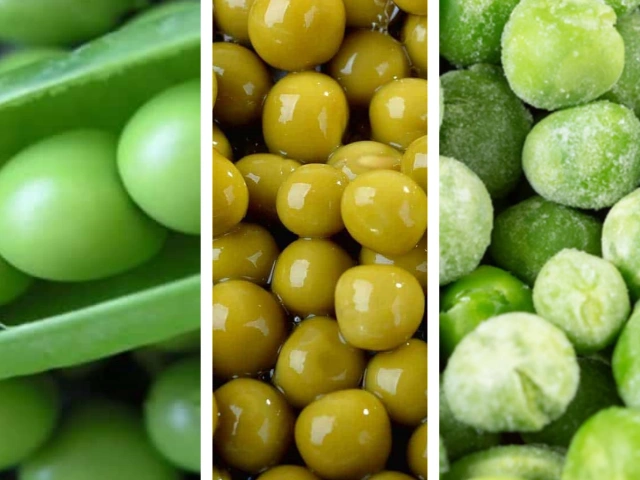
Fresh Peas: The Seasonal Delight
Fresh peas are the epitome of springtime freshness, straight from the pod. They're typically available from late spring to early summer, and sourcing them from local farmers' markets ensures peak ripeness.
Pros:
· Nutrition: Fresh peas boast the highest levels of heat-sensitive nutrients like vitamin C and folate, as they undergo no processing. Their natural enzymes remain intact, contributing to vibrant flavor.
· Taste and Texture: Sweet, crisp, and bursting with juice, fresh peas offer a superior eating experience when eaten raw or lightly cooked. They're ideal for salads, stir-fries, or snacking.
· Preparation: Shelling pods adds a fun, hands-on element, though it can be time-consuming.
Cons:
· Availability and Shelf Life: Fresh peas spoil quickly—sugars convert to starch within 24 hours of picking, making them grainy and less sweet. They're seasonal and often expensive outside peak times.
· Cost: Higher due to limited supply and labor-intensive harvesting.
· Convenience: Require immediate use or refrigeration, and podding can yield less edible product (only about 40% of the pod weight is peas).
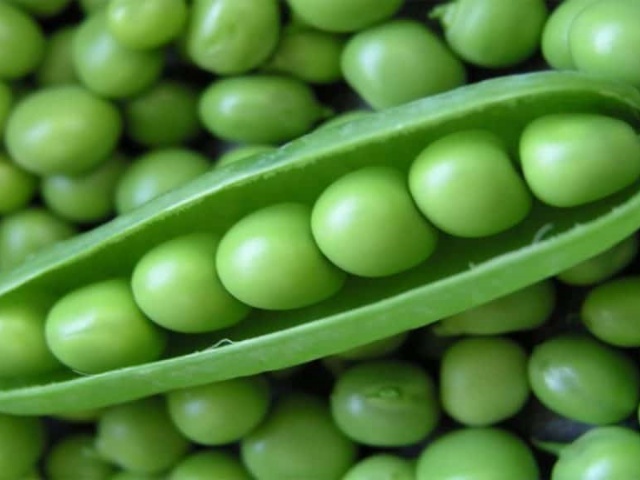
If you're a home gardener or near a farm, fresh peas are unbeatable for that just-picked taste. But for most of us, they're a rare treat.
Frozen Peas: The Convenient All-Rounder
Frozen peas dominate supermarket freezers for good reason—they're processed at the height of ripeness, locking in quality.
Pros:
· Nutrition: Freezing halts nutrient degradation, preserving vitamins and minerals almost as well as fresh. In fact, frozen peas often have more consistent nutrient profiles because they're flash-frozen within hours of harvest. They lose minimal water-soluble vitamins compared to canning.
· Taste and Texture: Sweeter and tenderer than many fresh options, with a firm bite. The freezing process prevents starchiness, making them taste "fresher" than aged fresh peas.
· Preparation: Quick and easy—steam, microwave, or boil in minutes. No shelling needed.
· Cost and Availability: Affordable year-round, with a long freezer life (up to 12 months). Great for bulk buying without waste.
Cons:
· Texture Issues: Can become mushy if overcooked.
· Additives: Some brands add salt or sauces; always check labels for plain varieties.
· Environmental Impact: Freezing requires energy, and packaging can add plastic waste.
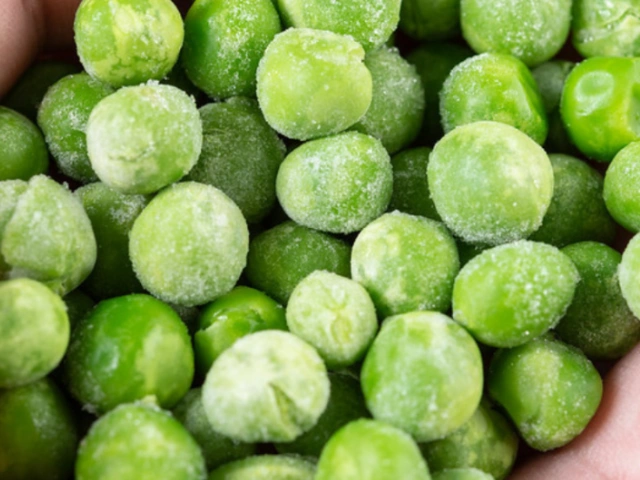
Dietitians often recommend frozen peas as the top choice for everyday use, citing their balance of nutrition, flavor, and convenience. They're perfect for soups, casseroles, or as a side dish.
Canned Peas: The Shelf-Stable Hero
At Amoytop Foods, we pride ourselves on canning expertise, and peas are a prime example of how this method makes healthy eating accessible. Our process uses fresh raw materials, ensuring quality under our HOPELAND and FRESHSIMLE brands.
Pros:
· Nutrition: Canned peas retain most nutrients, including protein, fiber, and vitamins. While some heat-sensitive vitamins (like C) may decrease slightly during canning, they're still a solid source—often comparable to cooked fresh peas. Low-sodium options minimize salt concerns.
· Taste and Texture: Milder flavor with a soft texture, which works well in stews, curries, or purees. Our canning preserves natural sweetness without artificial additives.
· Preparation: Ready-to-eat or heat in seconds—no thawing required. Ideal for quick meals.
· Cost and Availability: The most budget-friendly and longest-lasting (up to 5 years unopened). Perfect for pantries, emergencies, or remote areas.
· Convenience: No waste, consistent quality, and easy portioning. At Amoytop, we source from trusted farms to deliver peas that taste like home-cooked.
Cons:
· Texture and Flavor: Softer and less vibrant than fresh or frozen; some find them "mushy."
· Sodium: Traditional cans may have added salt for preservation—opt for no-salt-added versions.
· Processing Loss: Minor nutrient leaching into the liquid, but you can rinse to reduce sodium by up to 40%.
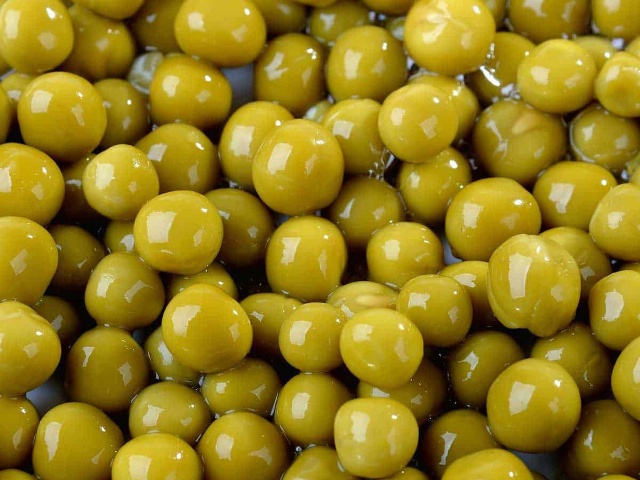
Canned peas shine in longevity and ease, making them a staple for busy families or global exporters like us.
Head-to-Head Comparison
To help you decide, here's a quick table breakdown:
Aspect | Fresh Peas | Frozen Peas | Canned Peas |
Nutrition | Highest in fresh vitamins; seasonal peak | Excellent retention; minimal loss | Good overall; slight vitamin reduction |
Taste | Sweet, crisp (if very fresh) | Sweet, tender | Mild, soft |
Texture | Crunchy | Firm | Mushy/soft |
Preparation Time | Moderate (shelling) | Quick | Instant |
Cost | High | Medium | Low |
Shelf Life | 2-3 days | 12 months | 2-5 years |
Best For | Salads, raw eating | Everyday cooking | Pantry staples, quick meals |
Sources indicate frozen often edges out for taste and nutrition, but fresh wins in season, and canned for convenience. All forms contribute to your daily veggie intake—aim for 2-3 cups per day.
Which Are Best? It Depends on You
There's no universal "best"—it hinges on your needs. For ultimate freshness and nutrition, go fresh in season. For year-round reliability and superior taste, choose frozen. For unbeatable convenience and longevity, canned peas are unmatched, especially from quality producers like Amoytop Foods.
At our company, we believe canned vegetables bridge the gap between farm-fresh and everyday practicality. Our products undergo rigorous quality checks to minimize nutrient loss and maximize flavor. If you're stocking up, consider our range—while peas aren't our top-listed item, the same principles apply, and we're always expanding.
Creative Ways to Enjoy Peas
· Fresh: Pea and mint salad with feta.
· Frozen: Stir into fried rice or pasta primavera.
· Canned: Mash into guacamole or add to tuna salad for a protein boost.
Experiment and mix forms for variety!
Final Thoughts
Peas in any form are a win for your health—nutrient-dense, affordable, and delicious. As Amoytop Foods' operator, I encourage exploring canned options for their reliability. Visit www.amoytopfoods.com to learn more about our canned veggies and how we bring hope and smiles to tables worldwide. Eat your peas, and stay healthy!