

Here’s the thing most first-time buyers don’t realize when they start sourcing canned fruit: the difference between a good can of lychee and one that disappoints customers often comes down to details you can’t see until the shipment lands. With the New Season 2026 Canned Lychee harvest kicking off, now is the moment to lock in supply if you want plump, whole pieces with that signature fragrant sweetness that actually holds up on shelves and in kitchens.
We’ve been working with canned lychees for years through facilities tied to operations like Amoytop Foods. The 567g tin – roughly the old 20oz size – continues to be the go-to retail and small foodservice pack. It strikes the perfect balance: substantial enough for family use or restaurant prep, yet compact for efficient display and lower waste risk once opened.
Why the 2026 Season Looks Promising for 567g Canned Lychee
This year’s growing conditions in major Chinese lychee regions have been favorable, leading to fruit with strong natural aroma and firm flesh. When packed quickly in syrup, you get that beautiful translucent white appearance and juicy texture that reminds people of a grape but with far more character.
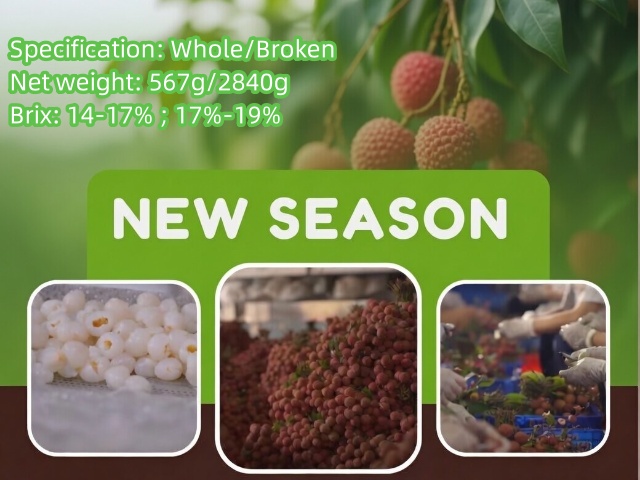
In practice, a standard 567g can delivers roughly 230g to 255g drained weight, depending on whether you go light or heavy syrup. That’s reliable for consistent portioning. Supermarkets use it for year-round tropical fruit aisles, while bubble tea shops, dessert makers, and Asian restaurants rely on it for toppings, cocktails, and sweet accents.
Current market specs that perform well:
· Brix levels: 14-17% for light syrup (health-conscious appeal) or 17-19% for heavier, sweeter versions
· Styles: Whole pieces for premium retail, broken for cost-sensitive bulk uses
· Lids: Easy-open for consumer convenience or standard for foodservice
· Shelf life: Up to 36 months, though many buyers request shorter “best by” dates to signal freshness
Honestly, this is where many buyers get confused. They focus only on the headline price per carton and end up with fruit that turns mushy after a few months or syrup that separates. The real difference usually traces back to harvest timing and how fast the fruit moves from orchard to can.
Inside the Production Process: What Actually Happens on the Factory Floor
Let’s talk real experience. Production for the new season typically ramps up from mid-June through early July, right when fresh lychees reach peak maturity. The process sounds simple on paper, but executing it consistently at scale takes tight coordination.
Fresh fruit arrives, gets sorted for size and quality, washed thoroughly, peeled, and pitted. Then it’s packed into tins with prepared syrup within hours to preserve flavor and color. Delay here, and you risk softer texture or slight browning. That’s why strong orchard relationships matter so much.
At facilities like those partnered with Amoytop, lines handle both light and heavy syrup variants. They can adjust sweetness for different target markets. We’ve seen clients succeed by starting with standard specs and then fine-tuning Brix or piece count based on feedback from their end customers.
One engineering detail many overlook: the packaging itself. Using the right carton strength and stacking patterns prevents dented tins during long sea voyages, especially to humid climates in Southeast Asia, the Middle East, or Africa. Standard configuration for 567g is 24 tins per carton, loading about 1,350 cartons per 20ft container. That efficiency helps keep freight costs manageable.
OEM/ODM Capabilities: Turning Your Brand Vision into Reality
Here’s what sets experienced manufacturers apart. They don’t just sell generic product – they support full OEM and ODM programs. Whether you need your own private label, custom label artwork, adjusted sweetness, or even special carton branding, it’s all on the table.
Many importers begin by testing the market with established brands like Hopeland or Fresh Smile before committing to full private label production. MOQ is often one full 20ft container, but some factories allow mixing 3-4 SKUs for trial orders. Delivery usually lands within 20-25 days after deposit and artwork approval.
In real projects, this flexibility solves a lot of headaches. One client we worked with needed lighter syrup for the European market to meet certain sugar labeling rules. Another wanted shorter shelf-life declarations for Middle Eastern retailers who emphasize “fresh packed” marketing. Both were handled smoothly because the supplier understood regulatory nuances across regions.
Common Mistakes and Costly Lessons from the Field
This is where things get tricky. A buyer sees a great sample, places a large order based purely on price, and then the production batch arrives with inconsistent drained weights or too many broken pieces. Customer complaints follow, margins shrink, and trust erodes.
What many overlook is the importance of rigorous raw material sorting. Not every season produces identical fruit. 2026 looks solid, but experienced packers still sort strictly for whole, firm pieces when premium quality is requested.
Another frequent issue: underestimating storage and transit conditions. Even with a 36-month shelf life, exposure to high heat or moisture can affect quality. We always recommend keeping stock in cool, dry warehouses and rotating inventory properly.
Here’s a real scenario we’ve encountered more than once. An importer in Southeast Asia ordered heavy syrup lychees for dessert applications. The first container performed beautifully, but the second had thinner syrup because the factory switched batches without clear communication. The lesson? Clear, ongoing specifications and sample approvals before full production are non-negotiable.
Market Trends Shaping Demand for Canned Lychee in 2026
The global canned lychee market continues to grow steadily, driven by demand for convenient tropical flavors in desserts, beverages, and snacks. Projections show healthy expansion through 2030, with increasing interest in premium and organic options.
In North America and Europe, consumers reach for canned lychee as an exotic alternative to more common fruits like peaches or pineapple. Bubble tea and Asian fusion desserts have boosted usage significantly. In the Middle East and Africa, the long shelf life and year-round availability make it a pantry staple.
Health-conscious buyers appreciate the natural vitamin C content, while the light sweetness fits well into various dietary preferences when choosing lower Brix versions.
Practical Applications: Beyond Straight from the Can
Pour a can into a bowl and eat it chilled on a hot day – that’s still one of the simplest pleasures. But the real value shows up in creative uses:
· Desserts: Fold into cakes, ice creams, panna cotta, or fruit salads for natural sweetness and visual appeal.
· Beverages: The syrup itself makes an excellent base for cocktails, mocktails, or bubble tea toppings. Lychee martinis anyone?
· Savory twists: Add to salads for sweet contrast or use in glazes for meats in fusion cooking.
· Foodservice: Restaurants portion them easily for consistent menu items without seasonal price swings.
The texture holds up remarkably well in processed applications, which is why canned versions often outperform expectations compared to fresh fruit that spoils quickly.
Packaging Engineering and Logistics Considerations
From a technical standpoint, the tin itself matters. Easy-open lids have become popular for retail because they improve user experience. Paper labels on brown cartons remain standard for cost efficiency, but some buyers request full-color printed cartons for premium positioning.
Loading patterns in containers deserve attention. Proper bracing reduces damage claims. For longer routes, choosing suppliers with experience in your target climate helps avoid condensation issues inside containers.
We’ve shipped to dozens of countries and learned that clear documentation – certificates, invoices, and packing lists – speeds up customs clearance dramatically.
Building Long-Term Supplier Relationships
In this industry, the best outcomes come from partnerships rather than one-off transactions. Suppliers who understand your market challenges can proactively suggest adjustments as trends shift.
For example, as demand for lower-sugar options grows, factories with flexible syrup formulation capabilities stay ahead. Those with strong quality control systems catch issues before they reach your warehouse.
Expanded FAQs About 567g Canned Lychee
What is the typical drained weight and piece count in a 567g can? Expect 230-255g of fruit. Premium whole packs often contain 18-25 pieces, depending on size. Always request detailed specs and samples.
Light syrup vs heavy syrup – which is better for my market? Light syrup (14-17% Brix) appeals to health-focused buyers and works well in Europe/North America. Heavy syrup suits sweeter preferences in Asia, Middle East, and dessert applications. Test both if possible.
How does the New Season 2026 compare to carry-over stock? New season fruit generally offers brighter flavor, firmer texture, and better color. Many buyers prefer it for premium private label programs.
Can I request organic or special certifications? Yes. Discuss requirements early. Some facilities support organic lines, though availability and pricing differ.
What is the MOQ and mixing flexibility? Typically one 20ft container, with mixing of several fruit or vegetable SKUs often allowed for trials.
How should I store 567g cans after arrival? Room temperature, away from direct sunlight and damp areas. Proper rotation ensures best quality.
Are these suitable for private label branding? Absolutely. Full OEM services including custom labels, formulations, and packaging are standard.
What makes Chinese-origin canned lychee dominant in global trade? China produces the vast majority of the world’s lychees. Combined with efficient processing infrastructure, this results in consistent quality and competitive pricing.
Final Thoughts on Sourcing Smart for 2026
Sourcing the right 567g Canned Lychee ultimately comes down to more than just finding the lowest price. It’s about partnering with suppliers who deliver consistency, understand real-world logistics challenges, and have the flexibility to support your brand growth.
With strong market tailwinds and the new season underway, importers who act decisively now will secure better availability and pricing on premium lots. Whether you’re building a retail program, supplying foodservice, or developing private label desserts, quality canned lychees remain a reliable performer.
If you’re evaluating options or need detailed specifications for the 2026 season, reach out. Drawing from years of hands-on experience across production, packaging, and international distribution, we can help you build a canned fruit lineup that actually performs for your customers season after season.