

The loquat season has officially arrived, bringing with it the promise of sweet, juicy fruit captured at the height of perfection. As global demand for high-quality, convenient fruit products continues to rise, we are proud to announce that we are fully prepared to supply the finest loquats to markets around the world. Our loquats are harvested at peak ripeness and processed immediately to lock in that unmistakable "just-picked" flavor in every can. This commitment to timeliness and care ensures that consumers—from busy families to high-end restaurants—can enjoy the delicate balance of sweetness and subtle tang that defines premium loquats, no matter the season or location.
A Brief Introduction to the Loquat: Nature's Golden Treasure
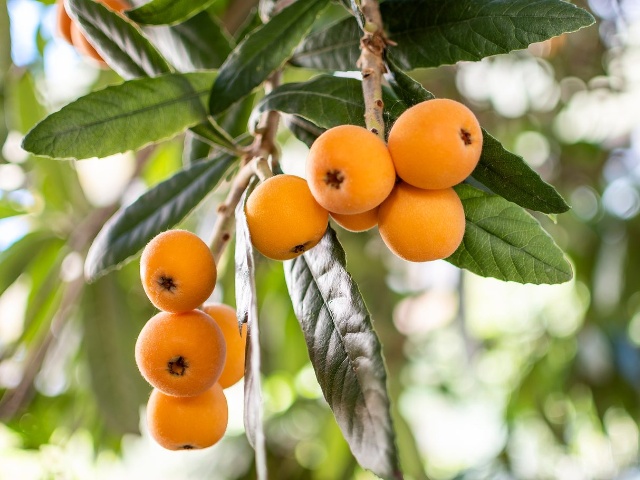
Often called the Japanese plum or Chinese medlar, the loquat (Eriobotrya japonica) is an evergreen subtropical fruit tree belonging to the Rosaceae family, the same botanical group that includes apples, pears, and peaches. Native to southern China, where it has been cultivated for over 2,000 years, the loquat has spread to many warm regions worldwide.
Loquat trees are hardy yet elegant, typically reaching 10 to 30 feet in height, with large, glossy, dark green leaves that provide a tropical aesthetic even when not in fruit. The trees bloom in autumn or early winter, producing fragrant white flowers that develop into clusters of oval or pear-shaped fruits. These fruits ripen to a vibrant golden-yellow or orange hue, with a thin, slightly fuzzy skin that peels easily to reveal succulent, juicy flesh surrounding one to several large seeds.
The flavor profile is unique: a harmonious blend of sweet and mildly tart notes, often reminiscent of a cross between apricot, peach, and citrus, with subtle floral undertones. Sugar content can range from 6.7 to 17 degrees Brix, depending on variety and growing conditions, resulting in a refreshing taste that shines both fresh and preserved. In many cultures, especially in Traditional Chinese Medicine, loquats have long been valued not only for their taste but also for their soothing properties, such as helping to clear "lung heat," relieve coughs, and moisten the respiratory system.
Loquat season typically aligns with late spring to early summer in the Northern Hemisphere, though exact timing varies by region and variety. In California, for instance, harvests often peak from March to June, while in warmer subtropical zones or with protected cultivation, fruiting can extend from December through July. This relatively short fresh season makes high-quality canned products especially valuable, extending availability year-round while preserving the fruit's essence.
Premium Quality: Hand-Selected Fruits with Perfect Golden Texture
At the heart of our supply is an unwavering dedication to premium quality. Every loquat that reaches our processing facilities is hand-selected by experienced workers who evaluate each fruit for size, color, firmness, and sugar content. Only those meeting our stringent criteria—perfect golden-orange hue, uniform texture, and peak ripeness—are chosen. This meticulous process eliminates underripe or overripe specimens, ensuring consistency in every batch.
Our orchards benefit from ideal growing conditions: well-drained soils, ample sunlight, and moderate water needs typical of citrus-growing regions. Varieties such as Tanaka, Advance, Gold Nugget, or local adaptations are cultivated to optimize flavor, yield, and resilience. The result is fruit with a firm yet yielding texture, vibrant color that holds through processing, and a flavor that captures the orchard's freshness.
Nutritionally, loquats are a standout. A typical 100-gram serving (about 3 medium fruits) provides roughly 43-70 calories, making them a light yet satisfying choice. They are rich in:
· Provitamin A (carotenoids) — supporting vision, immune function, and skin health.
· Vitamin C — bolstering immunity and acting as an antioxidant.
· Dietary fiber (around 1.7-3 grams) — aiding digestion and blood sugar regulation.
· Potassium (about 8% DV) — helping maintain fluid balance and heart health.
· Manganese, magnesium, vitamin B6, and folate — contributing to overall metabolic and antioxidant support.
These nutrients, combined with anti-inflammatory compounds and pectin (which supports gut health and jam-making), position loquats as a "superfruit" in the making—underrated but increasingly appreciated by health-conscious consumers worldwide.
Post-harvest handling is critical. Fruits are rushed from orchard to facility within hours of picking to minimize oxidation and preserve enzymes, vitamins, and volatile aroma compounds responsible for that signature "just-picked" taste. Modern techniques, including gentle washing, sorting, and immediate canning in light syrup or natural juice, lock in quality without the need for excessive additives.
The Journey from Orchard to Can: Ensuring "Just-Picked" Flavor
The transformation from tree to shelf is a carefully orchestrated process designed to retain maximum freshness. Harvesting occurs early in the morning when temperatures are cooler, reducing stress on the delicate fruit. Workers use specialized tools to clip clusters gently, avoiding bruises that could accelerate spoilage.
Upon arrival at the processing plant, fruits undergo rapid sorting via both manual inspection and optical systems for uniformity. Peeling, pitting (where desired for certain products), and packing follow swiftly. Our canning lines use state-of-the-art equipment to fill containers under controlled conditions, minimizing air exposure. A light syrup or the fruit's own juice serves as the packing medium, enhancing natural sweetness while maintaining the loquat's subtle tang.
This immediate processing is key. Loquats have a short shelf life when fresh—typically just a few days at room temperature—due to their high moisture content and susceptibility to enzymatic browning and microbial growth. By canning at peak ripeness, we capture the fruit's optimal texture and flavor profile, delivering a product that rivals fresh-picked loquats in taste and appearance. Quality control checks at every stage, including Brix measurements, pH testing, and sensory evaluations, guarantee that only the best reaches global markets.
Export Ready: Versatile Packaging for Retail and Catering Needs
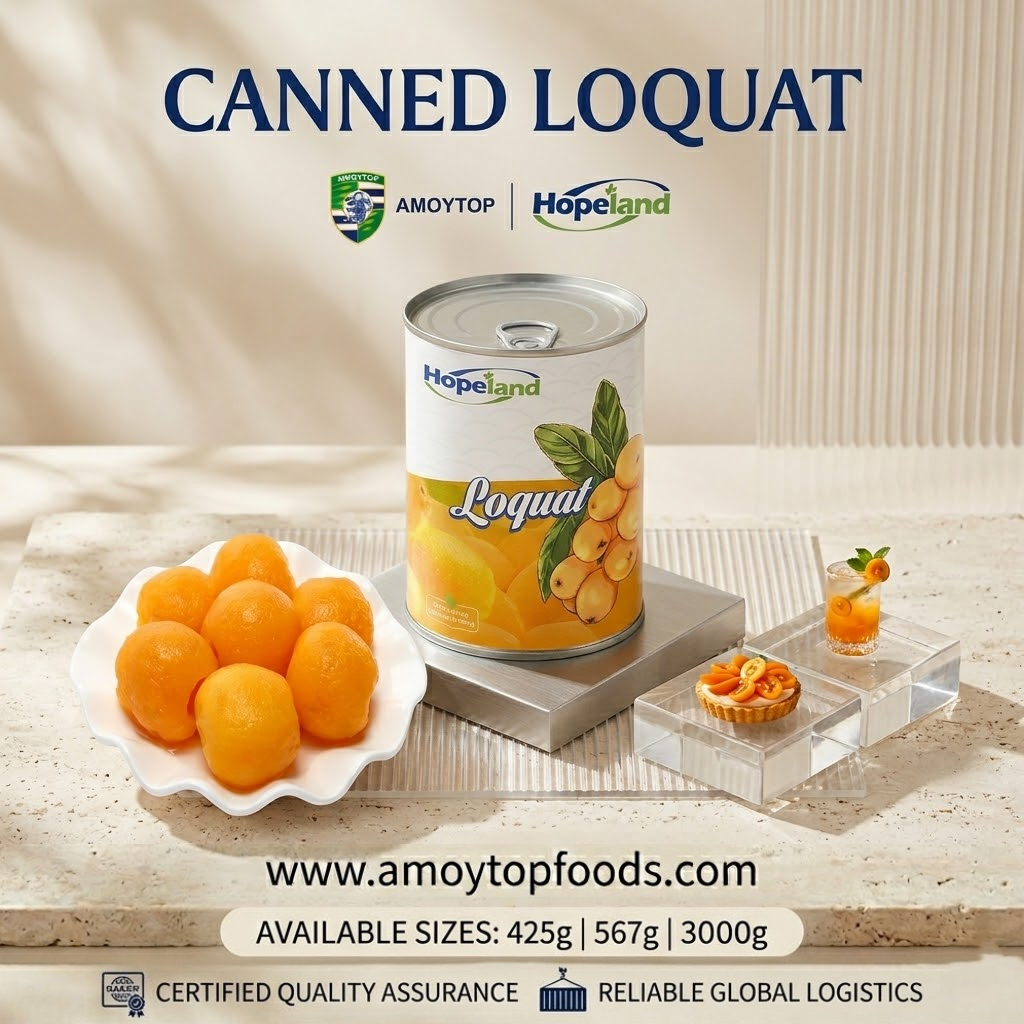
Understanding the diverse needs of international buyers, we offer our premium canned loquats in practical, market-oriented sizes:
· 425g cans — Ideal for retail shelves, small households, and convenience stores. These single- or double-serving sizes appeal to everyday consumers looking for a quick dessert, snack, or recipe ingredient.
· 567g cans — A popular mid-size option that balances portion control with value, suitable for families or light commercial use in cafes and bakeries.
· 3000g (3kg) cans — Designed for catering, foodservice, and industrial applications. Restaurants, hotels, bakeries, and manufacturers appreciate the efficiency of larger formats for bulk preparation of pies, jams, smoothies, or savory dishes.
All packaging meets international food safety standards, with options for private labeling, custom syrup strengths, and organic or conventional variants where available. Our products are shelf-stable for extended periods, making them perfect for export logistics across oceans and continents. Whether destined for supermarkets in North America, Europe, or emerging markets in the Middle East and Asia, these cans maintain their golden appeal and flavor integrity.
Global trade in loquats has grown steadily. While China leads in overall production (hundreds of thousands of tons annually), countries like Spain have excelled in fresh exports, and processed products fill gaps where fresh supply is limited. Canned loquats represent a significant segment, particularly as consumers seek convenient, nutritious options amid busy lifestyles and year-round demand. Our supply chain is optimized for reliability, with traceability from orchard to port, ensuring compliance with phytosanitary requirements and buyer specifications.
Culinary Versatility: From Traditional to Innovative Uses
Canned loquats shine in countless applications, bringing convenience without sacrificing quality. In Asian cuisines, they feature in desserts like fruit salads, sweet soups, or teas made from the leaves (known for soothing properties). In Western kitchens, they adapt beautifully:
· Desserts: Top cheesecakes, bake into tarts or crisps, or poach in spiced syrup for elegant presentations.
· Breakfast: Add to oatmeal, yogurt parfaits, or smoothies for natural sweetness and fiber.
· Savory dishes: Pair with poultry or pork in glazes, incorporate into salsas or chutneys, or use in curries for a sweet-tangy contrast.
· Preserves: Their high pectin content makes them excellent for jams, jellies, or relishes that capture seasonal flavor year-round.
Recipes abound: a loquat crisp with oat topping, vegan cheesecake with loquat swirl, or even a potato-loquat curry for fusion flair. For home cooks, simply draining and serving chilled loquats with cheese or nuts offers a sophisticated snack. In foodservice, large cans streamline preparation for high-volume needs like banquet fruit platters or bakery fillings.
Health and Wellness Appeal in a Modern World
As consumers increasingly prioritize nutrient-dense foods, loquats fit perfectly into wellness trends. Their antioxidant carotenoids and vitamins support immune health, while fiber aids digestion and may help regulate blood sugar—beneficial for diabetes management when consumed mindfully. Low calorie density combined with satisfying sweetness makes them a smart alternative to higher-sugar snacks. Traditional uses in respiratory health add cultural depth, appealing to those exploring functional foods.
Potential allergens are rare but should be noted for sensitive individuals, similar to other stone fruits. Overall, loquats offer broad appeal across demographics, from health enthusiasts to families seeking convenient fruit options.
Sustainability and Future Outlook
Responsible cultivation underpins our operations. Loquat trees require moderate inputs once established, with good drought tolerance and adaptability to various soils, provided drainage is adequate. Practices like flower and fruit thinning improve size and quality, while integrated pest management minimizes chemical use. As global production expands—with China, Spain, Turkey, and others leading—the industry continues innovating in varieties, protected cultivation for extended seasons, and efficient processing to reduce waste.
Looking ahead, demand for premium canned fruits is projected to grow, driven by urbanization, e-commerce, and interest in exotic yet accessible products. We remain committed to scaling sustainably, investing in traceability technology, and partnering with distributors to bring our loquats to new markets.
Conclusion: Capturing Sunshine in Every Can
The arrival of loquat season marks more than a harvest—it represents an opportunity to share nature's bounty with the world. Our hand-selected, peak-ripeness loquats, processed with care to preserve "just-picked" flavor, are now available in convenient 425g, 567g, and 3000g sizes tailored for retail and catering success.
Whether enjoyed straight from the can, incorporated into creative recipes, or valued for their nutritional benefits, these golden fruits deliver consistent quality and delight. We invite importers, retailers, food manufacturers, and distributors to partner with us in bringing this subtropical treasure to tables globally.
Contact our team today to secure your supply of premium canned loquats. Let us help you meet the growing appetite for exceptional fruit products that combine tradition, nutrition, and modern convenience. The season is here—ensure your customers experience the finest.