

Introduction
Mushrooms, often considered a delicacy in various cuisines, are a versatile and nutritious ingredient that can be prepared in many forms. While fresh mushrooms are widely used in cooking, canned mushrooms have gained popularity due to their convenience, long shelf life, and ease of use. Whether you are a seasoned chef or a home cook, understanding the nuances of canned mushrooms—such as their types, benefits, uses, and proper storage—can elevate your culinary creations and simplify meal preparation. This article provides an in-depth exploration of canned mushrooms, from their origins to practical tips for integrating them into your dishes.
The History and Evolution of Canned Mushrooms
The process of canning food revolutionized food preservation in the 19th century. In the early 1800s, the Frenchman Nicolas Appert developed a method for sealing food in airtight containers, which helped extend its shelf life. By the late 1800s, this technology was adapted worldwide, and food manufacturers began experimenting with various ingredients for canning. Mushrooms, known for their delicate texture and short shelf life, were one of the first items to be preserved in cans.
Initially, mushrooms were preserved through drying or pickling. However, canned mushrooms became popular because they could maintain their flavor, texture, and nutritional value for much longer than fresh ones. This innovation was especially beneficial for countries with harsh climates or limited access to fresh produce. Over time, as mushroom farming expanded and techniques for preserving them improved, canned mushrooms became a staple in many kitchens.
Canned mushrooms began to gain significant market traction in the United States and Europe during the mid-20th century. As they became more widely available, canned mushrooms began to be used not just as a side dish but as an ingredient in many classic recipes, from soups and sauces to casseroles and stir-fries.
Types of Canned Mushrooms
Canned mushrooms are available in a variety of types, each suited to different culinary needs. These mushrooms vary in flavor, texture, and versatility, allowing chefs and home cooks to choose the best option for their recipes. Below are the most common types of canned mushrooms available on the market:
1. White Button Mushrooms
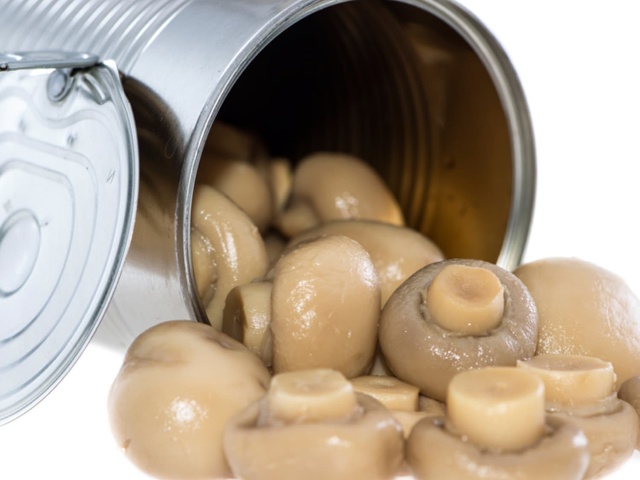
White button mushrooms are the most common type of canned mushroom. They are small, round, and pale in color. These mushrooms have a mild, neutral flavor, making them perfect for dishes where you want the mushrooms to absorb the flavors of the other ingredients. Canned white button mushrooms are popular in soups, stews, casseroles, and salads. They are also used as a topping for pizzas and a filling for sandwiches and wraps. Their soft texture and subtle flavor allow them to blend seamlessly into a variety of dishes.
2. Cremini Mushrooms (Baby Bella)
Cremini mushrooms, often referred to as baby bella mushrooms, are a slightly more mature version of the white button mushroom. They have a firmer texture and a deeper, earthier flavor. Canned cremini mushrooms are ideal for recipes that require a stronger mushroom taste, such as creamy sauces, risottos, and savory meat-based dishes. Their more robust flavor profile pairs well with red meats, poultry, and root vegetables.
3. Portobello Mushrooms
Portobello mushrooms are the largest variety of edible mushrooms. They are meaty and have a rich, savory flavor. Canned portobello mushrooms retain their hearty texture and are perfect for dishes that need a more substantial mushroom flavor, such as stews, burgers, and pasta sauces. Their robust, umami-rich taste also makes them an excellent substitute for meat in vegetarian and vegan recipes. Canned portobello mushrooms are often used in hearty soups and are a key ingredient in dishes like mushroom stroganoff and mushroom bourguignon.
4. Shiitake Mushrooms
Shiitake mushrooms are native to East Asia and are known for their distinctive smoky, earthy flavor. Canned shiitake mushrooms are commonly used in Asian cuisines and are perfect for soups, stir-fries, and broths. They add a rich, umami flavor to dishes like ramen, miso soup, and sautéed vegetables. Canned shiitake mushrooms are an excellent option for anyone looking to add an authentic Asian twist to their cooking without the need to source fresh shiitakes, which may not always be readily available.
5. Mixed Mushrooms
Canned mixed mushrooms typically contain a blend of different varieties, such as white button, cremini, portobello, and shiitake mushrooms. This variety pack offers a complex flavor profile and diverse textures, making it a versatile option for a wide range of dishes. Whether you're making a hearty vegetable stew, a mushroom sauce, or a creamy casserole, canned mixed mushrooms provide a perfect balance of flavors.
Benefits of Canned Mushrooms
Canned mushrooms offer several advantages over fresh mushrooms, making them a convenient and accessible choice for busy home cooks, restaurants, and food manufacturers. Some of the key benefits of using canned mushrooms include:
1. Convenience
One of the most significant advantages of canned mushrooms is their convenience. Unlike fresh mushrooms, which require cleaning, slicing, and often a quick cooking process, canned mushrooms are pre-sliced, pre-cooked, and ready to use right out of the can. This eliminates the need for time-consuming preparation, making them an ideal option for fast and easy meal prep.
Additionally, canned mushrooms do not spoil as quickly as fresh mushrooms, which have a very short shelf life. The canning process preserves the mushrooms, allowing them to last for months or even years, making them an excellent pantry staple.
2. Long Shelf Life
Canned mushrooms have an incredibly long shelf life, often lasting one to three years when stored properly. This makes them an excellent option for stocking up and ensuring you have mushrooms available for whenever you need them. Their long shelf life also reduces food waste, as you can keep them on hand without worrying about them spoiling quickly.
3. Nutritional Value
Canned mushrooms are a highly nutritious food, offering many of the same health benefits as fresh mushrooms. They are low in calories, fat, and cholesterol, making them a heart-healthy option for people watching their diet. Mushrooms are also a rich source of dietary fiber, which helps promote healthy digestion and prevent constipation.
Additionally, canned mushrooms contain essential vitamins and minerals, including B-vitamins (such as riboflavin, niacin, and pantothenic acid), selenium, potassium, copper, and antioxidants. These nutrients help support energy production, immune function, and cardiovascular health. While the canning process may reduce some of the vitamin content, canned mushrooms still retain most of their nutritional value and are an excellent addition to a healthy diet.
4. Affordability
Canned mushrooms are generally more affordable than fresh mushrooms, making them a cost-effective choice for families, restaurants, and anyone on a budget. Their long shelf life allows you to buy in bulk and stock up on a pantry staple that can be used in a wide variety of dishes.
5. Versatility
Canned mushrooms are incredibly versatile and can be used in a wide range of recipes. From soups and sauces to casseroles and stir-fries, canned mushrooms add flavor and texture to many dishes. They can also be used as a topping for pizzas, a filling for sandwiches, or an ingredient in savory pies. Their mild, earthy flavor makes them easy to incorporate into both vegetarian and meat-based dishes, and their convenient form makes them perfect for busy weeknight dinners.
How to Use Canned Mushrooms
Canned mushrooms can be incorporated into a variety of dishes, ranging from simple meals to elaborate gourmet creations. Here are some of the best ways to use canned mushrooms in your cooking:
1. Soups and Stews
Canned mushrooms are a great addition to soups and stews. Their rich, savory flavor enhances the taste of broth-based dishes, and their soft texture makes them easy to blend into the soup. You can add canned mushrooms to a classic mushroom soup, a chicken noodle soup, or a hearty beef stew. They also work well in cream-based soups like potato and leek soup.
2. Sauces
Canned mushrooms are excellent for making sauces, particularly mushroom gravy or creamy mushroom sauce. You can sauté them with garlic, onions, and butter, then add broth or cream to create a rich, flavorful sauce. Serve this over meats, pasta, or vegetables for a comforting meal.
3. Casseroles and Bakes
Canned mushrooms can be added to casseroles, baked dishes, and gratins. They blend well with other ingredients, such as cheese, potatoes, rice, and vegetables. Canned mushrooms work particularly well in creamy casseroles like tuna noodle casserole, chicken pot pie, or macaroni and cheese.
4. Stir-Fries and Sautés
Canned mushrooms can be quickly sautéed with other vegetables and meats in stir-fries. Their firm texture holds up well when cooked in high heat, and they add a savory depth to the dish. Try adding canned mushrooms to vegetable stir-fries, chicken stir-fries, or fried rice.
5. Pizza and Sandwiches
Canned mushrooms are a popular topping for pizzas, adding flavor without the need for slicing fresh mushrooms. They are also a great addition to sandwiches and wraps, where their mild flavor complements other fillings like cheese, ham, or roasted vegetables.
How to Store Canned Mushrooms
Proper storage is essential to ensure that your canned mushrooms stay fresh and safe to eat. Here are some tips for storing canned mushrooms:
1. Unopened Cans
Unopened cans of mushrooms should be stored in a cool, dry place, such as a pantry or cupboard. Avoid storing them in direct sunlight or in areas with high humidity, as this can cause the cans to rust or spoil. Most canned mushrooms have a shelf life of one to three years, depending on the brand and storage conditions. Always check the expiration date on the can before using it.
2. Opened Cans
Once a can of mushrooms is opened, any unused portion should be transferred to an airtight container and stored in the refrigerator. Opened canned mushrooms should be used within 3 to 4 days for the best flavor and texture. Do not store opened mushrooms in the original can, as it can cause them to lose flavor and become contaminated.
3. Freezing
If you have leftover canned mushrooms that you won’t be able to use within a few days, you can freeze them for longer storage. Simply drain the mushrooms, place them in an airtight container or freezer bag, and store them in the freezer for up to three months. Keep in mind that freezing may alter the texture of the mushrooms, so they are best used in cooked dishes after thawing.
Conclusion
Canned mushrooms are an incredibly convenient and versatile ingredient that can be used in a variety of dishes. From their long shelf life to their affordability, canned mushrooms offer numerous benefits to home cooks and professional chefs alike. Whether you’re making soups, sauces, casseroles, or stir-fries, canned mushrooms are a reliable pantry staple that can add flavor and nutrition to your meals. Understanding the different types, benefits, and uses of canned mushrooms will help you make the most of this handy ingredient in your cooking.