

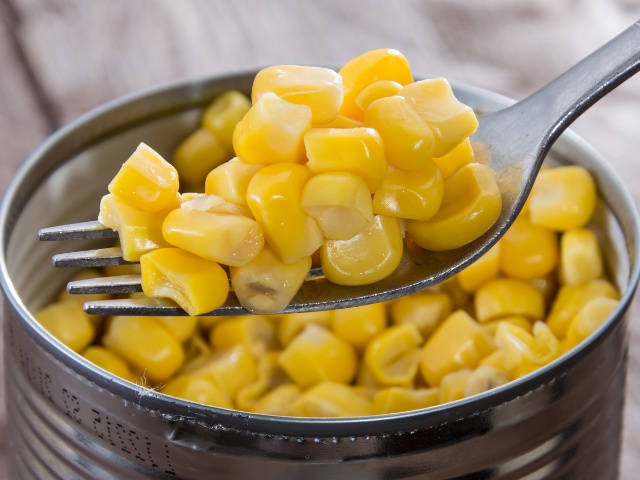
The season of canned sweet corn is already coming. As the calendar turns and fresh produce aisles start showing signs of summer's bounty, shelves in grocery stores across the United States and beyond begin stocking up on a pantry staple that has sustained families for generations: canned sweet corn. While fresh ears of corn evoke images of backyard barbecues and roadside stands in mid-to-late summer, the "season" for canned sweet corn kicks into high gear behind the scenes much earlier, tied to the rhythms of planting, peak harvest, and industrial processing that transform millions of acres of golden kernels into shelf-stable delights available year-round.
This article explores the vibrant world of canned sweet corn—from its agricultural roots and historical innovations to nutritional value, production processes, creative recipes, and its enduring place in modern kitchens. Whether you're a home cook reaching for a can on a busy weeknight or a curious reader wondering about the journey from field to fork, the arrival of canned sweet corn season signals reliability, convenience, and a touch of summer sweetness no matter the month.
A Brief History of Canned Sweet Corn
Canning as a preservation method dates back to the early 19th century, but sweet corn took a special place in American food history. Nicolas Appert's experiments in France around 1809 laid the groundwork for heat-processing foods in sealed containers to prevent spoilage. The technology crossed the Atlantic, and by the 1840s, innovators in the United States began applying it to vegetables.
Isaac Winslow is often credited with pioneering the successful commercial canning of sugar corn (an early term for sweet corn) around 1842 in Maine, though a patent came later in 1863. Early canneries popped up in New England, with the Winslow brothers in Portland, Maine, among the first to can corn as a flagship product. By the 1880s, factories spread westward to places like Minnesota and Wisconsin, turning rural economies into hubs of processing. Canned corn became a Civil War staple and a symbol of industrial progress, helping feed growing urban populations and military forces.
In the 20th century, the industry boomed. Sweet corn canning helped shape landscapes in Northern New England, where "canning gold" referred to the economic boost from processing plants. Innovations in hybrid seeds, mechanized harvesting, and factory lines scaled production dramatically. Today, while the industry faces challenges like shifting consumer preferences toward fresh or frozen options and climate impacts on yields, canned sweet corn remains a global commodity with deep American roots. Processing sweet corn (canned and frozen combined) still represents a significant segment of vegetable production, second only to tomatoes in some metrics.
The Agricultural Cycle: When Does the "Season" Really Begin?
The phrase "the season of canned sweet corn is already coming" captures the anticipation building long before cans hit retail shelves. Sweet corn for processing is a summer crop, but the cycle starts in spring.
Farmers in key growing regions—primarily the Midwest (Wisconsin, Minnesota, Illinois) and Pacific Northwest (Oregon, Washington)—plant hybrid sweet corn varieties bred for tenderness, sweetness, and machine-harvest efficiency from May through early July. These hybrids differ from field corn used for animal feed or ethanol; sweet corn is harvested at the "milk stage" when kernels are plump, juicy, and high in sugars before they convert to starch.
Harvest typically peaks from July through September, depending on the region and weather. In Michigan, for example, fresh sweet corn hits markets in August and September, with processing following closely. Farmers aim to pick at peak ripeness—when silks turn brown and kernels are full but still tender—to lock in flavor and nutrients. Modern equipment allows massive scale: the U.S. harvests billions of pounds of sweet corn annually, though only about 1% of total corn acreage is sweet corn (the rest is mostly dent/field corn).
Processing plants operate at full throttle during this window. Corn is rushed from fields to factories within hours to preserve quality. Kernels are cut from cobs, cleaned, blanched, and packed into cans with brine or water, then sealed and heat-sterilized. This "season" of intense activity can last several months, with staggered plantings extending the supply. By late fall or early winter, new-crop canned sweet corn begins appearing in stores, ready for winter meals. In some international contexts, like certain Chinese production cycles, "first season" references align with early-year harvests, but in the U.S., it aligns with the Northern Hemisphere summer-to-fall transition.
Challenges persist. Recent analyses show declining acreage for processing sweet corn in rainfed Midwest areas due to weather variability, competition from other crops, and labor dynamics. Irrigated regions in the West hold steadier. Still, the industry adapts with better hybrids and sustainable practices, ensuring the season keeps "coming" reliably.
From Field to Can: The Production Process
Walking through a modern canning facility reveals an engineering marvel handling 160,000 tons or more annually in large operations. It begins with harvest: specialized machines snap ears from stalks or cut kernels directly in some systems. Freshness is critical—delays beyond a few hours can diminish sugars and texture.
At the plant:
1. Husking and Cleaning: Ears are stripped of husks and silks, washed thoroughly.
2. Cutting: Automated knives shear kernels from cobs. Some lines produce whole-kernel corn; others cream-style (mashing some kernels for creaminess).
3. Blanching: Brief heat treatment inactivates enzymes that cause spoilage or flavor loss.
4. Filling and Brining: Kernels go into cans with salt water or light syrup. Low-sodium options cater to health-conscious consumers.
5. Sealing and Retorting: Cans are sealed and cooked under pressure at high temperatures (around 240-250°F) for sterilization, ensuring safety and a shelf life of 2-5 years or more.
6. Cooling and Labeling: Rapid cooling prevents overcooking, followed by inspection and packaging.
Quality control is rigorous, with checks for fill weight, seal integrity, and microbial safety. The result: convenient, affordable nutrition that captures summer's essence. U.S. production of canned sweet corn hovers around 1.8-1.9 billion pounds in recent years, though forecasts suggest slight declines amid broader vegetable processing trends.
Nutritional Benefits: Is Canned Sweet Corn Good for You?
Canned sweet corn often gets underrated, but it delivers solid nutrition comparable to fresh in many ways. A one-cup serving (about 164g drained) of whole-kernel canned sweet corn provides roughly:
· 130-150 calories
· 30g carbohydrates (mostly complex, with natural sugars)
· 3-4g dietary fiber
· 4-5g protein
· Low fat (around 1-2g)
· Key micronutrients: potassium (300+ mg), magnesium, phosphorus, and B vitamins like folate, niacin, and B6.
Fiber supports digestion and steady blood sugar (though corn's starch content means portion awareness for diabetics). Antioxidants, including lutein and zeaxanthin from the yellow pigments, promote eye health. Vitamin C and other compounds aid immunity and skin. Studies and experts note that canning preserves many nutrients well, sometimes even enhancing bioavailability of certain antioxidants through heat processing.
Compared to fresh, canned corn is picked and processed at peak ripeness, minimizing nutrient loss from transport. It's a budget-friendly way to add vegetables to meals, reducing food waste. Downsides include added sodium in some brands (rinse to reduce) and slightly lower vitamin C than raw, but overall, it's a versatile, healthy choice. Low-sodium and no-salt-added varieties make it even better. Fresh or frozen may edge out in some sensory aspects, but canned shines for convenience and year-round access.
Creative Ways to Enjoy Canned Sweet Corn
The beauty of canned sweet corn lies in its versatility. Here are ideas to elevate it beyond plain side dishes:
Simple Upgrades: Drain and rinse a can, then sauté in butter with garlic, salt, pepper, and fresh herbs like thyme or cilantro. Add a squeeze of lime for brightness or chili flakes for heat. Brown butter versions bring nutty depth in under 15 minutes.
Salads and Salsas: Mix with black beans, diced tomatoes, red onion, jalapeño, cilantro, and lime vinaigrette for a quick corn salsa or salad. Perfect with tacos or grilled meats.
Soups and Chowders: Stir into potato corn chowder, taco soup, or creamy chicken corn soup. Slow-cooker versions make weeknights easy.
Casseroles and Sides: Classic corn pudding, corn soufflé, or cheesy baked corn with cream cheese and bacon. Fritters or pancakes turn it into appetizers.
International Twists: Mexican street corn (elote) inspiration with mayo, cotija, and spices. Or add to fried rice, stir-fries, or Indian-style corn curry.
Baking: Fold into cornbread, muffins, or even chocolate chip cookies for subtle sweetness.
With over 30 popular recipes ranging from quick potato corn chowder to slow-cooker corn pudding, the options are endless. Canned corn shines in 7-can soups, vegetable medleys, or as a topping for nachos and pizzas.
For home canners, preserving fresh summer corn allows customization—pressure canning plain kernels or making relish.
Economic and Cultural Impact
Sweet corn processing supports rural economies, though acreage has trended down in some areas from peaks in prior decades. Total sweet corn value (fresh and processed) exceeds $800 million annually in the U.S., with processing contributing significantly. Exports add value, and the product remains a comfort food staple in households, schools, and food service.
Culturally, canned corn evokes nostalgia—think holiday casseroles, Depression-era resourcefulness, or simple family dinners. In diverse American kitchens, it bridges seasons and budgets.
Sustainability and Future Outlook
Modern production emphasizes efficiency, but challenges include water use in irrigation, pesticide management, and adapting to climate shifts. Companies invest in sustainable hybrids and reduced-waste processes. Consumers can support by choosing brands with responsible sourcing and opting for low-sodium options.
As demand for convenient, plant-based foods grows, canned sweet corn's role may evolve, perhaps with new flavors or organic lines. The "season" will continue arriving, thanks to innovation.
Conclusion: Embrace the Season Year-Round
The season of canned sweet corn is already coming—and in many ways, it's always here. From historic canneries to today's high-tech lines, this humble product connects us to America's agricultural heartland and the simple joy of sweet, golden kernels. Stock your pantry, experiment with recipes, and appreciate how one can brings summer's harvest to your table any day of the year.
Whether stirred into a hearty chowder on a chilly evening or brightening a summer salad, canned sweet corn proves that preservation isn't just about extending shelf life—it's about extending pleasure and nutrition. Next time you hear the pop of a can lid, remember the fields, the factories, and the farmers who make it possible. The season is here; dig in.