

Welcome to our blog, fellow food enthusiasts and savvy shoppers! As we dive into the heart of the mushroom harvest season, there's no better time to explore the world of fungi and why it's buzzing with excitement right now. Mushrooms aren't just a quirky addition to your pizza or stir-fry; they're a versatile, nutritious powerhouse that's been captivating palates for centuries. In this comprehensive post, we'll unpack everything you need to know about the mushroom production season, with a special spotlight on canned whole mushrooms. We'll discuss how the abundance of raw materials this season is driving down prices, making them incredibly affordable, and why this is undeniably a good time to place an order. Whether you're a home cook, a restaurant owner, or a bulk buyer, stick around – this read is packed with insights to help you make the most of nature's bounty.
Understanding the Mushroom Production Cycle
Mushrooms have a fascinating life cycle that sets them apart from traditional crops. Unlike fruits or vegetables that rely on sunlight and soil, mushrooms are fungi that thrive in dark, humid environments. They grow from spores, forming mycelium networks underground or in controlled substrates like compost or wood chips. The production season for mushrooms varies by type and region, but globally, we're in a peak period right now where conditions are ideal for bountiful harvests.
In major producing countries like China, the United States, Poland, and the Netherlands, the mushroom season ramps up in cooler months. For instance, button mushrooms (Agaricus bisporus), which are the most common variety used in canned whole mushrooms, see their prime harvest from late fall through early spring. Why? Because mushrooms prefer temperatures between 55-65°F (13-18°C), with high humidity. In controlled farms, this allows for year-round production, but the natural outdoor and semi-outdoor cycles align with these cooler periods, leading to an overflow of abundant raw materials.
This seasonal surge means farms are overflowing with fresh mushrooms. Harvesters work around the clock to pick them at their peak – firm, white, and unblemished. The result? A market flooded with high-quality produce that's perfect for processing into canned goods. If you've ever wondered why canned whole mushrooms seem fresher and more plentiful during certain times, it's because of this natural rhythm. Right now, with the harvest in full swing, suppliers are dealing with such abundant raw materials that they're able to offer products at affordable prices. It's economics 101: high supply meets steady demand, keeping costs low without compromising quality.
The Rise of Canned Whole Mushrooms in the Food Industry
Let's zoom in on canned whole mushrooms. These aren't your average preserved veggies; they're a staple in pantries worldwide for good reason. Canning whole mushrooms preserves their natural shape, texture, and flavor, making them ready-to-use in countless recipes. Unlike sliced or chopped versions, whole mushrooms maintain that satisfying bite and visual appeal, whether you're tossing them into a salad, stew, or casserole.
The history of canning mushrooms dates back to the 19th century when preservation techniques revolutionized food storage. In 1810, Nicolas Appert pioneered the canning process, and by the mid-1800s, mushrooms were being canned commercially in Europe. Fast forward to today, and canned whole mushrooms are a multi-billion-dollar industry. China leads as the top exporter, producing over 50% of the world's canned mushrooms, thanks to its vast agricultural infrastructure and favorable climate.
What makes canned whole mushrooms so popular? Convenience is key. They have a shelf life of up to two years, eliminating waste from fresh produce spoilage. Plus, the canning process locks in nutrients – studies from the USDA show that canned mushrooms retain high levels of vitamins and minerals comparable to fresh ones. During the production season, when raw materials are abundant, canneries operate at full capacity, processing millions of pounds daily. This efficiency translates to lower production costs, which in turn means affordable prices for consumers. If you're stocking up for your business or home, now is a good time to place an order before the peak season winds down and supplies tighten.
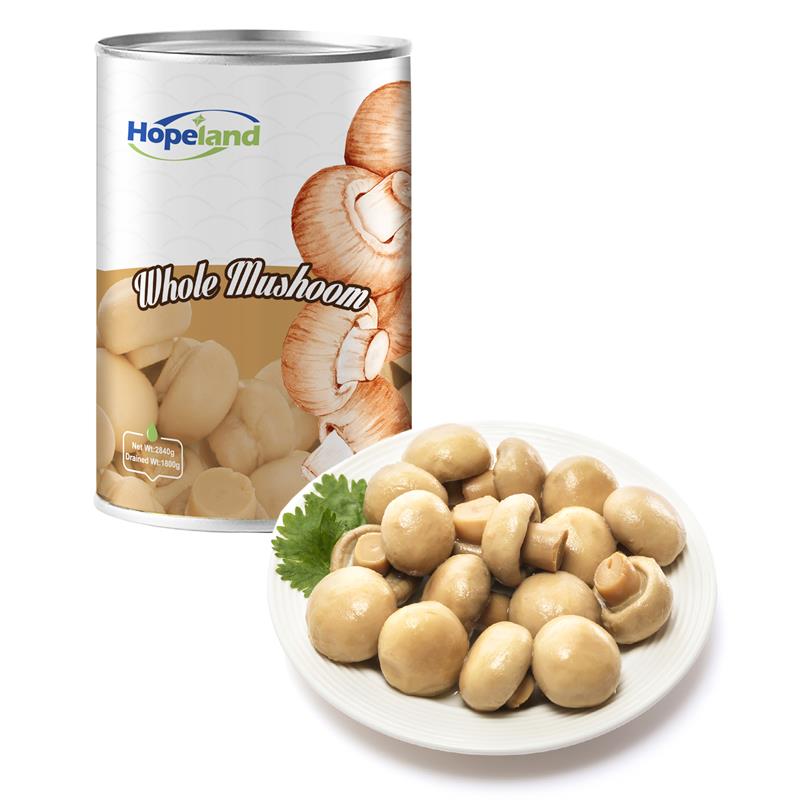
Nutritional Powerhouse: Why Mushrooms Deserve a Spot in Your Diet
Beyond their culinary versatility, mushrooms are nutritional gems. Canned whole mushrooms pack a punch with low calories (about 20 per serving) and zero fat, making them ideal for health-conscious eaters. They're rich in B vitamins like riboflavin, niacin, and pantothenic acid, which support energy metabolism and nervous system health. Additionally, they provide selenium, a potent antioxidant that boosts immune function and may reduce cancer risk, according to research from the National Institutes of Health.
One standout feature is their vitamin D content. Mushrooms are one of the few non-animal sources of this essential vitamin, especially when exposed to UV light during growth. In canned whole mushrooms, this nutrient is preserved, helping combat deficiencies common in urban dwellers with limited sun exposure. They're also a great source of dietary fiber, promoting gut health and aiding digestion. For vegetarians and vegans, mushrooms offer a meaty texture and umami flavor, often dubbed "nature's meat substitute."
During the harvest season, the abundant raw materials ensure that only the freshest mushrooms make it into cans. This freshness enhances nutrient density – no wilted or overripe specimens here. With prices dipping due to oversupply, incorporating canned whole mushrooms into your diet is more affordable than ever. Imagine whipping up a mushroom risotto or stir-fry without breaking the bank. Yes, it's a good time to place an order and reap these health benefits year-round.
Global Production Hotspots and Seasonal Influences
To appreciate the current bounty, let's tour the world's mushroom hubs. China dominates with over 5 million tons produced annually, much of it destined for canning. Provinces like Fujian and Zhejiang boast massive farms where button mushrooms flourish in controlled environments. The season here peaks from October to March, aligning with cooler weather that minimizes pest issues and maximizes yield.
In the US, Pennsylvania is the mushroom capital, producing nearly 60% of the nation's supply. Farms like Phillips Mushroom Farms harvest year-round but see surges in fall and winter. Europe's powerhouses, including the Netherlands and Poland, focus on efficient, sustainable practices, using recycled substrates to reduce environmental impact.
Climate change is influencing seasons, with warmer winters potentially extending harvests but also introducing challenges like droughts. However, innovations in indoor farming mitigate these risks, ensuring steady abundant raw materials. This stability keeps canned whole mushrooms at affordable prices. For international buyers, tariffs and shipping costs can fluctuate, but right now, with global supply high, it's a good time to place an order to lock in deals before any disruptions.
Sustainable Practices in Mushroom Farming
Sustainability is a hot topic, and mushroom production shines here. Mushrooms are eco-friendly: they grow on waste materials like straw, manure, or sawdust, turning byproducts into food. This circular economy reduces landfill waste and carbon footprints. Organic farming is on the rise, with certifications ensuring no pesticides taint your canned whole mushrooms.
During peak season, farms prioritize ethical labor and minimal water use – mushrooms require far less than traditional crops. Companies like Monterey Mushrooms in the US emphasize regenerative agriculture, enriching soil health. As consumers demand greener products, suppliers with sustainable credentials command loyalty. With abundant raw materials flooding the market, eco-conscious canned whole mushrooms remain affordable. Supporting these practices? Place your order now – it's a good time to place an order and vote with your wallet for a better planet.

Culinary Adventures with Canned Whole Mushrooms
Ready to get cooking? Canned whole mushrooms are a chef's best friend. Drain and rinse them, then sauté with garlic and herbs for a simple side. Or elevate them in gourmet dishes: stuff with cheese and bake, or add to beef stroganoff for that earthy depth.
Recipe idea #1: Mushroom and Spinach Quiche. Use canned whole mushrooms for ease – no chopping needed. Sauté with onions, mix into eggs and cheese, bake in a pie crust. Serves 6, under 30 minutes prep.
Recipe idea #2: Vegan Mushroom Stir-Fry. Toss canned whole mushrooms with tofu, broccoli, and soy sauce. Quick, healthy, and budget-friendly thanks to affordable prices.
Recipe idea #3: Creamy Mushroom Soup. Blend canned whole mushrooms with stock, cream, and thyme. Perfect for chilly evenings.
These recipes highlight the versatility of canned whole mushrooms. With abundant raw materials ensuring top quality, experimenting is risk-free. Stock up – it's a good time to place an order for endless meal inspirations.
Market Trends: Pricing and Supply Chain Insights
Diving into economics, the mushroom market is projected to grow at 9% CAGR through 2030, per Grand View Research. Demand for processed foods like canned whole mushrooms drives this, especially in Asia-Pacific and North America.
Seasonal supply peaks lower wholesale prices – currently, a case of canned whole mushrooms might cost 20-30% less than off-season. Factors like fuel costs and labor affect this, but abundant raw materials buffer hikes. For retailers, buying in bulk now secures margins.
E-commerce platforms like Alibaba or Amazon make sourcing easy. Look for certifications like USDA Organic for quality assurance. With prices at their most affordable, hesitating means missing out. Indeed, it's a good time to place an order before demand surges.
Health and Wellness Trends Featuring Mushrooms
Mushrooms are trending in wellness circles. Adaptogenic varieties like reishi boost immunity, but even button mushrooms in canned whole mushrooms offer benefits. They're low-glycemic, aiding diabetes management, and their beta-glucans support heart health.
In functional foods, mushroom extracts appear in supplements, but whole forms provide fiber too. During harvest, fresh processing preserves bioactives. With abundant raw materials, these health boosters are affordable. Integrate them into your routine – order today, as it's a good time to place an order.
Challenges in the Industry and How They're Overcome
No industry is without hurdles. Pests like sciarid flies can plague farms, but integrated pest management (IPM) uses natural predators. Labor shortages are addressed via automation – robotic harvesters are emerging.
Supply chain disruptions, like those from COVID-19, highlighted resilience needs. Diversified sourcing helps. Despite challenges, abundant raw materials this season ensure stability, keeping canned whole mushrooms at affordable prices. Proactive buyers: it's a good time to place an order.
Consumer Tips: Selecting and Storing Canned Whole Mushrooms
Choose cans without dents or bulges. Check sodium levels if watching intake – low-sodium options abound. Store in cool, dry places; once opened, refrigerate and use within days.
For bulk buyers, compare suppliers for freshness dates. With current abundant raw materials, expect recent packs. Maximize value with these tips, and remember, it's a good time to place an order at affordable prices.
The Future of Mushroom Production
Looking ahead, vertical farming and lab-grown mushrooms promise year-round abundance. Genetic engineering could enhance yields and nutrition. Sustainability will dominate, with carbon-neutral farms.
Canned whole mushrooms will evolve, perhaps with flavored varieties. As innovation lowers costs, they'll stay affordable. Stay ahead – stock up now, as it's a good time to place an order.
Wrapping Up: Seize the Season
We've journeyed through the mushroom world, from harvest to table. With abundant raw materials driving affordable prices for canned whole mushrooms, there's no better moment to act. Whether for health, convenience, or culinary flair, these fungi deliver.
Don't wait – contact your supplier or browse online. It's a good time to place an order and enjoy the season's gifts. Happy cooking, and thanks for reading!