

You open a can of sweet corn, drain it quickly, and toss the bright yellow kernels into a salad, stir-fry, soup, or pizza topping. In seconds, you’ve added natural sweetness, vibrant color, and a satisfying crunch to your meal. It feels simple and familiar. Yet behind that humble can lies one of the most powerful agricultural stories on the planet. Sweet corn — and the vast maize family it belongs to — doesn’t just feed people. It fuels vehicles, sweetens beverages, creates biodegradable plastics, and supports global supply chains worth hundreds of billions of dollars.
While field corn (dent corn) dominates industrial applications, sweet corn provides the premium, consumer-facing face of this versatile crop. At Amoytop Foods, we specialize in high-quality canned sweet corn that captures the peak-season sweetness and crisp texture, making it the reliable choice for households, restaurants, food manufacturers, and exporters worldwide.
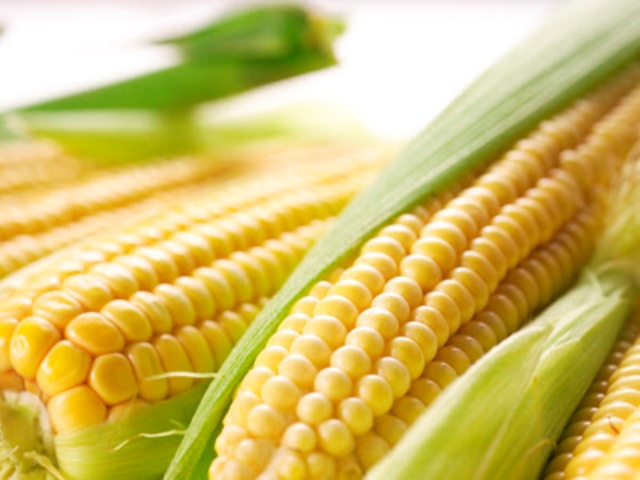
The Origins and Rise of a Global Super-Crop
Maize (Zea mays) was domesticated over 9,000 years ago in Mexico from a wild grass called teosinte. Indigenous peoples transformed it into a staple that sustained civilizations across the Americas. When it reached Europe, Africa, and Asia after the Columbian Exchange, maize adapted rapidly and became one of the most productive crops in human history.
Sweet corn itself is a relatively recent genetic variation. A natural mutation in the su1 gene (or similar supersweet varieties) slows the conversion of sugar to starch, allowing kernels to remain sweet and tender when harvested immature. Commercial sweet corn cultivation expanded in the 19th and 20th centuries, particularly in North America, for fresh, frozen, and canned markets.
Today, global corn production exceeds 1.3 billion metric tons annually, with the United States, China, and Brazil as top producers. Sweet corn forms a smaller but high-value segment. The global canned sweet corn market is valued at approximately USD 4.0–4.3 billion in 2025–2026 and is projected to grow steadily at a CAGR of around 4.2%, reaching over USD 5.5–6.2 billion by the mid-2030s. This growth is driven by demand for convenient, shelf-stable vegetables in urbanizing markets, food service efficiency, and the rise of ready-to-eat and processed foods.
Sweet Corn on the Table: Convenience, Nutrition, and Versatility
For everyday consumers and professional kitchens, canned sweet corn offers unmatched practicality. Unlike fresh corn, which has a narrow harvest window and loses sweetness quickly after picking, or frozen corn that requires thawing, canned sweet corn is ready to use straight from the pantry. It has a shelf life of up to 3 years, reduces food waste, and delivers consistent quality year-round.
Nutritionally, sweet corn provides dietary fiber, antioxidants (including lutein and zeaxanthin for eye health), B vitamins, and natural sugars. While fresh or frozen versions may edge out slightly in some vitamin retention studies, properly processed canned sweet corn retains most key nutrients. Many consumers rinse it to reduce sodium, making it an affordable, healthy addition to meals.
In food service and manufacturing, canned sweet corn shines for menu efficiency. It boosts salads, casseroles, chowders, tacos, fried rice, and baked goods without seasonal dependency or labor-intensive prep. Bulk sizes minimize waste and streamline operations in restaurants, commissaries, and processing plants.
Amoytop Foods offers premium canned sweet corn under our own brands and private label. Sourced from carefully selected non-GMO varieties harvested at peak ripeness, our products preserve the vibrant sweetness and tender-crisp kernels. Available specifications include:
· 24/340g
· 24/425g
· 6/2840g (and other bulk options like 2500g–3000g)
Ingredients are simple: sweet corn and water (with optional low sodium variants). Our products meet international standards including HACCP, IFS, ISO, HALAL, and more, ensuring safety and quality for export markets in Europe, the Americas, the Middle East, and beyond. Whether for retail shelves or high-volume food manufacturing, our canned sweet corn delivers reliability and natural flavor that elevates any dish.
The Industrial Backbone: How Maize (and Sweet Corn Genetics) Fuels Modernity
While sweet corn is the delicious ambassador we enjoy directly, the broader maize ecosystem quietly powers modern life. Roughly one-third of U.S. corn goes into fuel ethanol, producing 15–16 billion gallons annually that blend into gasoline as E10 or higher mixes. This domestic biofuel reduces oil dependence, supports rural economies, and improves octane ratings while lowering certain emissions.
Another major stream is high-fructose corn syrup (HFCS) and other sweeteners produced via wet milling. Corn starch is broken down enzymatically into glucose and then isomerized into fructose blends used in soft drinks, baked goods, sauces, and countless processed foods. Corn derivatives also appear in adhesives, textiles, pharmaceuticals, cosmetics, and even drywall or batteries.
One of the most exciting frontiers is bioplastics. Polylactic acid (PLA) is fermented from corn sugars into a renewable, compostable polymer used for cups, straws, food packaging, and 3D printing filament. As the world shifts away from petroleum plastics, corn-based materials offer a sustainable alternative that closes the loop from field to compost.
Distillers’ grains from ethanol production return as high-protein livestock feed, creating an efficient circular system. In total, corn appears in thousands of everyday items — from crayons and glue to hand sanitizers and fireworks. The industrial demand for maize ensures stable agricultural economies and drives innovation in biorefineries that turn one crop into food, fuel, and materials.
Sweet corn genetics contribute indirectly here too. Breeding programs that improve sweetness, yield, and disease resistance in sweet varieties often cross-pollinate insights with field corn development, enhancing overall maize productivity.
Why Canned Sweet Corn Is the Smart Choice for Buyers and Businesses
In a world of supply chain disruptions, climate variability, and rising demand for convenience, canned sweet corn stands out:
· Year-round availability — No seasonal gaps.
· Cost efficiency — Often more economical per serving than fresh or frozen when factoring in waste and labor.
· Shelf stability — Ideal for emergency preparedness, export, and inventory management.
· Versatility — Works across retail, food service, and industrial applications.
· Sustainability angle — Reduces food waste compared to fresh produce that spoils quickly; supports efficient global distribution.
Comparisons with frozen corn often favor canned for pure convenience and lower cost in many scenarios, while both outperform out-of-season fresh corn in accessibility and price. For importers, distributors, and manufacturers seeking consistent quality from a trusted China-based supplier, Amoytop Foods provides stable capacity, flexible packaging (including OEM/private label), and certifications that meet stringent market requirements.
Our production emphasizes speed and care: corn is typically processed within hours of harvest to lock in flavor. Cleaning, blanching, filling, sealing, and sterilization follow strict protocols to maintain texture and safety. The result is a product that tastes close to fresh-picked while offering the practicality modern life demands.
Global Market Trends and Opportunities
The canned sweet corn sector benefits from broader trends: urbanization, busy lifestyles, growth in convenience foods, and interest in plant-based or vegetable-forward diets. Emerging markets in Asia, Latin America, and Africa are increasing imports of affordable, shelf-stable vegetables. Developed markets value the reliability for private label brands and food service chains.
China remains a major player in canned vegetable exports, with companies like Amoytop Foods leveraging advanced processing facilities in Fujian and other regions. We combine local sourcing strengths with international quality systems to serve diverse customers — from supermarkets needing retail cans to bulk buyers requiring large-format packaging for further processing.
Looking ahead, innovations in low-sodium, organic-adjacent, or enhanced-nutrition variants, along with sustainable packaging, will further expand the category. As biofuel and bioplastic demand grows, the entire maize value chain strengthens, indirectly supporting sweet corn production through shared agricultural infrastructure and research.
Conclusion: A Super-Crop in Your Pantry
Sweet corn quietly drives the modern world far beyond the summer barbecue. Its industrial cousins power cars, sweeten global beverages, and pioneer renewable materials. Yet the direct, joyful experience of sweet, juicy kernels in your favorite recipes comes from carefully cultivated and processed sweet corn — the approachable superstar of the maize family.
At Amoytop Foods, we are proud to supply premium canned sweet corn that brings this super-crop’s natural goodness to tables and operations worldwide. With reliable quality, flexible specifications, and a commitment to food safety and customer success, we help businesses and consumers enjoy the sweetness and convenience that only well-made canned sweet corn can deliver.
Next time you reach for a can, remember: you’re not just adding a vegetable to your meal. You’re tapping into a global agricultural powerhouse that has shaped economies, diets, and innovation for centuries — and continues to fuel the future.
Ready to incorporate high-quality canned sweet corn into your product line or menu? Contact Amoytop Foods today for specifications, samples, or customized solutions. Let our sweet corn help power your success — from the dinner table to industrial applications.