

Introduction to Water Chestnuts and the Canned Conundrum
Water chestnuts, scientifically known as Eleocharis dulcis, are not actually nuts but rather the edible corms of a grass-like aquatic plant native to Asia. They have been a staple in Chinese cuisine for centuries, prized for their crisp texture and subtly sweet, nutty flavor when fresh. In their raw form, water chestnuts offer a satisfying crunch reminiscent of fresh apples or jicama, with a mild taste that absorbs flavors from surrounding ingredients beautifully. However, the convenience of canned water chestnuts often comes at a cost to their sensory appeal.
Canned water chestnuts are widely available in supermarkets worldwide, making them an accessible ingredient for home cooks. They are peeled, sliced, or diced and preserved in water or brine, which extends their shelf life significantly. Yet, many people find them disappointing straight out of the can. Common complaints include a bland, almost flavorless profile, a mushy or overly soft texture, and sometimes a faint metallic aftertaste from the canning process. This is largely due to the high-heat sterilization and the liquid they're packed in, which can dilute their natural sweetness and impart unwanted flavors.
The good news is that with a few simple techniques and creative approaches, you can transform these humble canned gems into a delightful addition to your meals. This article explores various methods to enhance the taste of canned water chestnuts, from basic preparation to advanced culinary applications. We'll cover rinsing and draining, cooking methods, seasoning strategies, recipe ideas, and even storage tips to maintain improved flavors. By the end, you'll have a comprehensive toolkit to elevate this underrated ingredient. Whether you're a novice cook or a seasoned chef, these tips can help you rediscover the potential of canned water chestnuts.
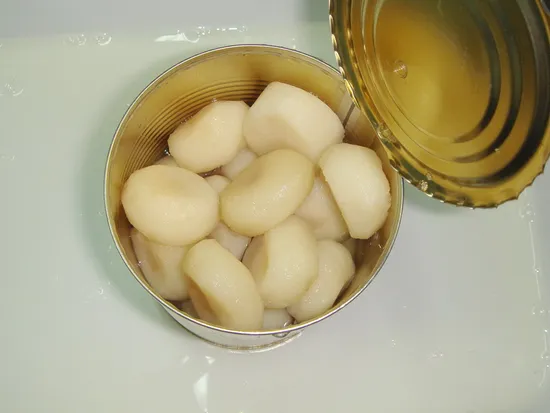
Improving the taste isn't just about masking flaws; it's about amplifying their inherent qualities. Fresh water chestnuts are crunchy and mildly sweet, and while canning softens them, proper handling can restore some of that appeal. Nutritionally, water chestnuts are low in calories (about 97 per 100 grams), high in fiber, and provide potassium, vitamin B6, and antioxidants. Enhancing their flavor encourages incorporating them into diets for better health benefits, such as aiding digestion and supporting heart health.
Basic Preparation: The Foundation of Flavor Enhancement
Before diving into complex recipes, start with the basics. Proper preparation is key to removing any off-putting elements from canned water chestnuts.
First and foremost, always rinse them thoroughly. Open the can and drain the liquid, which often contains preservatives like citric acid or salt that can contribute to a tinny taste. Place the chestnuts in a colander and rinse under cold running water for at least 30 seconds. This simple step washes away excess sodium and any metallic residues, resulting in a cleaner, more neutral base flavor.
For an extra boost, soak them in fresh water. After rinsing, submerge the chestnuts in a bowl of cold water for 10-15 minutes. This allows them to rehydrate slightly and further dilute any lingering canned flavors. If you're dealing with sliced or diced varieties, gently agitate the water to ensure even exposure. Pat them dry with a paper towel afterward to prevent sogginess in cooking.
Another tip is to blanch them briefly. Bring a pot of water to a boil, add the rinsed chestnuts, and cook for 1-2 minutes. Then, immediately transfer them to an ice bath to stop the cooking process. Blanching not only refreshes the texture but also enhances their ability to absorb seasonings later. This method is particularly useful if the chestnuts feel overly soft, as the shock of cold water can firm them up.
Consider the type of canned water chestnuts you buy. Opt for those packed in water rather than brine to minimize saltiness. Brands like La Choy or generic Asian market varieties often have better quality control, but always check the expiration date to avoid oxidized flavors.
These preparatory steps alone can improve the taste by 50% or more, according to anecdotal reports from home cooks on forums like Reddit. They set the stage for more advanced enhancements, ensuring that your efforts in seasoning and cooking yield the best results.
Cooking Techniques to Revive Texture and Flavor
Cooking is where the magic happens. The right method can turn bland canned water chestnuts into crispy, flavorful bites.
Stir-frying is one of the most effective techniques. Heat a wok or skillet over high heat with a neutral oil like vegetable or sesame oil. Add the prepared chestnuts and stir-fry for 2-3 minutes until they develop a slight char. This caramelizes their natural sugars, adding depth and a nutty aroma. Pair them with garlic, ginger, and vegetables like bell peppers or broccoli for a classic Asian-inspired dish. The high heat preserves some crunch while infusing flavors.
Roasting offers a hands-off approach. Preheat your oven to 400°F (200°C). Toss rinsed and dried chestnuts with oil, salt, and spices, then spread them on a baking sheet. Roast for 15-20 minutes, flipping halfway, until golden and crisp around the edges. Roasting concentrates flavors and evaporates excess moisture, resulting in a firmer texture. Experiment with additions like chili flakes for heat or honey for sweetness.
Pickling is an underrated method for long-term flavor improvement. Slice the chestnuts and immerse them in a brine made from equal parts vinegar and water, with sugar, salt, and spices like star anise or peppercorns. Let them sit in the fridge for at least 24 hours. Pickled water chestnuts gain a tangy, vibrant taste that's perfect for salads or as a snack. This technique masks any canned aftertaste with acidity and aromatics.
Grilling or broiling can add smokiness. Thread sliced chestnuts onto skewers, brush with oil, and grill for 4-5 minutes per side. The char from the grill imparts a smoky flavor that's absent in the canned version. For indoor options, broil them under high heat for similar results.
Deep-frying transforms them into crunchy treats. Coat in a light batter (flour, cornstarch, and water) and fry at 350°F (175°C) until golden. This creates a crispy exterior while keeping the inside tender. Season immediately after frying with salt or spices for maximum adhesion.
Each technique addresses different aspects: stir-frying for quick infusion, roasting for concentration, pickling for tang, and frying for texture contrast. Combining methods, like stir-frying roasted chestnuts, can layer flavors complexly.
Seasoning Strategies: Infusing Depth and Variety
Seasonings are the artist's palette for flavor enhancement. Start with basics and build from there.
Salt and pepper are foundational, but use sea salt or kosher salt for better texture. A pinch enhances natural sweetness without overpowering.
Acidic elements like lemon juice, lime, or vinegar brighten the mild flavor. Squeeze fresh citrus over stir-fried chestnuts or add rice vinegar to pickling brines.
Umami boosters such as soy sauce, miso, or fish sauce add savory depth. Marinate chestnuts in soy sauce for 30 minutes before cooking to let the flavors penetrate.
Herbs and spices offer endless variety. Fresh cilantro, basil, or mint provide freshness; dried cumin, coriander, or paprika add warmth. For heat, incorporate chili powder, sriracha, or fresh chilies.
Sweet elements balance blandness. A drizzle of honey, maple syrup, or agave during roasting caramelizes the surface.
Aromatics like garlic, onions, and ginger are essential. Sauté them first to create a flavorful base, then add chestnuts.
For fusion twists, try Italian seasonings (oregano, thyme) for Mediterranean dishes or curry powder for Indian-inspired curries.
Experiment with infusions: soak in broth or tea (green or oolong) for subtle notes.
Layer seasonings: apply some before cooking for penetration and others after for brightness.
Nutritional yeast or cheese can add cheesiness for vegan or dairy options.
These strategies allow customization based on dietary needs, like low-sodium or gluten-free.
Recipe Ideas: Putting It All Together
To illustrate, here are detailed recipes showcasing improved canned water chestnuts.
Recipe 1: Crispy Stir-Fried Water Chestnuts with Vegetables (Serves 4, Prep Time: 15 min, Cook Time: 10 min)
Ingredients: 1 can (8 oz) sliced water chestnuts, rinsed and drained; 2 tbsp vegetable oil; 1 bell pepper, sliced; 1 carrot, julienned; 2 garlic cloves, minced; 1-inch ginger, grated; 2 tbsp soy sauce; 1 tsp sesame oil; Sesame seeds for garnish.
Instructions: Heat oil in a wok. Add garlic and ginger, stir for 30 seconds. Add vegetables and chestnuts, stir-fry 5 minutes. Add soy sauce and sesame oil, cook 2 more minutes. Garnish with seeds. This dish highlights crunch and umami.
Recipe 2: Roasted Water Chestnut Salad (Serves 2, Prep Time: 10 min, Cook Time: 20 min)
Ingredients: 1 can whole water chestnuts, rinsed; 1 tbsp olive oil; Salt and pepper; Mixed greens; Cherry tomatoes; Cucumber; Vinaigrette (oil, vinegar, mustard).
Instructions: Toss chestnuts with oil, salt, pepper. Roast at 400°F for 20 min. Cool, slice, and mix with salad ingredients. Dress with vinaigrette. The roasting adds nutty flavor to the fresh salad.
Recipe 3: Pickled Water Chestnut Appetizer (Makes 1 jar, Prep Time: 10 min, Marinate: 24 hrs)
Ingredients: 1 can diced water chestnuts; 1/2 cup rice vinegar; 1/2 cup water; 2 tbsp sugar; 1 tsp salt; Spices (chili flakes, garlic).
Instructions: Boil vinegar, water, sugar, salt, spices. Pour over chestnuts in a jar. Refrigerate 24 hours. Serve as is or in wraps. Tangy and addictive.
Recipe 4: Deep-Fried Water Chestnut Bites (Serves 4, Prep Time: 15 min, Cook Time: 10 min)
Ingredients: 1 can sliced chestnuts; 1/2 cup flour; 1/4 cup cornstarch; Water for batter; Oil for frying; Dipping sauce (sweet chili).
Instructions: Mix batter, coat chestnuts, fry until golden. Drain and serve with sauce. Crispy outside, tender inside.
These recipes demonstrate versatility in appetizers, sides, and mains.
Storage and Additional Tips for Long-Term Improvement
Proper storage maintains enhanced flavors. After opening, transfer to an airtight container with fresh water, refrigerate, and use within 3-5 days. For longer, freeze in portions after blanching.
Buy in bulk and prepare in batches: rinse, blanch, and store for quick use.
Pair with complementary ingredients: proteins like chicken or tofu, or grains like rice.
Avoid overcooking to prevent mushiness.
For dietary adaptations: use low-sodium soy for heart health, or add to keto diets for low-carb crunch.
Sustainability note: Choose sustainably sourced cans to support eco-friendly farming.
Troubleshooting: If still bland, double-check rinsing; if mushy, opt for shorter cooking times.
Conclusion: Embracing the Potential of Canned Water Chestnuts
Canned water chestnuts may start off unassuming, but with rinsing, thoughtful cooking, creative seasonings, and inspiring recipes, they can become a star ingredient. From stir-fries to salads, the possibilities are vast. Experiment, taste as you go, and soon you'll wonder why you ever overlooked them. Improving their taste not only enhances meals but also promotes healthier, more adventurous eating. So, grab a can and start transforming!