

Pineapple is one of those fruits that instantly evokes tropical vibes—bright, juicy, tangy, and sweet all at once. Whether you're adding it to a smoothie, topping a pizza (yes, we're going there), mixing it into salsa, or just eating it straight, pineapple delivers a burst of flavor that's hard to beat. But when it's time to grab some, many people face the same dilemma: should you go for a fresh, whole pineapple or reach for the convenient can on the shelf?
The debate between fresh and canned pineapple isn't just about convenience versus "authenticity." It touches on taste, texture, nutrition, health benefits, cost, availability, and even how the fruit performs in cooking or baking. In this post, we'll break it all down head-to-head so you can decide which version truly deserves the crown.
Taste and Texture: The Sensory Showdown
Let's start with what hits you first—the flavor and mouthfeel.
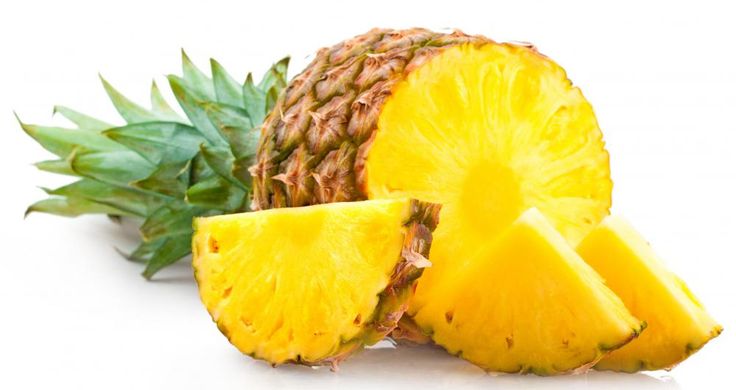
Fresh pineapple offers an explosive, vibrant taste profile. When ripe, it strikes a perfect balance between bright acidity (that signature tang) and natural sweetness. The flavor is complex: floral notes, citrus-like zing, and a subtle tropical depth that canned versions struggle to replicate. The texture is crisp and juicy, with a satisfying crunch from the fibrous cells. Each bite feels alive and refreshing, especially if you eat it at peak ripeness.
Canned pineapple, by contrast, tends to be more consistent but milder. The canning process involves heat, which softens the fruit and mellows the sharp acidity. What you get is sweeter overall (even in "no added sugar" versions, because the natural sugars concentrate a bit), with less tang and a more uniform, almost candy-like sweetness. Texture-wise, it's softer—sometimes described as "floppy" or tender—lacking the crisp snap of fresh. In blind taste tests, most people describe fresh as more "real" or "authentic," while canned feels processed.
That said, canned pineapple shines in certain contexts. Its subdued flavor and softer texture make it ideal for baking, where fresh pineapple's enzymes and high moisture can turn batters mushy or interfere with gelatin-based desserts.
Verdict on taste/texture: Fresh wins for eating raw or in fresh applications (salads, smoothies, snacking). Canned often performs better in cooked or baked dishes.
Nutrition Comparison: What Do the Numbers Say?
Pineapple is celebrated for being low-calorie yet nutrient-dense. But processing changes things.
A standard serving (about 1 cup or 165g chunks):
· Fresh pineapple:
o Calories: ~82–83
o Carbs: ~22g
o Sugars: ~16g (all natural)
o Fiber: ~2.3g
o Vitamin C: ~79mg (88–100% DV)
o Manganese: ~1.5mg (65–80% DV)
o Vitamin B6, copper, potassium, magnesium in solid amounts
Fresh pineapple also contains bromelain, a proteolytic enzyme unique to pineapple (highest in the core and stem). Bromelain aids digestion by breaking down proteins, reduces inflammation, may ease arthritis symptoms, and supports immune function.
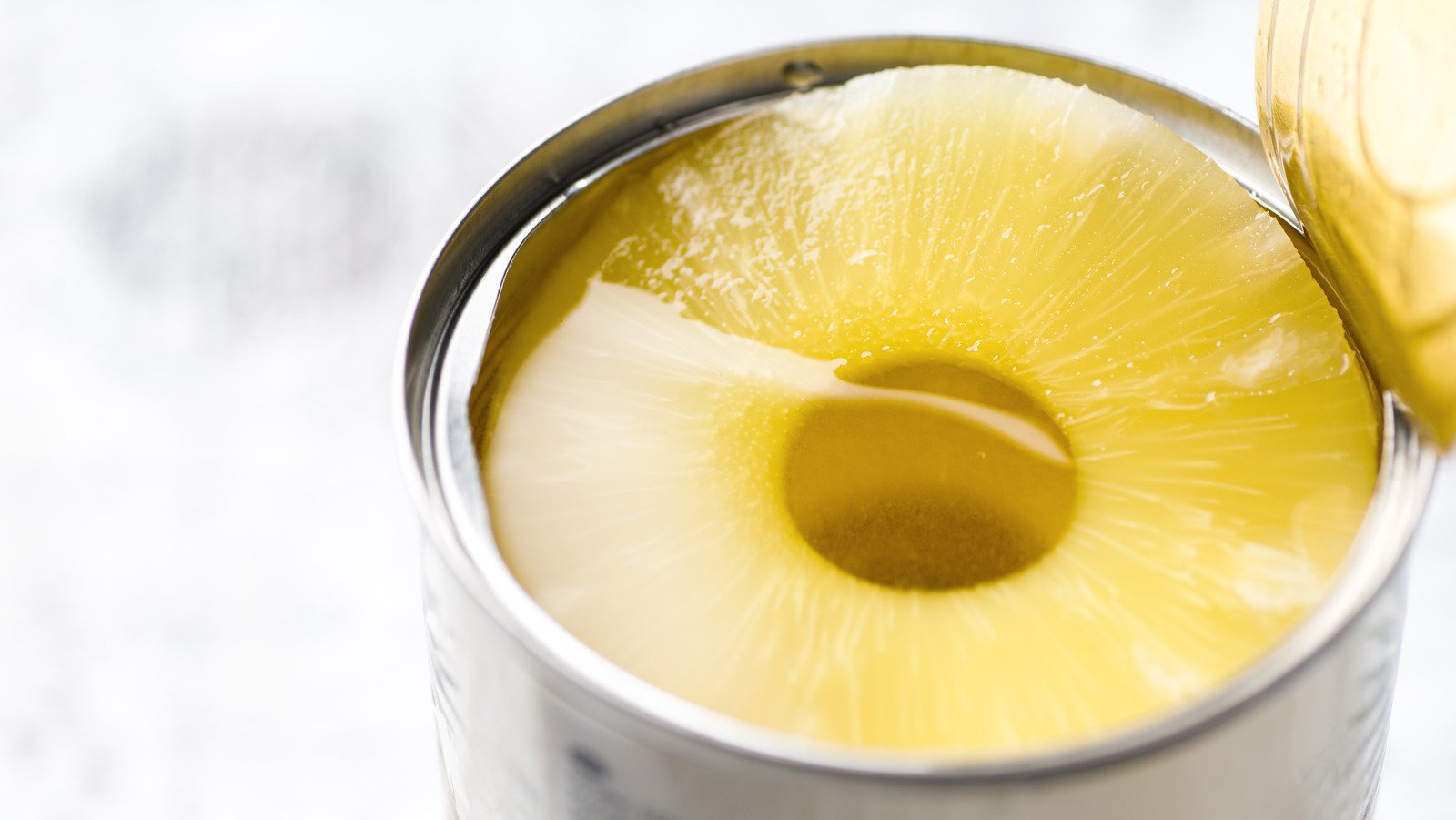
· Canned pineapple (in juice, drained):
o Calories: ~100–140 (higher due to denser packing and residual juice)
o Carbs: ~25–35g
o Sugars: ~20–33g (natural + sometimes added)
o Fiber: ~2g
o Vitamin C: ~30–50mg (often 40–60% of fresh levels, as heat degrades it)
o Manganese: still good, though slightly lower
The biggest nutritional hits come from heat processing:
· Vitamin C drops significantly (sometimes to 1/5th or less in heavily processed versions).
· Bromelain is essentially destroyed—canned pineapple has little to none.
· If packed in heavy syrup, added sugars push calories and sugar content much higher (avoid these when possible).
· Versions "in juice" or "no added sugar" fare better, retaining more nutrients than syrup-packed.
Interestingly, some studies show canned pineapple can still support immunity and even increase certain immune markers in children when consumed regularly. But overall, fresh retains far more heat-sensitive compounds.
Verdict on nutrition: Fresh is clearly superior, especially for vitamin C, bromelain, and overall nutrient density. Choose canned in juice (drained) as a decent runner-up.
Health Benefits: Fresh Edges Out, But Canned Isn't Useless
Pineapple's perks come largely from its antioxidants, vitamin C, manganese (bone health), and bromelain.
Fresh pineapple maximizes these:
· Stronger immune support via higher vitamin C.
· Better anti-inflammatory and digestive effects from intact bromelain.
· Potential benefits for recovery after exercise or surgery (though doses from food are modest compared to supplements).
Canned pineapple loses bromelain entirely and much vitamin C, but it retains fiber, manganese, and some antioxidants. The convenience means you're more likely to eat it regularly, which counts for something. Avoid syrup-packed versions to prevent excess added sugar, which can offset benefits.
Both forms contribute to hydration (high water content) and provide polyphenols with antioxidant effects.
Verdict on health: Fresh is best for targeted benefits like digestion and inflammation. Canned still offers solid general fruit nutrition.
Convenience, Cost, and Availability
Fresh pineapple requires effort: selecting a ripe one (smell the base for sweetness, check for heavy feel and green leaves), cutting it (messy if you're not practiced), and using it quickly (lasts ~5–7 days refrigerated).
Canned pineapple is pantry-stable for years, pre-cut, ready-to-eat, and consistent in quality—no bad batches.
Cost-wise, canned often wins per serving, especially off-season when fresh imports get pricey. In many regions, a can costs less than a whole fresh pineapple.
Availability: Canned is year-round everywhere; fresh is seasonal in some places but increasingly available pre-cut.
Verdict: Canned dominates convenience and reliability.
Best Uses for Each
· Fresh pineapple shines in:
o Snacking straight
o Fruit salads and smoothies
o Salsas, ceviche, grilled skewers
o Juicing or fresh pineapple juice
o Any raw application where zing and crunch matter
· Canned pineapple excels in:
o Baking (upside-down cake, muffins—enzymes in fresh can ruin gelatin or dough)
o Pizza toppings (sweeter, less watery)
o Stir-fries, sweet-and-sour dishes
o Quick desserts or cocktails
o When fresh isn't available/affordable
The Final Verdict: Which Is Best?
There's no universal winner—it depends on your priorities.
If you're chasing maximum flavor vibrancy, peak nutrition (especially vitamin C and bromelain), and that authentic tropical experience, fresh pineapple is best. It's the clear champion for health-focused eaters, raw preparations, and anyone who enjoys the ritual of cutting fruit.
If you value convenience, consistency, year-round access, lower effort, and better performance in cooked/baked recipes, canned pineapple (in juice, no added sugar) is often the smarter, practical choice.
In an ideal world, keep both in your kitchen: fresh when you can splurge on time and quality, canned as your reliable backup.
What's your go-to? Do you always reach for fresh, or has a killer canned pineapple recipe won you over? Drop your thoughts in the comments—I'd love to hear your favorites!