

Baby corn, that adorable miniature ear of corn often spotted in Asian stir-fries and takeout containers, is more than just a cute vegetable—it's a nutritional powerhouse in a convenient package. Harvested from regular corn plants before the ears fully mature and pollinate, baby corn is picked at a tender stage when the kernels are tiny and the cob itself is edible. While fresh baby corn is a seasonal delight with superior crunch and flavor, canned baby corn has become a pantry staple worldwide. Imported primarily from Asia and preserved through a simple canning process (typically in water, salt, or brine), it offers year-round accessibility without the hassle of shucking or quick spoilage.
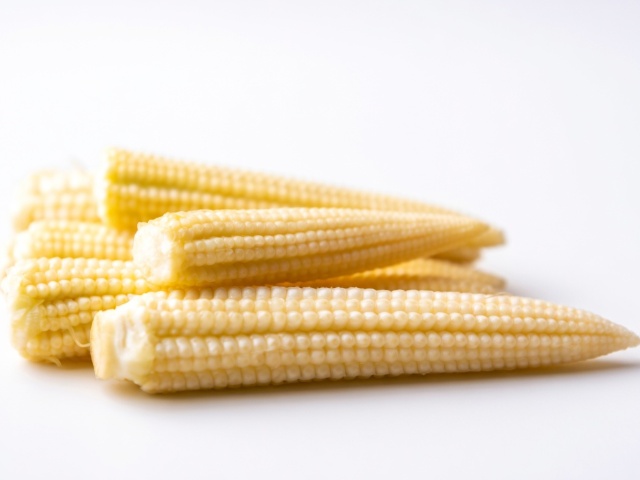
In today's fast-paced world, where convenience often clashes with health goals, canned baby corn stands out as an underappreciated hero. It delivers essential nutrients, supports multiple aspects of wellness, and transforms everyday meals with minimal effort. Despite perceptions that canned vegetables lose significant value, modern canning techniques lock in much of the goodness—fiber, vitamins, and minerals—right at peak freshness. This article dives deep into the multifaceted benefits of canned baby corn, from its impressive nutritional profile to practical kitchen applications, health impacts, and even broader lifestyle advantages. Whether you're a busy professional, a health-conscious parent, or an adventurous home cook, incorporating this versatile ingredient could elevate your diet in surprising ways. Let's explore why canned baby corn deserves a permanent spot in your shopping cart.
A Nutritional Powerhouse in Every Can
At first glance, canned baby corn might seem like a simple side dish, but its nutrient density punches well above its weight. Per 100 grams (roughly a generous serving), it clocks in at just 26–30 calories, with only 5–6 grams of carbohydrates, 2 grams of protein, less than 0.5 grams of fat, and a solid 2 grams of dietary fiber. This makes it exceptionally low in energy density while providing satisfying volume—ideal for those watching their intake without feeling deprived.
Key vitamins and minerals shine through in the data. A 4-ounce (113-gram) serving supplies about 31% of the recommended daily allowance (RDA) for folate (vitamin B9), 13% for potassium, 14% for vitamin B6, 10% for riboflavin (B2), 17% for vitamin C, and 11% for fiber. These figures are derived from standard food composition tables and hold reasonably well for canned varieties, though slight losses in heat-sensitive nutrients like vitamin C can occur during processing. Baby corn also contains beta-carotene (a precursor to vitamin A), trace iron, magnesium, and antioxidants such as ferulic acid—a phenolic compound with notable protective properties.
Compared to mature sweet corn, baby corn has a lower glycemic index, meaning it releases energy more steadily and contributes fewer overall carbohydrates to your daily tally. It's naturally gluten-free, low in sodium if rinsed (a quick tip: always drain and rinse canned baby corn under cold water to cut excess salt from preservation), and free of added sugars in most brands. The pale color indicates lower carotenoid levels than yellow mature corn, but what it lacks in vibrancy, it makes up for in concentrated fiber and micronutrients packed into its compact form.
Canning preserves these elements effectively. Unlike fresh produce that may sit in transit for days, losing nutrients over time, canned baby corn is processed shortly after harvest. Studies on canned vegetables generally show that fiber, minerals, and fat-soluble vitamins remain stable, while water-soluble ones like vitamin C are retained at levels comparable to or better than supermarket-fresh options that have traveled far. For the average consumer in urban settings like Singapore, where fresh baby corn availability can be inconsistent, the canned version ensures reliable nutrition without seasonal limitations.
Health Benefits: From Digestion to Disease Prevention
The true value of canned baby corn emerges when you examine its role in supporting overall health. Its high fiber content is a standout feature. Soluble and insoluble fibers work together to promote digestive regularity, preventing constipation and hemorrhoids while potentially lowering the risk of colon cancer through improved gut motility and toxin elimination. That 2 grams of fiber per 100 grams adds bulk to meals, fostering a healthy microbiome and aiding in smoother digestion—especially beneficial for those with busy lifestyles who might otherwise skimp on veggies.
Weight management enthusiasts will appreciate its low-calorie profile. With minimal fat and carbs, canned baby corn creates a feeling of fullness that curbs overeating. The fiber slows digestion, stabilizing blood sugar and reducing cravings. For individuals managing diabetes or insulin resistance, its lower glycemic index compared to regular corn helps maintain steady glucose levels without sharp spikes. Pair it with lean proteins or healthy fats, and it becomes a diabetes-friendly staple that provides sustained energy.
Eye health gets a boost too. Beta-carotene converts to vitamin A, essential for vision maintenance and reducing the risk of night blindness. While baby corn isn't as carotenoid-rich as mature yellow corn, it still contributes lutein and zeaxanthin-like compounds that filter harmful blue light and support retinal health—crucial in our screen-heavy era.
Pregnancy support is another compelling angle. The high folate content plays a critical role in fetal neural tube development, helping prevent birth defects. Vitamin B6 in baby corn has been linked in studies to alleviating morning sickness and nausea, making it a gentle, natural option for expectant mothers seeking relief without heavy medication.
Cardiovascular benefits round out the profile. Potassium helps regulate blood pressure by countering sodium's effects, while fiber lowers LDL (bad) cholesterol. Antioxidants combat oxidative stress and inflammation, potentially reducing risks of heart disease. Some research highlights ferulic acid's anti-tumor properties, suggesting broader protective effects against certain cancers, though more human studies are needed. Skin health improves via antioxidants that fight free radicals, promoting a youthful glow and resilience against environmental damage.
For children and picky eaters, the mild, slightly sweet flavor and fun, crunchy texture make it an easy win. It's kid-friendly in dishes where stronger veggies get rejected, supporting growth with iron for blood health and magnesium for muscle and nerve function. Overall, these benefits position canned baby corn as a smart, everyday superfood—accessible, affordable, and aligned with balanced eating patterns recommended by global health authorities.
Convenience: The Ultimate Time-Saver
One of the most practical benefits of canned baby corn is its sheer convenience. Unlike fresh counterparts that require husking, quick consumption, and refrigeration (lasting only about a week), canned versions boast a shelf life of 1–2 years or more when unopened. No peeling, no blanching—just open, rinse, and use. This is a game-changer for meal prepping, emergency pantries, or last-minute dinners.
In humid climates or regions with limited fresh produce imports, canned baby corn ensures consistent supply. It's lightweight, portable, and travel-friendly for camping or office lunches. Busy families or singles benefit from zero-prep versatility: it heats in minutes or eats cold straight from the can. Economically, it's budget-friendly—often cheaper per serving than fresh or frozen alternatives—making nutrient-dense eating accessible across income levels.
Sustainability-wise, canning reduces food waste by preserving surplus harvests. While transportation from producing regions adds a carbon footprint, the long shelf life minimizes household spoilage, which accounts for significant global food loss. Many brands now use BPA-free cans, and some offer organic or low-sodium options, aligning with eco-conscious choices.
Culinary Versatility: Endless Recipe Possibilities
Canned baby corn's neutral yet subtly sweet taste and crisp texture make it incredibly adaptable. The entire ear is edible—no tough husks or strings—adding delightful crunch without overpowering other flavors.
In Asian-inspired dishes, it's a classic: toss drained baby corn into stir-fries with broccoli, carrots, bell peppers, and your choice of protein in a savory sauce of soy, garlic, and ginger. It shines in Thai curries, pad Thai variations, or hot-and-sour soups, absorbing broths beautifully.
For Western twists, incorporate it into salads for visual appeal and bite—mix with greens, cherry tomatoes, feta, and a lemon vinaigrette. Pasta dishes gain texture when baby corn is added to primavera or pesto sauces. Soups and stews benefit from its quick cooking time; drop it in near the end to retain crunch.
Creative ideas abound:
· Quick Side Dish: Sauté rinsed baby corn in sesame oil with garlic and chili flakes for a 5-minute Asian flair.
· Roasted Snack: Drain, pat dry, toss with olive oil, paprika, cumin, and lemon zest; roast at 200°C (400°F) for 15–20 minutes until golden. Sprinkle with herbs for a guilt-free appetizer.
· Pickled Delight: Submerge in a brine of vinegar, sugar, and spices for tangy refrigerator pickles—perfect on charcuterie boards.
· Air-Fryer Crisps: Coat with cornstarch and seasonings; air-fry at 190°C (375°F) for 12–15 minutes for a crunchy, low-oil treat.
· Egg or Rice Boost: Chop into omelets, fried rice, or casseroles for added nutrition and fun shapes.
Deep-fry for tempura-style bites, grill on skewers with marinades, or blend into cornbread batter for subtle sweetness. Its miniature size appeals to kids—try "baby corn ribs" roasted with smoked paprika and lime for a playful twist on elote. With over a dozen ways to use it, canned baby corn prevents meal monotony while boosting veggie intake effortlessly.
Addressing Concerns and Maximizing Benefits
No food is perfect, and canned baby corn has minor caveats. Sodium levels in some brands can reach 200–500 mg per serving due to preservation—always rinse thoroughly and opt for low-sodium varieties. Fresh baby corn may retain marginally higher nutrient levels and superior texture, but the differences are often negligible for daily use, and convenience frequently outweighs them. Moderation is key for those with sensitive digestion, as high fiber can cause temporary bloating if introduced suddenly.
To maximize benefits, store opened cans in the fridge (use within 3–4 days) and pair with complementary foods: vitamin C-rich ingredients enhance iron absorption, while healthy fats improve carotenoid uptake.
Conclusion: Embrace Canned Baby Corn for a Healthier, Easier Life
Canned baby corn isn't just a filler ingredient—it's a smart, beneficial addition that delivers nutrition, convenience, and culinary excitement in one compact form. From supporting digestion and weight goals to enhancing eye health, pregnancy wellness, and heart function, its advantages are backed by its impressive vitamin, mineral, and fiber profile. In a world demanding quick yet wholesome options, it bridges the gap between health ideals and real-life demands.
Next time you're at the grocery store, grab a few cans. Experiment in your next stir-fry, salad, or snack rotation. You'll discover not only better meals but a practical step toward sustained well-being. Canned baby corn proves that sometimes, the smallest things—like these tiny ears—offer the biggest rewards. Stock up, get creative, and reap the benefits today.