

Meta Title: Do Canned Mushrooms Have a Different Color Than Fresh Mushrooms? A Complete Guide for Buyers
Meta Description: Learn why canned mushrooms often look different from fresh mushrooms, what causes color changes during processing, whether color affects quality, and how to choose premium canned mushrooms for your business.
Keywords: canned mushrooms, fresh mushrooms, mushroom color, canned champignon mushrooms, mushroom processing, canned mushroom manufacturer, mushroom wholesale, canned mushroom supplier
Do Canned Mushrooms Have a Different Color Than Fresh Mushrooms?
If you've ever opened a can of mushrooms and compared them with freshly harvested mushrooms, you've probably noticed one obvious difference—the color. Fresh mushrooms usually appear bright white, creamy beige, or light brown, while canned mushrooms often have a slightly darker cream, ivory, or light tan appearance.
Many consumers wonder:
· Are canned mushrooms older?
· Does the darker color mean lower quality?
· Are nutrients lost because of the color change?
· Is discoloration a sign of spoilage?
The simple answer is yes, canned mushrooms usually have a different color than fresh mushrooms, but this is completely normal and expected. The difference comes from the canning process rather than poor quality.
In this article, we'll explain why canned mushrooms change color, how manufacturers control appearance, what buyers should expect, and why color alone should never be used as the only indicator of quality.
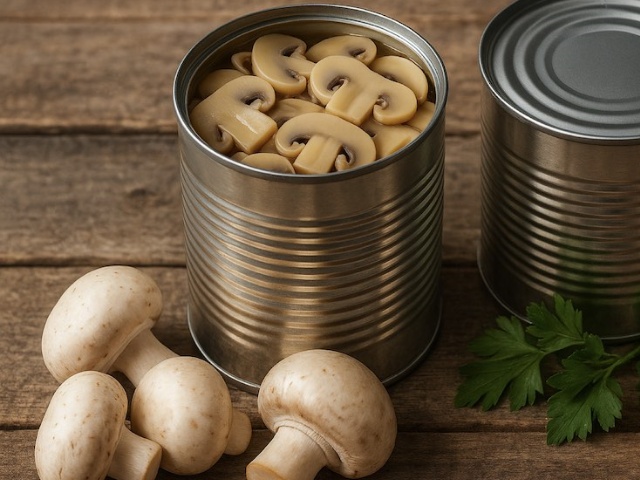
Understanding the Natural Color of Fresh Mushrooms
Fresh mushrooms are living organisms. Even after harvesting, they continue to breathe, absorb oxygen, and undergo natural biochemical reactions.
The most common commercial mushroom varieties include:
· White Button Mushrooms
· Cremini Mushrooms
· Portobello Mushrooms
· Shiitake Mushrooms
· Oyster Mushrooms
Among these, white button mushrooms (Agaricus bisporus) are the most widely canned worldwide.
Fresh white mushrooms typically have:
· Bright white caps
· Firm texture
· Smooth surface
· Minimal spotting
· Slight cream-colored stems
However, this appearance starts changing shortly after harvest.
Why Do Mushrooms Change Color?
Mushrooms naturally contain enzymes called polyphenol oxidases.
When mushrooms are exposed to:
· Air
· Cutting
· Bruising
· Washing
· Heat
these enzymes react with oxygen.
This process is called enzymatic browning.
It is similar to what happens when:
· Apples turn brown
· Potatoes darken
· Bananas develop brown spots
· Avocados lose their green color
The color change is completely natural.
What Happens During the Canning Process?
Canning involves several important processing steps designed to preserve mushrooms safely for years.
The process usually includes:
1. Harvesting
2. Sorting
3. Washing
4. Trimming
5. Slicing (if required)
6. Blanching
7. Filling into cans
8. Adding brine
9. Vacuum sealing
10. High-temperature sterilization
11. Cooling
12. Inspection
Each step affects the final appearance.
Blanching Changes the Color
Before mushrooms enter the can, they are briefly heated in hot water or steam.
Blanching serves several purposes:
· Removes dirt
· Inactivates browning enzymes
· Reduces microorganisms
· Improves shelf stability
· Preserves texture
During blanching, the bright white surface becomes slightly cream-colored.
This is the first noticeable color change.
Sterilization Causes Additional Color Changes
The biggest color difference happens during sterilization.
Commercial canned mushrooms are heated at temperatures above 115–121°C under pressure.
This process:
· Eliminates harmful bacteria
· Creates commercial sterility
· Extends shelf life
· Makes mushrooms safe without refrigeration
Heat naturally changes pigments and proteins.
As a result, mushrooms often become:
· Ivory
· Cream
· Light beige
· Light tan
Premium canned mushrooms rarely remain snow white after sterilization.
Oxygen Also Influences Color
Even with vacuum sealing, a very small amount of oxygen remains inside the container before processing.
During sterilization:
· Oxygen reacts with natural mushroom compounds.
· Some pigments oxidize.
· Slight darkening occurs.
Modern vacuum technology minimizes this effect but cannot eliminate it entirely.
Does Color Mean Lower Quality?
Absolutely not.
Color alone does not determine mushroom quality.
Professional buyers evaluate canned mushrooms using many factors:
· Uniform size
· Clean appearance
· Firm texture
· Good flavor
· Pleasant aroma
· Low defect rate
· Proper drained weight
· Vacuum level
· Can integrity
Many premium canned mushrooms have a cream-colored appearance rather than bright white.
Can White Mushrooms Stay White After Canning?
Manufacturers work hard to preserve a light color.
Several techniques help:
Careful Harvest Timing
Young mushrooms are naturally whiter.
Older mushrooms become darker.
Harvesting at the correct maturity improves appearance.
Rapid Processing
The shorter the time between harvesting and canning, the lighter the finished product.
Premium factories often process mushrooms within hours after harvest.
Gentle Washing
Removing soil quickly without excessive mechanical damage reduces bruising.
Proper Blanching
Optimized blanching prevents excessive enzymatic browning.
Too little blanching allows enzymes to continue working.
Too much blanching causes unnecessary color loss.
Controlled Sterilization
Modern retorts precisely control:
· Temperature
· Pressure
· Time
This minimizes excessive darkening while ensuring food safety.
Why Do Some Canned Mushrooms Look Darker Than Others?
Several factors influence color.
Mushroom Variety
Different varieties naturally have different colors.
For example:
· White Button → light cream
· Cremini → brown
· Shiitake → dark brown
Harvest Age
Older mushrooms contain more pigments.
They may produce darker canned products.
Growing Conditions
Weather, humidity, and soil influence mushroom appearance before harvest.
Processing Time
Long delays between harvest and canning allow additional browning.
Storage Conditions
Improper storage before processing can increase discoloration.
Does the Liquid Affect Mushroom Color?
Yes.
Most canned mushrooms are packed in brine.
The liquid contains:
· Water
· Salt
· Sometimes citric acid
· Sometimes ascorbic acid
These ingredients help stabilize color.
The mushrooms may appear darker while submerged because the liquid changes how light reflects.
After draining, many mushrooms appear lighter.
Is Color Related to Taste?
Not necessarily.
Two cans may have slightly different colors but taste almost identical.
Flavor depends more on:
· Mushroom variety
· Freshness before processing
· Sterilization control
· Brine formulation
· Storage conditions
A slightly darker mushroom may actually have richer mushroom flavor.
Does Color Affect Nutrition?
No significant nutritional difference exists simply because of color.
Canned mushrooms still provide valuable nutrients, including:
· Dietary fiber
· Protein
· Potassium
· Selenium
· Copper
· Niacin
· Riboflavin
· Vitamin B complex
· Antioxidants
Heat processing may reduce some heat-sensitive vitamins, but most minerals remain stable.
What Color Should Good Canned Mushrooms Be?
There is no single "correct" color.
High-quality canned mushrooms are generally:
· Uniform cream
· Ivory white
· Light beige
· Light tan
Minor variation is completely acceptable.
What buyers should avoid includes:
· Black spots
· Heavy browning
· Green discoloration
· Pink discoloration
· Mold
· Cloudy liquid caused by spoilage
Fresh vs. Canned Mushrooms: Color Comparison
Feature | Fresh Mushrooms | Canned Mushrooms |
Color | Bright white or cream | Cream, ivory, light beige |
Moisture | High | Stable after processing |
Texture | Crisp | Tender and firm |
Shelf Life | 5–10 days | Up to 2–3 years |
Storage | Refrigerated | Ambient |
Ready to Use | Needs cleaning | Ready to cook |
Although the appearance differs, canned mushrooms provide outstanding convenience and consistent quality.
Why Food Manufacturers Prefer Canned Mushrooms
Restaurants, food processors, and manufacturers choose canned mushrooms because they offer:
· Year-round availability
· Consistent quality
· Long shelf life
· Reduced food waste
· Lower labor costs
· Ready-to-use convenience
· Stable supply
· Easy inventory management
For large-scale food production, these advantages often outweigh the slight color difference compared with fresh mushrooms.
How Buyers Can Evaluate Mushroom Quality Beyond Color
Professional importers should inspect multiple quality indicators:
· Uniform mushroom size
· Clean cuts
· Firm texture
· Pleasant aroma
· Proper drained weight
· Clear packing liquid
· Vacuum-sealed cans
· No rust or dents
· Reliable food safety certifications
· Consistent processing standards
Working with an experienced manufacturer ensures these standards are met consistently.
Choosing a Reliable Canned Mushroom Supplier
When sourcing canned mushrooms, ask your supplier about:
· Mushroom origin
· Harvest season
· Processing timeline
· Quality grading
· Factory certifications (BRC, HACCP, ISO, HALAL, Kosher if required)
· Product specifications
· Private label (OEM) services
· Packaging options
· Export experience
A dependable supplier will also provide detailed product specifications, inspection reports, and traceability documentation to support international buyers.
Final Thoughts
So, do canned mushrooms have a different color than fresh mushrooms? Yes—they usually do. Fresh mushrooms are naturally bright white or creamy, while canned mushrooms often develop an ivory, cream, or light tan color due to blanching, sterilization, and natural oxidation during processing.
This color change is a normal result of safe food preservation, not a sign of inferior quality. In fact, premium canned mushrooms from reputable manufacturers are carefully processed to maintain a light, uniform appearance while delivering excellent flavor, texture, nutrition, and a shelf life of up to several years.
For importers, wholesalers, retailers, and food manufacturers, the key is not to judge canned mushrooms by color alone. Instead, focus on supplier reliability, food safety standards, product consistency, and processing expertise. A trusted manufacturing partner can provide canned mushrooms that meet international quality requirements while offering the convenience and stability today's global food market demands.