

Asparagus has long been a herald of spring, prized for its delicate yet distinctive flavor and impressive nutritional profile. But when it comes to the canned variety—convenient, shelf-stable, and available year-round—the debate intensifies between two distinct options: white asparagus spears and their more common green counterparts. Both come from the same plant species, Asparagus officinalis, yet their growing methods create profound differences in taste, texture, appearance, nutrition, and culinary applications. In this comprehensive comparison, we'll explore every angle to determine which canned asparagus reigns supreme—or whether the "best" choice depends on your priorities, palate, and pantry needs.
White asparagus, often called "white gold" in Europe, evokes luxury and tradition. Canned white spears, frequently imported or preserved from premium growing regions, appear in gourmet stores and international aisles as peeled, tender stalks in brine or jars. Green asparagus, the everyday staple in American supermarkets, offers vibrant color and bold flavor in affordable cans lining grocery shelves. With canning preserving both types for months (or years), the question isn't just fresh vs. canned—it's which color delivers the superior experience when popped from a tin.
The Origins and Production of White vs. Green Asparagus
To understand the canned products, start with how these spears grow. Green asparagus thrives in open fields, exposed to sunlight. As spears emerge from the soil, photosynthesis kicks in, producing chlorophyll that turns them vibrant green. This process is straightforward, mechanized in many regions, and yields spears that are thinner, faster-growing, and more forgiving to harvest. Green asparagus dominates global production, especially in the United States, where it's a spring favorite from California to Michigan farms.
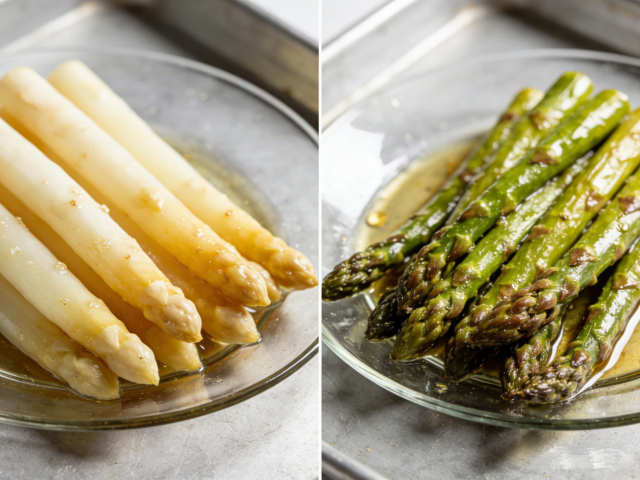
White asparagus, by contrast, demands meticulous human intervention. Farmers use a technique called etiolation: they mound soil or drape black plastic over the emerging shoots, blocking all light. Without sunlight, no chlorophyll forms, leaving the spears pale white (sometimes with faint purple tips). This labor-intensive method requires constant monitoring—spears grow rapidly, and even a day of exposure can ruin the color. Harvesting is done by hand with specialized knives plunged into the soil to cut spears at the base, often early in the morning. The result? Thicker, more fibrous stalks that must be peeled before processing.
This difference traces back centuries. Asparagus cultivation dates to ancient Rome and Greece, where it was valued medicinally and as a delicacy. The blanching method for white asparagus emerged in 17th-century France and spread to Germany, the Netherlands, and Spain. In Europe, particularly Germany during "Spargelzeit" (asparagus season from mid-April to June 24), white asparagus is a cultural obsession—festivals, asparagus queens, and entire menus celebrate it. Americans historically favored green for its ease and nutrition, but imports (often from Peru) have introduced canned white options to U.S. markets. Today, brands like Roland, Landsberg, and Heaven & Earth offer canned or jarred white spears, while generic green fills most pantry staples.
Production costs reflect this: white asparagus is pricier to grow and harvest, translating to higher canned prices—often double or more than green equivalents.
The Canning Process: Similar Yet Distinct
Canning asparagus follows FDA and USDA standards for both colors, ensuring safety through heat processing that kills bacteria while retaining much of the vegetable's integrity. Spears or pieces are washed, trimmed, blanched briefly in hot water or steam, then packed into cans or jars with brine (salt water), water, or sometimes a light seasoning. The containers are sealed and sterilized at high temperatures (around 240°F/116°C) for several minutes, creating a vacuum seal for shelf stability.
Key differences arise from the raw material. White spears are typically peeled before canning to remove tough outer fibers, resulting in a smoother, more uniform product straight from the can. Green spears may retain some skin, offering a firmer bite. USDA grades (A, C, or substandard) apply to both, evaluating color, texture, flavor, and defects. Canned white often earns "fancy" labels for its delicacy, while green is graded for everyday use.
The process softens both—canned asparagus loses the snap of fresh—but white's inherent tenderness shines through as silkier. Brine adds sodium (often 200–400 mg per serving), and heat reduces some water-soluble vitamins. Yet fiber and many minerals hold steady. No major process divergences exist beyond pre-peeling for white; both deliver convenience over fresh's short shelf life.
Nutritional Showdown: Subtle but Meaningful Differences
Asparagus earns its superfood status: low-calorie (about 20–30 per 5-spears serving), high in fiber, folate, vitamin K, and antioxidants. But does color matter in the can?
Broadly, they align closely. A typical serving of canned asparagus (drained) provides around 15–25 calories, 2–3g protein, 2–4g carbs, 1–2g fiber, and negligible fat. Both boast potassium for blood pressure, folate for cell health, and vitamin K for bones and clotting. However, nuances emerge from growing conditions.
Green asparagus benefits from sunlight, yielding higher beta-carotene and vitamin A (important for vision and immunity). It often edges out in overall antioxidants due to chlorophyll-related compounds. White asparagus, lacking photosynthesis, may have slightly lower vitamin A but comparable or even higher vitamin C in some analyses—though canning diminishes this for both. Studies and USDA data show green with marginally more B vitamins, calcium, and certain minerals; white remains nutrient-dense but subtler.
Canning impacts both equally: water-soluble vitamins (C, some B) leach or degrade by 20–50%, but rinsing or using the liquid in soups mitigates loss. Fiber and prebiotic inulin stay intact, supporting gut health. Sodium is the real drawback—canned versions can hit 10–20% daily value per serving—far higher than fresh. Low-sodium or no-salt-added options help.
For dieters or health-focused eaters, green canned asparagus offers a slight nutritional edge in vitamins A and antioxidants. White holds its own for low-carb, low-calorie diets, with zero fat and delicate appeal. Neither is "unhealthy," but green aligns better with "eat the rainbow" principles. A 2020s review in nutritional journals confirms both support anti-inflammatory diets, but green's chlorophyll gives it a minor antioxidant boost.
Taste and Texture: The Heart of the Debate
Here's where preferences diverge sharply. Canned green asparagus delivers a bold, grassy, earthy flavor—reminiscent of fresh spring vegetables with a slight mineral tang. It's vegetal and assertive, ideal if you crave that classic "asparagus" punch. Texture post-canning: soft but with some bite, especially tips.
Canned white asparagus shines with subtlety: sweeter, milder, with nutty or faintly bitter notes—like a cross between peas, turnips, or sweet cabbage. No grassy edge; instead, a refined, almost creamy delicacy. Many describe it as "juicy" or "elegant." Texture is notably tender and less fibrous (thanks to pre-peeling), though still softer than fresh due to canning. It absorbs flavors beautifully without overpowering.
Tasters in side-by-side comparisons (from culinary tests) often find white "delicate" and green "robust." White's flavor can fade if overprocessed or stored long, but quality brands preserve its nuance. In blind tests, Europeans favor white for its refinement; Americans lean green for familiarity.
Culinary Uses and Recipes: Versatility vs. Elegance
Canned green asparagus excels in everyday American fare: tossed into casseroles (think green bean casserole swaps), pasta primavera, quiches, or cold salads with vinaigrette. Its bold flavor stands up to grilling (post-drain and pat dry), stir-fries, or omelets. Simple prep: drain, rinse, microwave with butter and lemon, or bake into cheesy bakes. It's forgiving and budget-friendly for family meals.
Canned white asparagus elevates refined dishes. In Europe, it's classic with hollandaise, melted butter, or prosciutto—canned versions adapt seamlessly. Drain well, pat dry, and broil with Parmesan and butter for a 10-minute side. Or use in creamy soups (blend with peels' liquid for depth), caper salads with smoked salmon, or flatbreads with cheese and ham. Spanish recipes pair it with jamón ibérico; German ones with new potatoes. Its mildness complements seafood, eggs, or light vinaigrettes without clashing.
Sample Recipe: Easy Elegant Canned White Asparagus Side Drain a 12–15 oz jar/can of white spears. Pat dry. Arrange on a broiler-safe dish, dot with 3 tbsp butter cubes, sprinkle grated Parmesan, black pepper, and a pinch of cayenne. Broil 3–5 minutes until golden. Garnish with parsley and lemon. Serves 4 as a side—luxurious yet effortless.
Quick Green Asparagus Tip: Drain canned green spears, toss with olive oil, garlic powder, and roast at 425°F for 10 minutes for crispier edges.
White shines in simple, sauce-heavy presentations; green handles bold spices and mixes better.
Price, Availability, and Practical Considerations
In the U.S. (including Los Angeles markets), canned green asparagus is ubiquitous and cheap—$1–2 per can. White commands $4–8+ for premium jars/spears, reflecting import costs and labor. Availability favors green everywhere; white appears in specialty, European, or online sections (Amazon, gourmet stores). Shelf life is identical: 2–5 years unopened.
Pros of canned white: year-round delicacy, no peeling needed, gourmet cachet. Cons: pricier, milder flavor may underwhelm bold-palates. Green: affordable, nutritious, versatile. Cons: can taste "canned" or metallic if low-quality.
Sustainability and Broader Impacts
Green asparagus production is more efficient and mechanized, potentially lower labor footprint. White's soil-mounding and hand-harvesting increase costs and manual effort but use similar water and land. Both are seasonal at peak but canned for global distribution. Peru's white exports raise transport emissions, while local green reduces that. Overall, neither is dramatically more sustainable—choose based on values, perhaps prioritizing organic or domestic where possible.
Consumer Opinions and Expert Takes
Chefs and food writers praise white for sophistication (e.g., José Andrés recipes using canned liquid in soups). Home cooks on forums note green's reliability for volume cooking; white for special occasions. In Europe, white is king even canned; in the U.S., green rules but white gains fans among foodies.
Which Is Best? It Depends—But Here's the Verdict
Neither is universally superior; "best" hinges on context. For nutrition, versatility, and value, canned green asparagus wins—its grassy boldness, vitamin edge, and affordability make it ideal for daily use. For elegance, subtlety, and a touch of European luxury, canned white asparagus spears triumph—its delicate sweetness and tender texture elevate simple meals into something special.
Try both. Stock green for staples and white for weekends. The canning process levels the playing field, delivering convenience without sacrificing character. Ultimately, the best asparagus is the one that excites your taste buds and fits your table. Experiment, savor the spears, and let your palate decide. Whether white's refined whisper or green's vibrant shout, canned asparagus proves a pantry hero worth celebrating.