

In the world of convenient, shelf-stable proteins, few options rival canned tuna and canned sardines. Both are affordable, versatile, and packed with nutrients, making them staples in pantries worldwide. Tuna has long dominated supermarket shelves and lunchboxes, thanks to its mild flavor and familiarity. Sardines, once seen as a budget or niche choice, have surged in popularity—fueled by social media trends highlighting their "superfood" status for skin, heart health, and more.
But which one truly comes out on top? This article dives deep into a head-to-head comparison, examining nutrition profiles, health benefits and risks, taste and texture, price considerations, sustainability, and practical uses. By the end, you'll have the information needed to decide which (or both) deserves a spot in your diet.
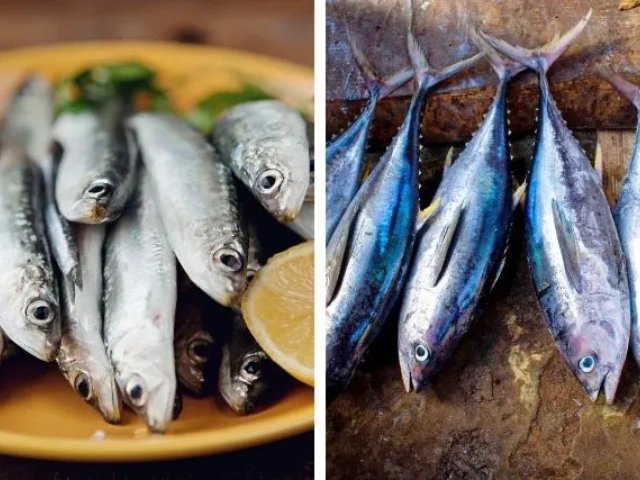
Nutritional Breakdown: Macros and Key Nutrients
Both canned tuna and sardines deliver high-quality protein with zero carbohydrates, but their profiles diverge significantly in fats, calories, and micronutrients.
Per 100g serving (drained weights, approximate averages from USDA and comparative data):
· Calories: Tuna (light, in water) ~130 kcal; Sardines (in oil, drained) ~208 kcal. Sardines are calorie-denser due to higher fat content.
· Protein: Tuna leads with ~29g; Sardines offer ~25g. Tuna edges out for lean protein seekers.
· Total Fat: Tuna (water-packed) ~0.6–8g (varies by packing); Sardines ~11g. Sardines provide more healthy fats.
· Omega-3 Fatty Acids (EPA + DHA): Sardines dominate with ~980–2,000mg (often 1–2g per serving); Tuna (light) ~100–300mg. Sardines offer far superior anti-inflammatory omega-3s.
Sardines often include edible bones (especially when packed whole), boosting calcium (~300–400mg per serving, or 30–40% DV) and vitamin D (naturally present, ~200 IU). Tuna lacks bones, so calcium is minimal unless fortified.
Other micronutrients shine in both: selenium, vitamin B12 (both excellent sources), phosphorus, and niacin. Sardines pull ahead in overall nutrient density thanks to bones, skin, and higher fat-soluble vitamins.
In short: Tuna wins for low-calorie, high-protein needs (e.g., weight loss or muscle-building diets). Sardines excel as a more complete, nutrient-packed option.
Health Benefits and Potential Risks
Both support heart health, brain function, and muscle maintenance through protein and omega-3s. Omega-3s reduce inflammation, lower triglycerides, support cognitive health, and may aid blood sugar regulation.
Sardines stand out for higher omega-3s, linked to better cardiovascular outcomes and skin benefits (hence the "skincare in a can" trend). The calcium-vitamin D combo promotes bone health—rare in non-dairy foods. They may offer advantages for joint health and reducing chronic disease risk.
Tuna provides lean protein efficiently, ideal for satiety without excess calories. However, mercury contamination is the major concern. Larger predatory tuna (especially albacore/"white" tuna) accumulate more methylmercury. Light tuna (skipjack) averages ~0.1 ppm mercury—safer, but still higher than sardines (<0.01–0.05 ppm typically). Sardines, being small and short-lived, pose minimal mercury risk, making them safer for frequent consumption, pregnant people, and children.
Both can be high in sodium (check labels; low-sodium options exist). Oil-packed versions add calories/fat, while water-packed keeps it leaner.
Overall health verdict: Sardines often emerge as the "healthier" pick for most due to superior omega-3s, bone-supporting nutrients, and drastically lower mercury. Tuna remains excellent in moderation, especially light varieties.
Taste, Texture, and Culinary Versatility
Taste is subjective, but patterns emerge.
Canned tuna is mild, neutral, and flaky—familiar from sandwiches, salads, and melts. Water-packed is drier and leaner; oil-packed moister and richer. Texture varies: "chunk" is flakier, "solid" more intact pieces. It's versatile but can feel bland or fishy if low-quality.
Canned sardines offer bolder, oilier flavor—sometimes described as "fishier," with brinier or metallic notes from bones/skin. Texture is softer, sometimes mushy in cheaper brands, but premium ones stay firm and succulent. Many include skin and bones for added richness. Flavored varieties (e.g., with peppers, lemon, tomato) expand appeal.
Sardines shine in Mediterranean-style dishes, on toast, or straight from the can. Tuna dominates in American classics like tuna salad or casseroles.
Recent trends show sardines gaining "cool factor" on social media, with premium brands offering gourmet textures that feel "fresh-like." Tuna remains the safe, crowd-pleasing default.
Price and Accessibility
Both are budget-friendly, but prices fluctuate.
Basic canned tuna (e.g., store brands, light in water) often costs $1–2 per can. Sardines range similarly for entry-level (~$1–3), but premium or imported brands climb to $5–15+ per tin amid rising demand.
Sardines sometimes edge cheaper historically, but trends (TikTok hype) have increased prices for popular varieties. Tuna's massive production keeps it consistently affordable.
Both offer great value per gram of protein/omega-3s compared to fresh fish.
Sustainability and Environmental Impact
Sustainability varies by species and method.
Tuna faces overfishing pressure—especially bluefin, bigeye, and yellowfin. Many stocks are fully exploited or declining due to high demand. Pole-and-line or troll-caught skipjack/light tuna is more sustainable, with lower bycatch.
Sardines (small pelagic fish) reproduce quickly and have resilient populations. They sit low on the food chain, reducing biomagnification of toxins. Fishing methods (purse seines, if managed) often have lower bycatch and carbon footprints than large predatory species.
Small fish like sardines generally have lower environmental impacts overall. Look for certifications (MSC, pole-and-line) for both.
Sardines often win on sustainability for everyday choices.
Which One Should You Choose?
· Choose canned tuna if you prioritize lean protein, mild taste, familiarity, lower calories, or budget staples for salads/sandwiches. Opt for light/skipjack, pole-and-line when possible, and limit albacore.
· Choose canned sardines for maximum nutrient density, omega-3s, bone health, low mercury, and bolder flavors. They're ideal for frequent eaters seeking heart/brain/skin benefits.
· Best of both worlds: Rotate them. Include sardines 2–3 times weekly for omega-3s/calcium, and tuna for variety/protein boosts.
Both beat many processed proteins in health and convenience. In 2026, with wellness trends favoring nutrient-dense, sustainable foods, sardines may be gaining ground—but tuna's reliability keeps it unbeatable for many.