

Tuna is one of the most popular seafood choices worldwide, appearing in everything from quick pantry salads to high-end sushi platters. But when it comes to deciding between canned tuna and fresh tuna, many people wonder which is truly "better." The answer depends on what you value most: nutrition, taste and texture, convenience, price, health considerations like mercury, or even environmental impact.
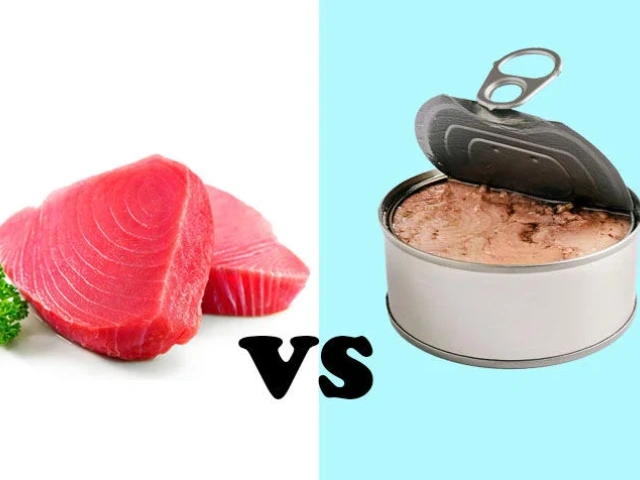
In this article, we'll break down the key differences across multiple categories to help you decide which form of tuna suits your lifestyle, diet, and preferences best. Spoiler: neither is universally superior—each has distinct advantages.
Nutritional Comparison: Protein Powerhouses with Subtle Differences
Both canned and fresh tuna are excellent sources of lean protein, omega-3 fatty acids, and essential nutrients like selenium, vitamin B12, niacin (B3), and vitamin D. They support heart health, brain function, muscle maintenance, and immune system strength.
Protein content is remarkably similar. Per 100g serving:
· Fresh tuna (e.g., yellowfin or bluefin, raw): Around 23–25g of protein.
· Canned tuna (light, in water, drained): Often 25–26g of protein.
Some comparisons show canned tuna slightly edging out in protein density due to water loss during processing.
Omega-3 fatty acids (like EPA and DHA) vary more noticeably:
· Fresh tuna, especially fattier varieties like bluefin, can have higher levels (e.g., ~1,300mg per 100g in some cases).
· Canned tuna in water often retains good amounts (around 200–300mg per 100g for light varieties), and some sources note certain canned products provide more EPA per ounce than raw fresh tuna due to concentration.
However, packing medium matters:
· Tuna in oil adds calories and fat (beneficial omega-3s but higher overall energy).
· Tuna in water keeps it leaner but may have slightly less omega-3s.
· Brine-packed versions increase sodium significantly.
Other nutrients:
· Fresh tuna often has more potassium (~124mg per oz) and vitamin A.
· Canned tuna can be higher in selenium and sometimes niacin.
· Processing (high-heat canning) preserves most nutrients well, though minor losses occur in protein and some minerals; some studies show slight increases in certain elements like iron or zinc from canning.
Calorie-wise, drained canned light tuna in water is often lower (~100–120 kcal per 100g) than fresh (~140 kcal in fattier cuts).
Verdict on nutrition: It's a near tie. Choose water-packed canned for low-cal, high-protein needs; opt for fresh or oil-packed canned if maximizing omega-3s is priority.
Taste and Texture: A World of Difference
This is where the two diverge dramatically.
Fresh tuna (especially sushi-grade ahi like yellowfin or bigeye) offers:
· Buttery, mild flavor with subtle oceanic notes.
· Firm, steak-like texture when seared rare—velvety and moist.
· Clean, non-fishy taste ideal for raw preparations (sashimi, poke) or quick grilling.
Canned tuna:
· Pre-cooked at high temperatures (~250°F during sterilization), resulting in a drier, flakier texture.
· More pronounced "fishy" or savory flavor, especially in skipjack varieties.
· Often packed in water, oil, or brine, affecting moisture and taste.
Canned types break down further:
· Chunk Light (mostly skipjack): Darker, softer, stronger flavor—great for tuna salad or casseroles.
· Solid White/Albacore: Lighter color, firmer chunks, milder taste—preferred for upscale recipes or eating straight.
Many describe canned as "totally different" from cooked fresh—more like a preserved product than a fresh fillet.
Verdict on taste/texture: Fresh tuna wins for premium culinary experiences. Canned excels in everyday, mixable applications.
Convenience and Shelf Life
Canned tuna dominates here:
· Shelf-stable for years—no refrigeration until opened.
· Ready-to-eat or quick prep—no cooking required.
· Portable, ideal for lunches, camping, or emergencies.
Fresh tuna:
· Requires immediate refrigeration and use within 1–2 days (or freezing).
· Needs cooking or careful handling to avoid spoilage or foodborne risks.
· Demands planning for meals.
Verdict: Canned is far more convenient for busy lifestyles or budget meal prep.
Price and Accessibility
Fresh tuna is premium:
· Sushi-grade steaks often $20–50+ per pound.
· Availability limited to fish markets or high-end grocers.
Canned tuna is budget-friendly:
· $1–5 per can (or less in bulk).
· Widely available in every supermarket.
Even premium canned albacore or pole-caught options remain cheaper than fresh equivalents.
Verdict: Canned wins overwhelmingly on affordability and accessibility.
Health Considerations: Mercury and Other Factors
Mercury bioaccumulates in larger predatory fish like tuna.
General levels (FDA data, in ppm):
· Canned light (mostly skipjack): ~0.126 ppm — lowest risk.
· Fresh skipjack: ~0.144 ppm.
· Canned albacore: ~0.350 ppm.
· Fresh yellowfin/bigeye: ~0.35 ppm.
Canned tuna often uses younger, smaller fish → lower mercury on average than large fresh steaks (bluefin or bigeye can be much higher).
Guidelines recommend limiting high-mercury tuna (albacore/white) to occasional servings, especially for pregnant people, children.
Sodium in canned (especially brine) can be higher; choose low-sodium or water-packed.
Both are safe when consumed moderately.
Verdict: Canned light varieties often safer for frequent consumption due to lower average mercury.
Sustainability and Environmental Impact
Tuna stocks vary—some overfished (e.g., bluefin), others better managed (skipjack, albacore).
Fishing methods matter:
· Pole-and-line or troll-caught: Low bycatch, more sustainable—common in premium canned.
· Purse-seine with FADs: Higher bycatch (turtles, sharks)—common in cheaper canned.
· Longline: High bycatch—often for fresh or larger tuna.
Look for MSC-certified or pole-caught labels. Canned (especially skipjack) can have advantages from abundant species and lower waste (long shelf life reduces spoilage).
Fresh tuna from overfished stocks or destructive methods can be less sustainable.
Verdict: Depends on sourcing—certified canned often edges out for everyday choices.
Final Verdict: Which One Is Better?
Neither canned nor fresh tuna is objectively "better"—it depends on your priorities.
Choose fresh tuna if:
· You want superior taste, texture, and premium presentation (sushi, seared steaks).
· You're maximizing certain nutrients like higher omega-3s in fattier cuts.
· You can afford it and plan meals carefully.
Choose canned tuna if:
· Convenience, affordability, and long shelf life matter most.
· You need quick, versatile protein for salads, sandwiches, or casseroles.
· You're eating tuna regularly and want lower mercury options (stick to light/skipjack).
Many people use both: canned for daily meals, fresh for special occasions.
Ultimately, tuna—whether from a can or the sea—remains a nutritious, delicious seafood staple. Focus on quality sourcing, moderate portions, and variety in your diet for the best results.