

Introduction
Canned pineapple has been a staple in kitchens around the world for over a century, offering a convenient way to enjoy this tropical fruit year-round. Whether it's sliced, crushed, or in chunks, canned pineapple is versatile for recipes ranging from sweet desserts to savory dishes. But when browsing the grocery aisle, consumers often face a choice: light syrup or heavy syrup. This decision isn't just about taste— it impacts nutrition, health, culinary applications, and even environmental considerations.
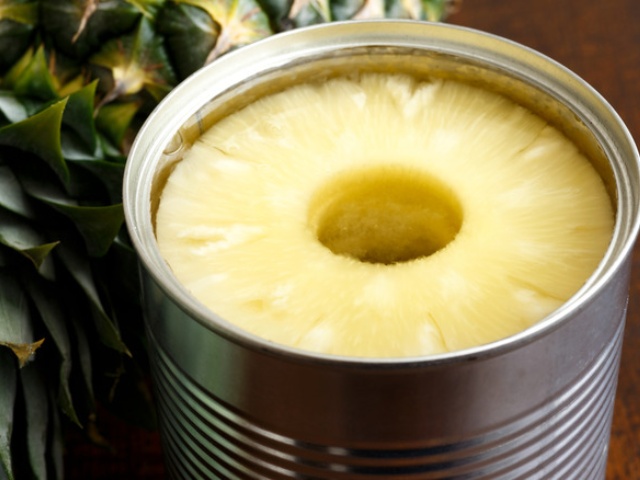
Light syrup typically contains less sugar, around 10-20% sugar content, making it a closer approximation to the natural sweetness of fresh pineapple. Heavy syrup, on the other hand, boasts 40-50% sugar, often including corn syrup for added preservation and flavor. This article delves into the differences between canned pineapple in light syrup and heavy syrup, comparing their nutritional profiles, health implications, taste, uses in cooking, historical context, and broader impacts. By the end, we'll determine which might be "better" depending on your priorities, whether health, flavor, or sustainability.
The debate over which is superior often boils down to balance: light syrup for those seeking healthier options with fewer added sugars, and heavy syrup for indulgent, dessert-like applications. With rising awareness of sugar intake and its links to health issues like obesity and diabetes, light syrup has gained popularity. Yet, heavy syrup's richer taste can't be dismissed. Let's explore in depth.
History of Canned Pineapple
The story of canned pineapple begins in the 16th century when Christopher Columbus brought the fruit back to Europe from the Americas, where indigenous peoples had cultivated it for centuries. Pineapples quickly became symbols of wealth and hospitality due to their rarity and exotic appeal—in the Western world, they were so expensive that they were rented out for display at parties before being eaten.
Commercial canning transformed this luxury into an everyday item. The pineapple canning industry started in Baltimore in the mid-1860s using imported fruit from the Caribbean. However, Hawaii became the epicenter. Introduced to the islands in the late 1700s by Spanish explorers, pineapples thrived in the volcanic soil. In 1895, the Hawaiian Fruit & Packing Co. sent the first shipment of canned pineapple to San Francisco.
James Dole, often called the "Pineapple King," revolutionized the industry. Arriving in Hawaii in 1899, he founded the Hawaiian Pineapple Company in 1901. Early challenges included manual processing, but in 1911, employee Henry Ginaca invented a machine that peeled, cored, and sliced pineapples automatically, boosting efficiency. By the 1920s, Dole's company was the world's largest, producing 70% of global canned pineapple by 1940. Marketing campaigns post-Panic of 1907 revived U.S. demand, turning canned pineapple into a household staple.
Syrup types evolved with preservation needs. Early canning used heavy syrups to extend shelf life and enhance flavor, especially for export. Light syrup emerged later as health concerns grew, offering a lower-sugar alternative while maintaining the fruit's integrity. Today, production has shifted to countries like the Philippines, Costa Rica, and Indonesia, but the legacy of syrup-packed canning remains.
This history underscores why syrup is used: to preserve color, shape, and taste during heat processing, which destroys enzymes like bromelain that could otherwise degrade the fruit. Without syrup, canned pineapple might taste bland or spoil faster, though options in juice or water exist for minimal added sugar.
What is Light Syrup vs. Heavy Syrup?
In canning, syrup refers to the sugar-water solution in which fruit is packed. It serves multiple purposes: preserving texture, preventing browning, and adding sweetness. The "weight" of the syrup indicates sugar concentration.
· Light Syrup: Composed of water and sugar, with about 10-20% sugar. Very light syrup can be as low as 10%, mimicking natural fruit sugars. It's used for sweeter fruits like pineapple to avoid overpowering their inherent flavor. For pineapple, this results in a subtler sweetness, closer to fresh.
· Heavy Syrup: Contains 40-50% sugar, often with corn syrup for viscosity. It's ideal for tart fruits but makes pineapple dessert-like. Heavy syrup adds more calories—about 200 extra per can compared to light.
The difference lies in ratios: light uses less sugar to let the pineapple's natural acidity shine, while heavy amplifies sweetness for preservation and indulgence. Both undergo similar canning processes—peeling, slicing, and heating—but syrup choice affects the final product.
Amazon.com : Dole Pineapple Tidbits in Light Syrup, 106 Ounce (Pack of 6) : Pickles : Everything Else
Nutritional Comparison
Nutrition is where light and heavy syrup diverge most starkly. Using USDA data and comparisons, here's a breakdown per 100g serving (solids and liquids).
Nutrient | Light Syrup | Heavy Syrup | Difference |
Calories | 52 kcal | 78 kcal | Heavy has 50% more |
Total Fat | 0.12g | 0.11g | Similar |
Saturated Fat | 0g | 0g | None |
Cholesterol | 0mg | 0mg | None |
Sodium | 1mg | 1mg | Similar |
Total Carbohydrates | 13.45g | 20.2g | Heavy has 50% more |
Dietary Fiber | 0.8g | 0.8g | Similar |
Total Sugars | ~10g (estimated) | ~16.9g | Heavy has more added sugar |
Protein | 0.36g | 0.35g | Similar |
Vitamin C | 7.5mg | 7.4mg | Similar (heat reduces from fresh) |
Calcium | 13mg | 14mg | Similar |
Iron | 0.28mg | 0.38mg | Slight edge to heavy |
Potassium | 105mg | 104mg | Similar |
Thiamin (B1) | 0.09mg | 0.09mg | Similar |
Riboflavin (B2) | 0.03mg | 0.03mg | Similar |
Niacin (B3) | 0.29mg | 0.28mg | Similar |
Vitamin B6 | 0.07mg | 0.07mg | Similar |
Folate | 5µg | 5µg | Similar |
Vitamin A | 3 IU | 3 IU | Similar |
(Data compiled from USDA sources and approximations. Note: Canning reduces bromelain and some vitamin C compared to fresh.)
Light syrup has fewer calories and carbs due to less added sugar—about 5-10g less per serving. Heavy syrup's extra sugars are mostly added, contributing empty calories. Fiber, vitamins, and minerals remain comparable since they're from the pineapple itself. However, heavy syrup can spike blood sugar more rapidly.
For a full can (about 250g drained), light might have 130 calories vs. heavy's 200, making light better for calorie control.
Health Benefits and Risks
Both offer pineapple's core benefits: vitamin C for immunity, manganese for bone health, and antioxidants. However, syrup affects overall health impact.
Benefits of Light Syrup:
· Lower added sugar reduces risks of heart disease, liver issues, and weight gain.
· Closer to natural, aiding digestion with residual bromelain (though less than fresh).
· Suitable for diabetics or low-sugar diets.
Benefits of Heavy Syrup:
· Provides quick energy from sugars, useful for athletes.
· Enhanced sweetness may encourage fruit consumption in picky eaters.
Risks:
· Heavy syrup's high added sugar (up to 20g per cup) links to chronic diseases. Regular intake can exceed WHO's 25g daily limit.
· Both lose some nutrients in processing, but heavy adds unnecessary calories.
· Light is healthier overall, per dietitians recommending avoidance of heavy syrup.
In moderation, neither is "bad," but light aligns with health guidelines.
Taste, Texture, and Culinary Uses
Taste-wise, light syrup pineapple is tangy and fresh-like, with subtle sweetness. Heavy is richer, almost candied, ideal for desserts.
Texture: Both maintain firmness, but heavy's thicker syrup clings more, enhancing mouthfeel in baked goods.
Culinary uses:
· Light Syrup: Great for salads, stir-fries, pizzas (e.g., Hawaiian), or smoothies. Drain and use in savory dishes like pineapple chicken without overpowering sweetness.
· Heavy Syrup: Perfect for upside-down cakes, pies, or glazes. The syrup can be reduced for sauces. Avoid in low-sugar recipes.
Recipes often specify based on desired sweetness—light for balance, heavy for indulgence.
Environmental and Economic Factors
Pineapple production impacts the environment through water use, pesticides, and land conversion. Canned pineapple adds processing emissions. In Costa Rica, a major producer, pineapple farming affects water quality and biodiversity, with smaller farms facing sustainability challenges.
Syrup type doesn't directly alter farming impacts, but heavy requires more sugar production, which has its own footprint (e.g., cane farming's water use). Light might indirectly support healthier consumption patterns, reducing overproduction demands.
Economically, light syrup cans are often cheaper due to less sugar, but both are affordable. Sustainable certifications are increasing in the industry.
Which is Better?
"Better" depends on context. For health and daily use, light syrup wins—fewer calories, less sugar, same nutrients. For desserts or when extra sweetness is needed, heavy excels. Overall, light is recommended for most, aligning with modern dietary advice.
Conclusion
Canned pineapple in light or heavy syrup offers convenience, but light generally edges out for health benefits while heavy shines in flavor-intensive recipes. Choose based on your needs, and consider draining syrup to minimize sugar. With mindful selection, both can enhance your diet without compromise.