

As autumn deepens and winter nears, citrus groves across southern China glow with the golden color of ripe mandarins. It’s the most exciting time of the year for fruit processors and exporters: the canned mandarin production season.
Every year, from November to February, factories in major citrus-growing regions work at full capacity to turn freshly harvested mandarins into delicious, shelf-stable products loved around the world. The process may look simple, but behind every can lies the harmony of nature’s timing, skilled craftsmanship, and modern technology.
This article explores the story of canned mandarin—from the orchards to the factory, from local farms to global markets.
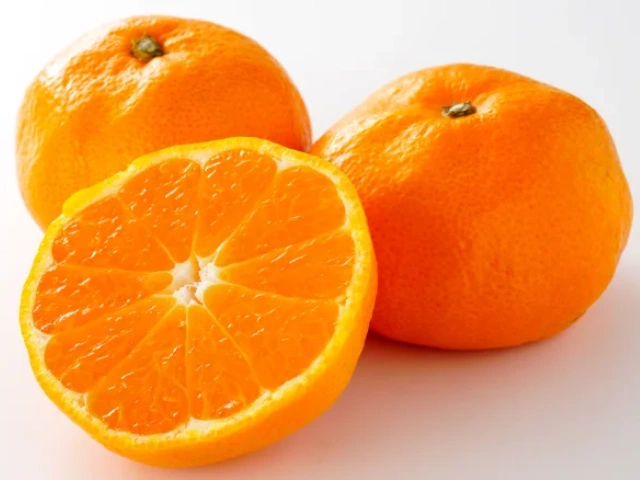
1. The Harvest Season Begins
Mandarins (Citrus reticulata) are known for their thin skin, tender flesh, and bright aroma. In China, major producing areas include Hunan, Jiangxi, Zhejiang, Guangxi, and Sichuan, each offering distinctive varieties such as Ponkan, Satsuma, and Honey mandarin.
The canned mandarin season usually begins in mid-November when the fruit reaches peak sweetness and juiciness. Farmers pick the mandarins by hand, selecting only those with vibrant color, smooth skin, and firm texture. Timing is crucial—fruit harvested too early can be sour, while overripe mandarins lose firmness and may not survive the canning process.
For processors, this short harvest window is a race against time. The goal is to capture the natural freshness of the fruit at its peak and seal it safely inside every can.
2. From Fresh Fruit to Factory Floor
After picking, mandarins are quickly transported to the canned mandarin processing plants—usually located close to orchards to reduce transit time. The fruit is processed within hours of arrival to preserve natural flavor and nutrients.
The journey begins with several key steps:
Sorting and Grading – Workers and optical systems separate high-quality fruit from damaged or unripe ones. Only perfect mandarins enter the canning line.
Peeling – Though mandarins peel easily, industrial production requires gentle mechanical peeling to avoid breaking the segments.
Membrane Removal – The thin inner skin surrounding each segment (albedo and film) must be removed. This is done by soaking the peeled fruit in a mild, food-grade lye solution, followed by thorough rinsing.
Rinsing and Inspection – The clean, bright orange segments are carefully inspected before entering the filling line.
Every step in the canned mandarin production process is designed to maintain the fruit’s natural sweetness, softness, and color.
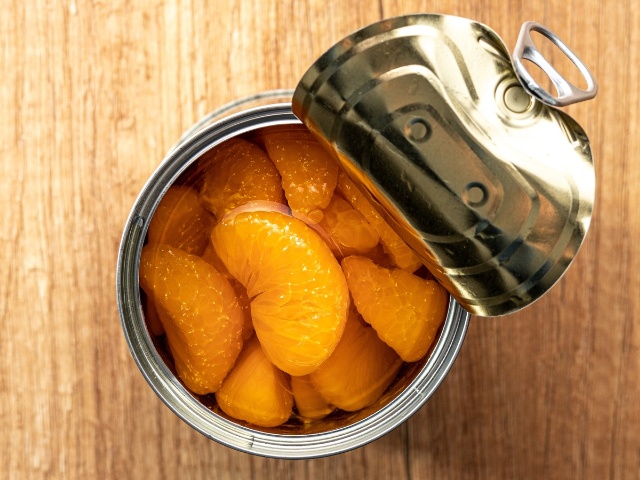
3. The Canning Process — Precision and Care
a. Filling and Syrup Preparation
The cleaned mandarin segments are placed into sterilized cans or jars. Then comes the syrup—made from purified water and sugar—which preserves the fruit and enhances flavor. Depending on the target market, different packing styles are available:
Canned mandarin in Light Syrup (14–17°Brix) – Natural and refreshing, preferred in Europe.
Canned mandarin in Heavy Syrup (20–24°Brix) – Rich and sweet, popular in tropical and Middle Eastern markets.
Canned mandarin in Natural Juice – No added sugar, meeting the demand for healthy, low-calorie products.
b. Sealing and Sterilization
Once filled, cans are sealed under vacuum and heat-sterilized at controlled temperatures (90–100°C). This ensures long shelf life—typically 24 to 36 months—without preservatives.
Modern automated systems allow consistent sterilization, protecting the delicate texture and color of the canned Mandarin segments.
c. Cooling, Labeling, and Packaging
After sterilization, the cans are cooled rapidly and tested for vacuum integrity, syrup density, and net weight. Only cans that meet quality standards are labeled and packed for shipment.
From harvest to final packaging, the entire process takes just a few hours, ensuring that every canned mandarin tastes as fresh and bright as the day it was picked.
4. Varieties and Packaging Options
Canned mandarins come in multiple product forms to meet various market and culinary needs:
Whole Segments – Ideal for salads, desserts, and direct consumption.
Broken Segments – Perfect for bakery fillings and beverages.

Whether for supermarket shelves or large-scale food manufacturing, canned mandarin offers flexibility and consistent quality all year round.
5. Global Market Overview
The global demand for canned mandarin remains strong thanks to its sweet taste, convenience, and long shelf life.
Key Export Markets
North America – Consumers enjoy canned Mandarin in fruit salads and desserts.
Europe – Prefers juice-packed versions with low sugar.
Japan and Korea – Value perfectly shaped, uniform segments and natural color.
Middle East and Africa – Favor heavy-syrup products for their rich sweetness.
China dominates the export market as the largest global supplier of canned Mandarin, shipping tens of thousands of tons annually. The peak production months—November through February—align perfectly with international demand during the Northern Hemisphere winter.
6. Quality and Food Safety
Top canned mandarin manufacturers adhere to international safety and quality certifications such as:
HACCP
ISO 22000 / FSSC 22000
BRCGS
Halal & Kosher
At every production stage, rigorous tests ensure quality and consistency:
Measurement of Brix, pH, and acidity
Monitoring of color, texture, and firmness
Microbial testing to ensure sterilization integrity
Traceability systems allow each batch of canned mandarin to be traced back to its origin orchard—ensuring transparency from farm to consumer.
Factories are also adopting sustainable practices such as water recycling, solar power usage, and eco-friendly packaging to reduce their environmental footprint.
7. Culinary Applications — The Taste of Fresh Citrus
Canned Mandarin oranges are versatile and easy to use. Their tender segments and natural sweetness make them suitable for both home kitchens and professional food production.
Popular uses include:
Desserts – Cakes, tarts, fruit cocktails, and ice cream toppings.
Salads – Spinach-mandarin salad with nuts and citrus dressing.
Beverages – Smoothies, milkshakes, or cocktails.
Main Dishes – Sweet-and-sour chicken, citrus-glazed salmon, or Asian stir-fries.
Because canned mandarin is available year-round, it brings a taste of sunshine even in the middle of winter.
8. Industry Innovation and Sustainability
As global food trends shift toward health and environmental awareness, the canned mandarin industry continues to evolve.
Current innovations include:
Low-sugar and no-sugar-added canned Mandarin for health-conscious consumers.
Glass and paper-based packaging to reduce plastic and metal waste.
Organic-certified production to ensure natural farming and pesticide-free fruit.
AI-assisted sorting and automation for improved efficiency and product consistency.
Some manufacturers are even developing QR-code traceability systems, allowing consumers to scan a can and learn where the mandarins were grown and when they were processed—bridging the gap between farm and table.
9. A Season of Joy and Dedication
For the many people involved in the canned mandarin production season—from farmers in the orchards to technicians in the factories—this is more than just business. It’s a celebration of nature’s bounty and human craftsmanship.
Each can of mandarin oranges represents hard work, precision, and the simple happiness of harvest time. When consumers open a can in the middle of winter, they’re not just tasting fruit—they’re tasting the warmth of the sun, preserved at its peak.
Conclusion
The canned mandarin season is a time of color, energy, and dedication. From freshly picked mandarins in the groves to the neatly stacked cans ready for shipment, every stage reflects care and commitment to quality.
Year after year, canned mandarin continues to brighten meals around the world—offering a burst of freshness, sweetness, and sunshine in every bite.
No matter where you are or what season it is, opening a can of mandarin segments is like opening a little piece of summer—sealed and shared with the world.