

Green beans, also known as string beans or snap beans, are a beloved vegetable enjoyed in kitchens around the world. Whether steamed, sautéed, stir-fried, or baked into casseroles, they bring a fresh, earthy flavor and satisfying crunch (or comforting softness, depending on preparation). As more people seek convenient, shelf-stable options, the classic debate resurfaces: Canned Green Beans Vs. Fresh — which one is truly better?
At Amoy Top Foods, we specialize in high-quality canned vegetables sourced from the freshest harvests, processed to lock in nutrition and flavor while offering unbeatable convenience. Our canned vegetables, including beans and legumes, are produced with strict quality controls (many certified BRC/IFS), ensuring safety and taste that families can trust year-round.
In this in-depth article, we'll compare canned and fresh green beans across key categories: nutrition, taste and texture, convenience, cost, shelf life, health considerations, environmental factors, and practical cooking uses. By the end, you'll have the facts to decide what works best for your lifestyle, meals, and priorities.
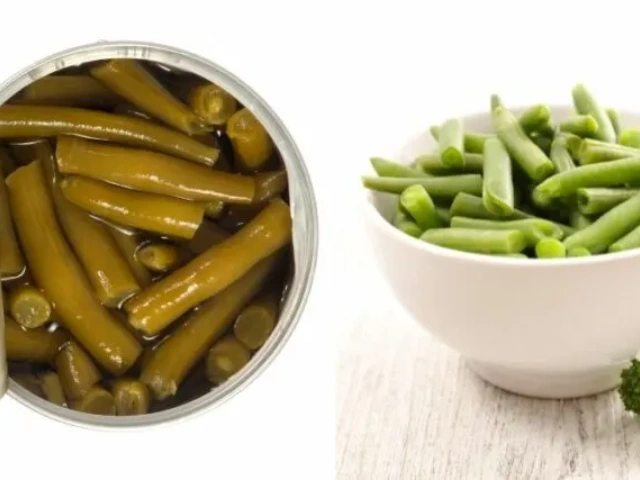
Nutritional Comparison: Head-to-Head Breakdown
Nutrition often tops the list when comparing canned versus fresh produce. Fresh green beans are harvested and typically reach your plate quickly (or after minimal storage), preserving heat-sensitive nutrients. According to reliable sources like the USDA and recent analyses, one cup (about 110g) of raw fresh green beans provides:
· Calories: ~31–40
· Protein: ~2g
· Fiber: ~3g
· Vitamin C: ~12mg (significant portion of daily needs)
· Vitamin A: notable amounts
· Potassium: higher levels
· Sodium: negligible (<3mg)
Fresh versions shine in water-soluble vitamins like vitamin C, which support immune function and act as antioxidants. They also deliver more fiber for digestive health and satiety.
Canned green beans undergo blanching and high-heat processing, which can reduce some nutrients. A typical cup of drained canned green beans offers:
· Calories: ~24 (slightly lower due to processing)
· Protein: ~1g
· Fiber: ~2g or less (some loss during processing)
· Vitamin C: significantly reduced (~2–3mg)
· Other vitamins/minerals: comparable levels of calcium (~36mg), iron, zinc, and fat-soluble vitamins (A, E, K) that remain stable
However, not all comparisons favor fresh outright. Some nutrient-density scores (like the Nutrivore system) rate canned green beans (including liquid) slightly higher in overall nutrient packing due to concentration and minimal loss in certain categories. Minerals and fiber are largely retained, and many experts note that canned vegetables often match or exceed older fresh produce that's traveled long distances and sat on shelves.
The biggest nutritional difference? Sodium. Standard canned green beans contain 200–400mg per serving from added salt for preservation and flavor. Low-sodium or no-salt-added options (widely available) drop this dramatically. Rinsing canned beans under water can reduce sodium by about 40%.
Verdict on nutrition: Fresh generally edges out for maximum vitamin C, fiber, and naturally low sodium. Canned provides reliable, year-round access to essential minerals and fiber with minimal difference in many areas — especially when choosing low-sodium varieties. Both count toward your daily vegetable intake, and canned often beats "fresh" that's past peak freshness.
Taste and Texture: The Sensory Experience
This is where personal preference reigns supreme.
Fresh green beans deliver that signature crisp snap when lightly steamed or sautéed — bright, slightly sweet, and grassy. The vibrant green color and firm yet tender bite make them ideal for salads, quick stir-fries, or side dishes where texture stands out. Many home cooks describe fresh as "alive" and more flavorful when in season.
Canned green beans are pre-cooked during processing, resulting in a softer, more tender (sometimes described as "melt-in-your-mouth") texture. The flavor is milder, slightly briny from the canning liquid, without the sharp freshness of raw or lightly cooked beans. This softness makes them perfect for comforting dishes like green bean casserole, slow-simmered Southern-style beans with bacon or ham, or blended into soups where they absorb seasonings beautifully.
Some people love the nostalgic, homey quality of canned beans — especially in holiday classics or quick family meals. Others find them too soft or metallic-tasting compared to fresh. The key to elevating canned: drain and rinse, then season aggressively with garlic, herbs, butter, onions, or Asian-inspired sauces (soy, ginger, sesame) to build depth.
Verdict on taste/texture: Fresh wins for crispness, vibrancy, and gourmet appeal. Canned excels in hearty, integrated dishes where softness enhances the overall experience. Neither is "wrong" — it depends on the recipe and what you crave.
Convenience, Cost, and Shelf Life: Real-Life Practicality
Life moves fast, and convenience matters.
Fresh green beans require shopping (often weekly), washing, trimming ends, and cooking — all adding time. They last only 5–7 days in the fridge before wilting or developing spots.
Canned green beans sit on your pantry shelf for 2–5 years unopened, no refrigeration needed until opened. They're pre-washed, pre-cut, and pre-cooked — heat and serve in minutes. This makes them lifesavers for busy households, emergency kits, camping, or when fresh produce prices spike.
Cost-wise, canned usually wins. Fresh green beans fluctuate seasonally ($2–4/lb or more off-season), while quality canned options remain affordable year-round (often under $1–2 per can, yielding generous servings). Bulk buying canned further reduces expense and waste from spoilage.
Verdict: Canned dominates for convenience, long shelf life, and budget-friendliness — especially valuable in urban areas like Los Angeles where fresh produce can be pricey or inconsistent.
Health Considerations and Smart Choices
Beyond basic nutrition, a few health notes deserve attention.
· Sodium: The main concern with canned. High intake links to blood pressure issues. Solution: Choose "low-sodium" or "no salt added" varieties (many brands now offer these) and always rinse.
· BPA: Older can linings raised concerns about bisphenol A exposure. Modern manufacturers (including responsible suppliers like those behind Amoy Top Foods products) increasingly use BPA-free linings, reducing potential risks.
· Additives: Minimal in plain canned green beans — just beans, water, and sometimes salt. Avoid flavored versions if watching ingredients.
Fresh avoids added sodium/BPA but may carry pesticide residues if not organic. Both are healthy when part of a varied diet.
Tip: For heart health or low-sodium needs, fresh or rinsed/low-sodium canned are excellent. Variety keeps meals interesting and nutrient-balanced.
Environmental and Sustainability Factors
Fresh green beans from local, seasonal farms have a lower carbon footprint (minimal transport/processing). However, off-season fresh often travels far, increasing emissions.
Canned benefits from peak-harvest processing (reducing field waste), long shelf life (cutting household food waste), and recyclable packaging. Efficient production minimizes overall impact for year-round availability.
Choosing responsibly sourced canned vegetables supports sustainable farming practices in major growing regions.
Cooking Ideas: Making the Most of Both
Fresh Green Beans:
· Quick garlic sauté: Blanch 3–4 minutes, then toss in olive oil, garlic, and lemon zest.
· Asian stir-fry: High-heat wok with soy sauce, ginger, garlic, and sesame oil — perfect crisp-tender result.
· Cold salad: Blanched, chilled, mixed with cherry tomatoes, feta, red onion, and vinaigrette.
Canned Green Beans (Amoy Top style — clean, quality beans):
· Southern simmer: Drain/rinse, simmer low with onion, bacon/ham hock, black pepper — develops rich flavor.
· Casserole classic: Mix with cream of mushroom soup, fried onions, top with more onions — bake until bubbly.
· Quick upgrade: Sauté with butter, garlic, herbs, or add to noodle soups/stir-fries for instant veggies.
Pro tip: Combine both! Use fresh for crunch in salads and canned for hearty mains.
Final Verdict: Which Is Better?
There's no universal winner — it depends on your needs.
· Choose fresh when you want maximum crispness, peak-season flavor, higher vitamin C/fiber, and minimal sodium — ideal for lighter, vibrant dishes or when quality produce is affordable and accessible.
· Choose canned (especially low-sodium options from trusted suppliers like Amoy Top Foods) for unbeatable convenience, year-round reliability, lower cost, long shelf life, and dependable nutrition — perfect for busy weeks, budget meals, or classic comfort foods.
The smartest approach? Use both. Stock your pantry with quality canned green beans for reliability, and enjoy fresh when they're at their best. Either way, you're getting a nutritious, versatile vegetable that supports better eating.
At Amoy Top Foods, we're proud to offer premium canned vegetables that deliver taste, nutrition, and convenience you can count on. Explore our range today and discover how easy it is to make healthy, delicious meals any day of the year.