

Corn is a staple in kitchens around the world, adding sweetness, crunch, and versatility to countless dishes. Whether it's tossed into salads, stirred into soups, or served as a simple side, corn's appeal lies in its accessibility and nutritional punch. But when fresh ears aren't in season or readily available, most people turn to preserved options: canned or frozen. This begs the question—which is truly better? In this comprehensive comparison, we'll dive into the nutritional profiles, taste and texture differences, convenience factors, costs, environmental impacts, health considerations, and culinary applications of canned and frozen corn. By the end, you'll have a clearer picture of which form suits your needs, lifestyle, and preferences best.
Both canned and frozen corn start from the same source: sweet corn harvested at peak ripeness. The preservation methods, however, diverge significantly. Canned corn is cooked and sealed in cans with water, often with added salt or sugar, while frozen corn is blanched and flash-frozen to lock in freshness. These processes influence everything from nutrient retention to how they perform in recipes. According to experts, neither is inherently superior in all categories, but understanding the nuances can help you make informed choices.
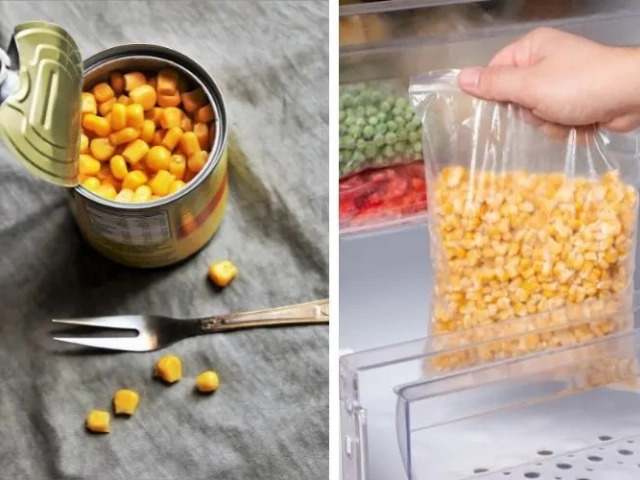
Let's start by examining the nutritional showdown, where surprising research reveals that frozen might edge out canned in some key areas.
Nutritional Comparison
When it comes to nutrition, the debate between canned and frozen corn often centers on how processing affects vitamins, minerals, and overall health benefits. Fresh corn is ideal, but preserved versions can be nearly as nutritious if handled properly. A 2015 study from the University of California, Davis, found that frozen corn often retains more vitamin C than fresh corn due to flash-freezing at peak ripeness. This process seals in nutrients before degradation occurs. In contrast, canning involves high heat and pressure, which can alter some water-soluble vitamins like B and C.
Key nutrients in corn include fiber, which aids digestion; vitamin C for immune support; and antioxidants like lutein for eye health. A cup of frozen corn typically provides about 4 grams of fiber, 10% of daily vitamin C, and minimal sodium if unsalted. Canned corn, however, often has added sodium—up to 300-400 mg per serving—which can be a drawback for those watching salt intake. Opting for low-sodium canned varieties mitigates this, bringing it closer to frozen's profile.
Research from the Journal of Agriculture and Food Chemistry shows that frozen produce, including corn, can have vitamin content comparable to or higher than fresh. For instance, frozen corn retains more carotenoids (like beta-carotene) than canned, as the latter's high-heat process can break them down. A UCANR study comparing fresh, frozen, and canned vegetables noted that canned corn has higher sodium but similar potassium levels, while frozen excels in preserving vitamins E and A.
That said, canned corn isn't nutritionally inferior across the board. It maintains fiber and minerals like magnesium and iron effectively, and some studies indicate it can have higher carotenoid levels when reported on a wet basis. The American Heart Association emphasizes that both forms count toward daily vegetable intake, with frozen slightly better for those avoiding additives.
In a head-to-head:
Nutrient (per 1 cup) | Frozen Corn | Canned Corn (low-sodium) |
Calories | 130 | 120 |
Fiber | 4g | 3g |
Vitamin C | 12% DV | 8% DV |
Sodium | 5mg | 140mg |
Carotenoids | Higher | Variable |
Frozen generally wins for vitamin retention, but canned offers convenience without drastic losses if you rinse it to reduce sodium by up to 40%. For optimal health, incorporate both into a balanced diet, prioritizing unsalted options.
Taste and Texture
Taste and texture are where personal preference reigns supreme, but science and consumer feedback provide clear distinctions. Frozen corn, blanched and frozen quickly, often mimics fresh corn's crispness and natural sweetness. Users on platforms like Reddit rave about its "super fresh" flavor, noting it's less mushy than canned. A Sporked taste test confirmed frozen kernels are plump, sweet, and maintain a firm bite, unlike canned which can turn rubbery if overcooked.
Canned corn, processed under high heat, develops a softer, sometimes mushier texture with a sweeter, juicier profile due to the brine. This makes it ideal for blending into dishes where crispness isn't key, but it can taste duller or starchier compared to frozen. In blind tests, frozen often scores higher for authenticity, resembling corn-on-the-cob.
Freeze-dried options, though not as common, retain crunch but alter flavor slightly. Overall, if you crave vibrant, fresh-like corn, frozen is superior; for a ready-to-eat, sweet softness, canned fits the bill.
Convenience and Shelf Life
Convenience is a major draw for both, but they cater to different needs. Frozen corn requires freezer space and thawing or direct cooking, lasting 6-12 months without quality loss. It's versatile—add straight to soups or stir-fries—but power outages can spoil it.
Canned corn shines in shelf stability, unopened cans lasting 2-5 years in a pantry. Once opened, it keeps 3-5 days in the fridge or can be frozen for 2 months, though texture softens. No thawing needed; just drain and use. For emergency stockpiling or minimal prep, canned wins. Frozen, however, avoids can openers and offers portion control via bags.
In essence, frozen suits active cooks with freezers, while canned is for pantry-reliant households.
Cost Analysis
Cost varies by brand, region, and form, but canned often edges out as the cheaper option. A USDA study pegs canned corn at $0.16 per serving, frozen at $0.27, and fresh at $0.25. Bulk frozen bags can cost $0.35 per ounce, while cans are $0.03-0.05, but consider yield: frozen has no liquid waste, potentially making it more economical.
Organic options inflate prices; canned organic might run $1-2 per can, frozen similar. Sales make frozen competitive, especially for larger families. Overall, canned is budget-friendlier for basic needs.
Environmental Impact
Environmental footprints differ subtly. Freezing requires ongoing energy for storage, potentially higher if stored long-term. Canning uses more upfront energy but allows room-temperature storage, reducing emissions from refrigeration. Both minimize food waste by extending shelf life.
Packaging matters: cans are recyclable but may involve BPA linings, while plastic frozen bags contribute to waste. Sweet corn production itself has shrunk, impacting U.S. farms environmentally. GMO concerns apply more to field corn, but sweet varieties are mostly non-GMO. Local sourcing reduces transport emissions for both.
Canned has a slight edge for low-energy storage, but frozen's minimal processing can be greener short-term.
Health Considerations
Beyond basics, health factors include sodium and BPA. Canned corn's sodium can reach 20% DV per serving, risking high blood pressure; rinse to cut it. Frozen is naturally low-sodium.
BPA in can linings migrates minimally but links to hormone disruption. Many brands now use BPA-free cans, and Health Canada deems levels safe. Frozen avoids this entirely.
Corn allergies or sensitivities are rare but possible; both forms are safe in moderation. For digestive health, fiber in both aids, but frozen's higher vitamins support immunity better.
Choose low-sodium canned or unsalted frozen to minimize risks.
Culinary Uses and Recipes
Culinary versatility highlights differences. Frozen's firmness suits salads, stir-fries, or grilling; canned's softness blends into soups or casseroles.
For frozen: Try Corn Fritters—mix 2 cups frozen corn with flour, eggs, and spices; fry until golden. Or add to tacos for crunch.
For canned: Esquites salad—drain, mix with mayo, lime, cheese, and chili. In cornbread, canned adds moisture.
Both work in chowders, but frozen retains texture. Experiment: Substitute in recipes calling for one with the other, adjusting for moisture.
Conclusion
So, which is best? It depends. Frozen corn triumphs in nutrition, taste, and texture, making it ideal for health-conscious cooks seeking freshness. Canned excels in convenience, cost, and shelf life, perfect for quick meals or stockpiling. Environmentally and health-wise, both have trade-offs, but opting for low-sodium, BPA-free options optimizes benefits. Ultimately, incorporate both for variety—your kitchen (and palate) will thank you.