

Asparagus has earned its place as a beloved vegetable for good reason. Its bright, grassy flavor, tender-yet-crisp texture when prepared right, and impressive nutrient density make it a standout in everything from elegant spring risottos to simple weeknight sides. But in today’s busy kitchens, shoppers often face a choice: the vibrant bunches of fresh spears in the produce aisle or the convenient cans stacked on the shelf. Is one truly superior, or does it depend on your priorities?
This 2,000-word deep dive compares canned and fresh asparagus across nutrition, taste and texture, convenience and cost, environmental impact, culinary uses, and health considerations. By the end, you’ll have a clear framework to decide which form deserves a spot in your pantry or fridge—and why both can play valuable roles in a healthy diet.
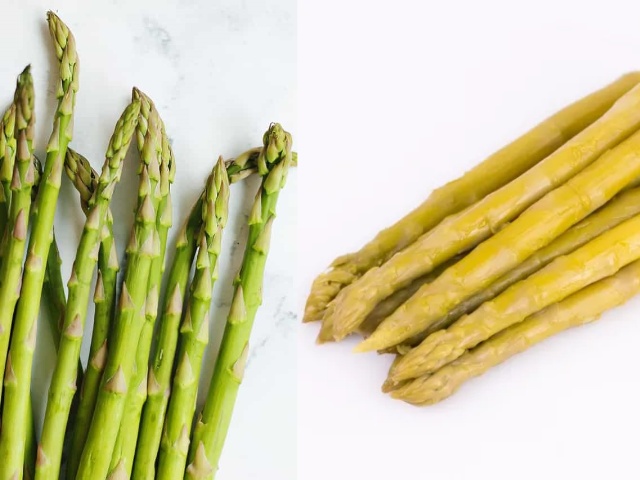
Nutritional Showdown: How Processing Affects the Spears
Asparagus is a nutritional powerhouse in either form—low in calories (about 20 per ½ cup serving), fat-free in its natural state, and packed with fiber, folate, vitamin K, and antioxidants. But the canning process introduces measurable differences.
Let’s standardize on roughly equivalent amounts using USDA-derived data (per approximately 14 oz / 397 g for easy side-by-side comparison, then normalized where helpful):
· Calories & Macros: Nearly identical—75–80 calories, 8–9 g protein. Raw/fresh has more carbohydrates (15.4 g vs. 9.8 g), natural sugars (7.5 g vs. 4.2 g), and fiber (8.3 g vs. 6.4 g). Canned shows slightly higher fat (2.6 g vs. 0.5 g), largely from processing or minor additives, but still negligible overall.
· Key Vitamins:
o Vitamin K: Virtually identical (~164–165 μg)—excellent for bone health and blood clotting.
o Folate (B9): Canned often edges out with nearly double (381 μg vs. 206 μg) in some datasets, possibly due to concentration effects during processing.
o Vitamin C: Surprisingly, some comparisons show canned higher (73 mg vs. 22 mg), though general vegetable science notes heat-sensitive vitamins like C and certain B vitamins can decline 10–50% with canning. Real-world variation depends on brand and exact processing.
o Other B vitamins (thiamine, riboflavin, pantothenic acid): Fresh/raw typically retains more.
· Minerals:
o Potassium, calcium, magnesium, iron, copper, zinc: Fresh consistently higher by 20–50%.
o Sodium: The biggest red flag—canned can contain 1,139 mg per 14 oz serving (often 200–300 mg per ½ cup drained) versus just 8 mg in fresh. This comes from added salt for preservation and flavor. Low-sodium or no-salt-added varieties cut this dramatically (some as low as 30–105 mg per serving).
Overall nutrient density favors fresh for most minerals and fiber, but canned asparagus remains a solid source of folate, vitamin K, and antioxidants. Heat processing can actually increase bioavailability of some compounds (similar to how canned tomatoes release more lycopene), though asparagus isn’t as dramatic an example.
One cup of drained canned asparagus delivers about 46 calories, 5 g protein, 6 g carbs, 3 g fiber, and meaningful amounts of iron and vitamin A. Fresh (cooked) is comparable but with brighter micronutrient retention when eaten soon after harvest.
Bottom line on nutrition: Fresh wins on purity and mineral density, especially if you eat it within days of purchase. Canned is still highly nutritious and far better than skipping vegetables altogether—particularly for folate and shelf-stable convenience. Rinse canned spears thoroughly to slash sodium by up to 40%.
Taste and Texture: Night-and-Day Difference
This is where opinions diverge most sharply.
Fresh asparagus, harvested at peak (usually February–June in the U.S.), offers a crisp snap, bright green color, and complex flavor—grassy, nutty, slightly sweet, with subtle earthiness. The tips are tender, the stalks firm but yielding when properly cooked. Overcook it and it turns mushy, but done right (steamed 3–5 minutes, roasted at 425°F for 10–12, or grilled), it’s vibrant and restaurant-quality.
Canned asparagus is pre-cooked and stored in water or brine, resulting in a softer, sometimes limp texture that many describe as “mushy” or “soggy.” Flavor is milder, occasionally with a faint metallic or tinny note from the can. Color is duller olive-green. However, it has devoted fans who appreciate the nostalgic, tender quality reminiscent of classic casseroles or holiday sides.
Many home cooks report success “reviving” canned spears: drain and rinse well, pat dry, then quickly sauté in butter or olive oil over high heat for 3–5 minutes with garlic, lemon zest, or chili flakes. This crisps the exterior and brightens flavor dramatically. Some even air-fry or bake them at 400°F for 8–10 minutes.
Fresh asparagus simply cannot be matched for raw or lightly cooked applications—think shaved ribbons in salads or quick stir-fries. Canned works best in dishes where texture is less critical: creamy soups, quiches, pasta bakes, or pureed into dips.
Convenience, Shelf Life, and Cost: Practical Wins for Canned
Fresh asparagus is highly perishable. Store it upright in the fridge with trimmed ends in 1–2 inches of water (like flowers), loosely covered with a plastic bag, and change the water daily. It lasts 3–5 days at best. You must trim woody ends, wash, and often peel thicker stalks.
Canned asparagus lasts 2–5 years unopened in the pantry. Once opened, refrigerate and use within 3–5 days. No prep beyond draining and rinsing.
Cost tells a compelling story. According to USDA Economic Research Service data (2023), processed vegetables like canned options often cost far less per cup equivalent than fresh, especially out of season. Fresh asparagus can run $3–$6 per pound at retail (higher off-season or for organic), translating to $2–$4 per serving depending on trim loss. A 14.5-oz can of asparagus (drained weight ~8–9 oz, 3–4 servings) typically retails for $1.50–$3.00, or under $1 per serving—even less for store brands or no-salt varieties.
In winter, when much U.S. fresh asparagus is flown in from Peru or Mexico, the price premium widens further. Canned asparagus—often packed domestically or in efficient facilities—offers year-round affordability and reduces food waste dramatically. No more sad, wilted spears in the crisper drawer.
Environmental Impact: Fresh Isn’t Always Greener
Asparagus has one of the higher carbon footprints among vegetables, largely due to its growing cycle and transport.
Fresh asparagus imported via air freight (common for off-season supply from South America) can have a carbon footprint several times higher than domestically produced options—up to three times in some life-cycle analyses. Farm production, water use, and aviation fuel add up.
Canned asparagus benefits from processing near growing regions and stable, non-refrigerated shipping. Aluminum and steel cans are highly recyclable (recycling rates >50% in the U.S.), and modern facilities increasingly use BPA-free linings. However, the energy for canning and packaging adds its own footprint.
Verdict: In-season, locally grown fresh asparagus is the clear sustainability winner. Off-season, low-sodium canned (especially U.S.-packed) often has a lower overall impact than air-freighted fresh. Frozen asparagus lands somewhere in the middle but wasn’t the focus here.
Culinary Uses: Matching Form to Function
Fresh Asparagus shines when you want elegance and crunch:
· Roast with olive oil, salt, pepper, and lemon zest at 425°F for 10–15 minutes.
· Grill for smoky char.
· Steam or blanch for salads, frittatas, or risotto.
· Shave raw into spring salads with radish, goat cheese, and vinaigrette.
· Classic: Hollandaise or brown-butter sauce.
Canned Asparagus excels in comfort-food classics:
· Asparagus casserole with cream of mushroom soup, cheddar, and crispy onions (a holiday staple).
· Puree into creamy soups or add to quiches and omelets.
· Toss into pasta primavera or mac & cheese for extra veggies.
· Quick side: Drain, rinse, warm with butter, garlic, and Parmesan.
· Retro salad: Marinated in vinaigrette with pimentos and hard-boiled eggs.
Pro tip: Combine both! Use fresh for texture contrast in a dish that includes canned for bulk and convenience.
Health Considerations and Potential Drawbacks
Both forms support heart health (potassium, fiber), bone health (vitamin K), and digestion (prebiotic fiber). Asparagus’s diuretic effect (thanks to asparagine) can help with bloating and blood-pressure management.
Drawbacks:
· Canned: High sodium unless low/no-salt chosen. Some older cans had BPA; most major brands now offer BPA-free. Rare heavy-metal concerns are minimal and comparable to fresh.
· Fresh: Potential pesticide residues (asparagus ranks low on the Dirty Dozen, but wash thoroughly). Shorter shelf life increases waste risk.
· General: Asparagus can cause “asparagus pee” odor in 40–50% of people due to genetics—no health issue, just harmless sulfur compounds.
Pregnant individuals benefit from either form’s folate. Kidney-stone patients should moderate due to oxalates, but both are safe in normal portions.
The Verdict: Fresh Edges Out, But Canned Has a Permanent Place
If taste, texture, and maximum nutrient density are your top priorities—and you can access in-season, high-quality fresh asparagus—fresh is best. Its superior flavor and crispness make meals more enjoyable, encouraging higher overall vegetable intake.
But canned asparagus is no second-class citizen. It delivers excellent nutrition at a fraction of the cost, zero waste risk, and unmatched convenience. For busy families, budget cooks, winter pantries, or emergency meal prep, it’s a smart, healthy choice that beats skipping vegetables entirely.
The real winner? Variety and moderation. Stock both. Buy fresh in spring when prices drop and flavor peaks. Keep a few cans on hand for the other 10 months. Rinse canned well, crisp it up when possible, and experiment with recipes that play to each form’s strengths.
Asparagus—whether from field or factory—remains one of the most rewarding vegetables you can eat. Choose the version that fits your life today, and enjoy the spears. Your taste buds, wallet, and body will thank you.