

As the operations team at Amoy Top Foods, we're passionate about bringing high-quality, nutritious ingredients to your kitchen. We specializes in a wide range of premium canned and preserved foods, inspired by Asian culinary traditions but with a global twist. We offer everything from savory sauces to hearty legumes, making itd easy for home cooks to create delicious meals. Today, we're diving into a head-to-head comparison between two popular bean varieties: baked beans and kidney beans. Both are staples in pantries worldwide, but which one reigns supreme? In this comprehensive blog post, we'll explore their histories, nutritional profiles, health benefits, culinary uses, recipes, and more to help you decide. Whether you're stocking up on our Amoy Top canned kidney beans or trying our flavorful baked bean options, understanding these beans can elevate your cooking game.
The Origins and History of Baked Beans and Kidney Beans
To truly appreciate baked beans and kidney beans, let's start with their roots. Beans, in general, have been a dietary cornerstone for thousands of years, providing affordable protein and sustenance across cultures.
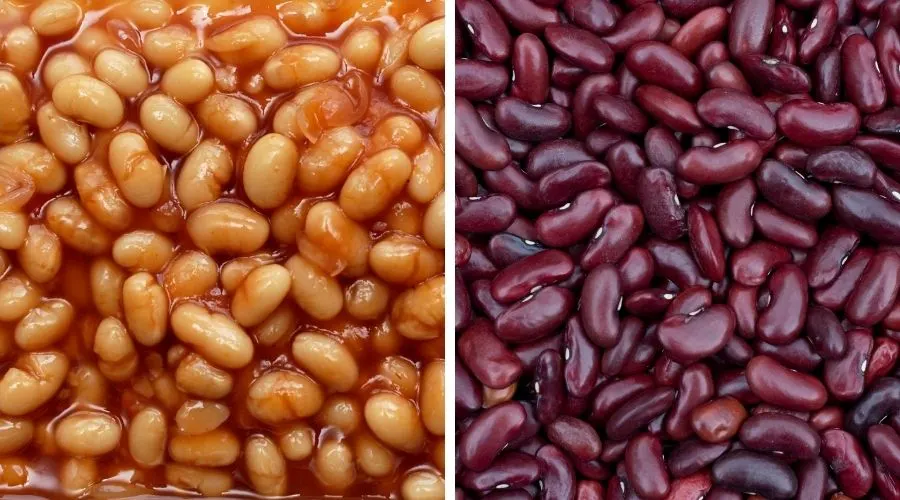
Baked beans, as we know them today, trace their origins to Native American cuisine, where tribes like the Narragansett would slow-cook beans with maple syrup and bear fat. European settlers in colonial America adapted this, using molasses and pork, leading to the iconic Boston baked beans. By the 19th century, commercial canning made baked beans a convenience food. Heinz popularized them in the UK in the late 1800s, marketing them as a British breakfast essential. Typically made from navy beans (small white beans) simmered in a tomato-based sauce with sugar, salt, and spices, baked beans embody comfort food. At Amoy Top Foods, our baked beans incorporate a subtle Asian flair, using premium soy-based seasonings for an umami boost that's perfect for fusion dishes.
Kidney beans, on the other hand, have a more ancient lineage. Named for their kidney-like shape, these beans (Phaseolus vulgaris) originated in the Andes of South America around 8,000 years ago. They spread to Europe via Spanish explorers in the 16th century and became integral to cuisines worldwide. In India, they're the star of rajma (red kidney bean curry); in Mexico, they're essential in chili con carne; and in the Caribbean, they're paired with rice. Kidney beans are larger, with a firm texture and nutty flavor, available dried or canned. Our Amoy Top kidney beans are sourced from high-quality farms, canned fresh to preserve their natural goodness, making them ideal for quick, healthy meals.
Historically, both beans have played roles in survival and nutrition. During World Wars, canned baked beans were rationed in the UK for their long shelf life and energy-providing carbs. Kidney beans sustained indigenous populations through harsh winters. While baked beans lean toward processed convenience, kidney beans often shine in their natural form, highlighting a key difference: one is sauce-laden, the other versatile and plain.
Nutritional Breakdown: A Side-by-Side Comparison
When it comes to nutrition, both baked beans and kidney beans pack a punch, but their profiles differ due to preparation methods. Let's break it down using data from reliable sources like USDA and nutrition comparison tools.
First, consider a standard serving: one cup (about 177g) of cooked kidney beans versus one cup of canned baked beans.
· Calories and Macronutrients: Cooked kidney beans offer around 219 calories, with 39.7g carbohydrates, 16.2g protein, and just 0.9g fat. They're high in complex carbs for sustained energy. Baked beans, however, clock in at about 238 calories per cup, with 54g carbs, 12g protein, and 1g fat. The extra carbs come from added sugars in the sauce, making baked beans sweeter but potentially less ideal for low-sugar diets.
· Fiber Content: Both are fiber powerhouses, aiding digestion and heart health. Kidney beans provide 16.5g of fiber per cup, including soluble fiber that lowers cholesterol. Baked beans offer about 10g, still impressive but lower due to processing. According to nutrition data, kidney beans edge out in total fiber, helping with satiety and blood sugar control.
· Protein and Amino Acids: Beans are excellent plant-based proteins. Kidney beans contain all essential amino acids, with lysine being particularly abundant. A comparison shows kidney beans have more protein per serving than baked beans, which can lose some nutrients in canning with sauce. For vegetarians, kidney beans are a better complete protein source when paired with grains.
· Vitamins and Minerals: Kidney beans shine here. They boast 8.4µg of vitamin K (versus 0.8µg in general beans), crucial for blood clotting and bone health. They're also richer in folate (230µg per cup), iron (5.2mg), and potassium (717mg). Baked beans provide decent folate and iron but often have added sodium (up to 500mg per serving), which can be a drawback for hypertension sufferers. Kidney beans have naturally low sodium if rinsed.
· Sugar and Sodium: This is where baked beans falter. Commercial varieties contain up to 15g of added sugar, contributing to empty calories. Kidney beans have minimal natural sugars (about 2g). Sodium in baked beans can reach 1,000mg per can, while plain canned kidney beans are around 200mg if low-sodium options are chosen. As per expert opinions, canned kidney beans are healthier overall due to less sugar and sodium.
From tools like Foodstruct and MyFoodData, kidney beans generally have a slight edge in micronutrients like magnesium, phosphorus, and copper. However, baked beans can be fortified with additional nutrients in some brands. At Amoy Top Foods, we prioritize low-sodium, no-added-sugar options in our kidney bean line, ensuring you get maximum nutrition without compromises.
Health Benefits: How Each Bean Supports Your Well-Being
Beans are hailed as superfoods by organizations like the American Heart Association for their role in preventing chronic diseases. But let's see how baked and kidney beans stack up.
· Heart Health: Both reduce LDL cholesterol thanks to soluble fiber. Kidney beans' higher potassium content helps regulate blood pressure, potentially more than baked beans' sauce-heavy profile. Studies from MD Anderson Cancer Center note that beans like kidney (with 8g fiber per half-cup) are top for cardiovascular benefits.
· Weight Management and Diabetes Control: High fiber in both promotes fullness, but kidney beans' lower glycemic index (around 24) makes them better for blood sugar stability compared to baked beans (GI around 40 due to sugars). The Planetary Health Diet recommends up to 150g of legumes daily, favoring nutrient-dense options like kidney beans.
· Digestive Health: Fermentable fibers in beans feed gut bacteria, but kidney beans' higher content may offer more prebiotic benefits. Baked beans, while good, can cause more gas if not rinsed.
· Cancer Prevention and Bone Health: Antioxidants in kidney beans (like anthocyanins in their red skin) combat inflammation. Vitamin K abundance supports bones, giving kidney an advantage. NutritionFacts.org emphasizes that while both are healthful, home-cooked or low-sodium canned versions maximize benefits.
· Potential Drawbacks: Raw kidney beans contain lectins, which can cause toxicity if not cooked properly—always boil for 10 minutes. Baked beans' added sugars might contribute to obesity if overconsumed. Overall, experts like those at NDSU Extension agree beans provide protein, fiber, and minerals with minimal fat.
Incorporating Amoy Top Foods' beans into your diet can amplify these benefits. Our products are naturally nutritious, aligning with guidelines from the Bean Institute for fat-, sodium-, and cholesterol-free options.
Culinary Uses: Versatility in the Kitchen
The real fun begins in the kitchen, where these beans show their true colors.
Baked beans are convenience kings: pop open a can for instant sides at barbecues, breakfasts, or casseroles. Their sweet-savory sauce pairs with toast, hot dogs, or burgers. In fusion cooking, try our Amoy Top baked beans in stir-fries for an East-meets-West twist.
Kidney beans, with their robust texture, hold up in stews, salads, and curries. They're stars in chili, three-bean salads, or vegetarian burgers. Rinse them to remove excess sodium, then toss into soups or rice dishes. Their mild flavor absorbs spices beautifully, making them more versatile than pre-sauced baked beans.
Comparatively, kidney beans win for adaptability—use them plain or flavored—while baked beans are best for quick, no-fuss meals. Reddit discussions on r/EatCheapAndHealthy favor dried kidney beans for cost and control, but canned versions like ours save time.
Delicious Recipes Featuring Baked and Kidney Beans
To inspire you, here are detailed recipes using Amoy Top Foods products. Each serves 4 and highlights the beans' strengths.
Classic Baked Bean Casserole
Ingredients: 2 cans Amoy Top baked beans, 1 onion (chopped), 4 slices bacon (optional), 1/4 cup molasses, 1 tsp mustard, salt/pepper. Instructions: Preheat oven to 350°F. Sauté onion and bacon until crisp. Mix with beans, molasses, and mustard in a dish. Bake 45 minutes until bubbly. This hearty dish showcases the comforting sweetness of baked beans, perfect for family gatherings. Nutrition per serving: ~300 calories, high in fiber.
Spicy Kidney Bean Chili
Ingredients: 2 cans Amoy Top kidney beans (rinsed), 1 lb ground turkey, 1 onion, 2 garlic cloves, 1 can tomatoes, 2 tbsp chili powder, cumin, salt. Instructions: Brown turkey with onion and garlic. Add tomatoes, spices, and beans. Simmer 30 minutes. Serve with rice. Kidney beans add protein and texture, making this a low-carb, diabetes-friendly meal. Per serving: ~250 calories, 15g protein.
Fusion Bean Salad
Combine 1 can each of baked and kidney beans (rinsed), chopped veggies (cucumber, tomato, bell pepper), feta cheese, olive oil, lemon juice, herbs. Toss and chill. This blends the sauce from baked beans with kidney's firmness for a refreshing side.
Which is Best? The Verdict
So, baked beans vs. kidney beans—which wins? It depends on your needs. For quick comfort and flavor, baked beans are best, but watch the sugar. Kidney beans triumph in nutrition, versatility, and health benefits, with lower additives and higher micronutrients. As per National Geographic, all beans are great, but kidney's nuances make them a top pick.
At Amoy Top Foods, we recommend both—stock up on our canned varieties for convenience without sacrificing quality. Ultimately, incorporating either (or both!) supports a balanced diet.
In conclusion, whether you're team baked or kidney, beans are a win for health and flavor.What's your favorite bean dish? Share in the comments!