

Today is Jingzhe (惊蛰), the third of the twenty-four solar terms in the traditional Chinese calendar. Falling on March 5, 2026 (with the precise moment at approximately 21:58–21:59 UTC+8), this solar term marks a vivid turning point: spring thunder rumbles for the first time, awakening insects that have lain dormant through winter. The name itself — “Jingzhe” literally means “startling the hibernating insects” — captures the sudden burst of life as nature shakes off the last traces of winter.
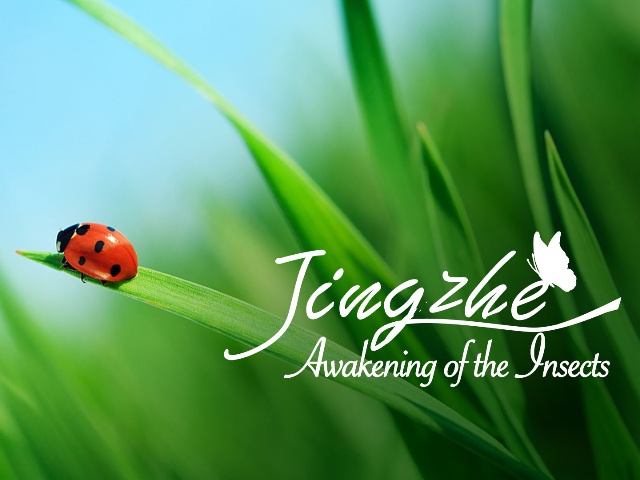
What Exactly Is "Awakening of Insects"?
The name itself is poetic. "Jing" means to startle or awaken, while "Zhe" refers to insects hibernating underground . Ancient Chinese wisdom holds that the first spring thunder cracks through the cold air, penetrates the earth, and rouses sleeping insects, reptiles, and even the roots of plants from their winter dormancy.
The Collection of Seventy-two Climatic Phenomena in the Monthly Orders explains it beautifully: "In the second lunar month... all things come out of Zhen, and Zhen is thunder, so it is called Jingzhe, which means that the hibernating insects are startled and come out" .
Interestingly, this solar term was originally called "Qizhe" (启蛰) during the Han Dynasty but was renamed to avoid the personal name of Emperor Liu Qi, reflecting how deeply these agricultural markers are woven into China's cultural fabric
In ancient agricultural society, Jingzhe carried immense practical significance. Farmers recognized this period as the true beginning of spring fieldwork. A well-known Chinese proverb says: “Once Jingzhe arrives, the hoe never rests” (过了惊蛰,锄头不停). Fields are plowed, seeds sown, and preparations made for the growing season ahead. The rapid rise in temperature (often crossing the 10°C threshold in many regions), increasing daylight, and more frequent spring rains create ideal conditions for germination and early growth.
The three phenological phases (三候) traditionally associated with Jingzhe beautifully illustrate this awakening:
1. Peach blossoms begin to appear (桃始华) — soft pink petals unfurl, announcing spring's arrival in orchards and gardens.
2. Orioles (or cuckoos) start to sing (仓庚鸣) — their clear calls echo through the warming air.
3. Hawks transform into doves (鹰化为鸠) — an ancient poetic observation (likely referring to behavioral changes or migration patterns) symbolizing the shift from winter's sharpness to spring's gentleness.
Beyond farming, Jingzhe inspired a range of folk customs that blend practical wisdom, health practices, and symbolic rituals:
· Eating pear (吃梨): The warming yet dry weather often brings throat irritation or coughs. Pears — sweet, juicy, and cooling in traditional Chinese medicine — help moisten the lungs and relieve dryness. Many families make a point to eat a pear on this day.
· Spring outing & enjoying early greens (踏青 & 尝春蔬): People head outdoors to appreciate blooming flowers, fresh willow branches, and the first edible wild herbs.
· Beating the petty person / appeasing the White Tiger (打小人 / 祭白虎): In southern regions like Guangdong and Hong Kong, this is the day associated with “White Tiger Opening Its Mouth.” Symbolic rituals (sometimes involving paper effigies and shoes) aim to ward off gossip, conflicts, and bad luck for the year ahead.
· Insect prevention & health precautions: Some traditions include scattering lime around doorways or shaking out clothes after the first thunder to symbolically drive away pests and protect against skin irritations.
A Time for Farmers, A Time for Feasts
For China's agricultural civilization, Jingzhe was never merely poetic—it was practical. "Once the Awakening of Insects comes, spring ploughing never rests" goes the old saying . The timing is critical: wheat enters its jointing stage, vegetables need planting, fruit trees blossom and require care .
Today, while many of us no longer till the soil, the rhythm still matters. In Shandong province, farmers combine ancient wisdom with modern technology—using drones and satellite positioning alongside generations of experience . The tools change, but the urgency remains.
In the modern world, most of us no longer rely directly on solar terms for planting schedules, yet Jingzhe still resonates. It reminds us to notice seasonal shifts — the longer days, the changeable weather, the subtle greening of trees — and to align our own rhythms with nature. Perhaps open a window to listen for distant thunder, take a walk among early blossoms, or simply enjoy a crisp pear while reflecting on what new beginnings this spring might bring.
As the ancient saying goes: after the startling thunder, everything revives. May this Jingzhe bring fresh energy, renewed clarity, and gentle awakenings — both in the fields and in our own lives.
Happy Jingzhe, everyone.