

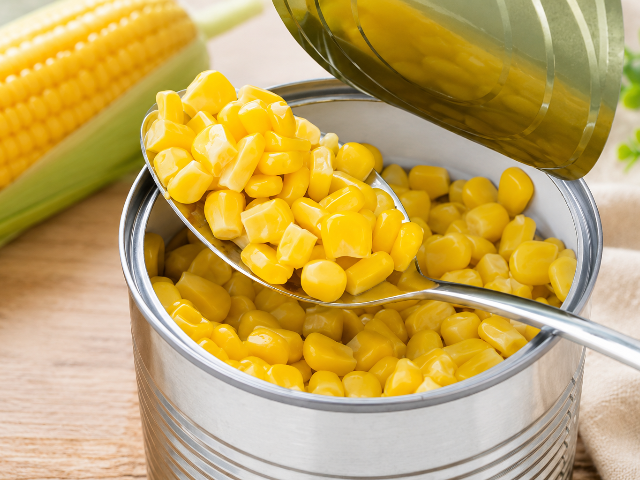
Canned sweet corn in the popular 425g and 400g sizes delivers consistent sweetness, crisp kernel texture, and year-round convenience. Whether you're a busy home cook throwing together a quick salad, a restaurant chef managing high-volume orders, or an importer sourcing for private label, these mid-size cans hit the sweet spot between portion control and practicality.
Here’s the thing: fresh sweet corn tastes amazing for those few weeks in season, but it goes downhill fast once picked. Canned kernel corn locks in peak ripeness flavor and nutrients within hours of harvest, making it a smarter, more reliable choice for most everyday uses.
At companies like Amoytop Foods, with factories in Zhangzhou and Dangshan, China, they’ve been perfecting this process for years. Their Hopeland and Freshsmile brands, along with strong OEM/ODM capabilities, supply markets across Southeast Asia, the Middle East, Europe, and beyond.
Why 425g and 400g Sizes Dominate Retail and Foodservice
These sizes aren’t random—they solve real problems. A standard 425g net weight tin (typically yielding 230-250g drained weight) gives you enough for a family meal or a commercial recipe batch without the waste or storage hassle of giant institutional cans.
In real projects we’ve seen, catering companies and ready-meal producers love the 425g format because it supports precise portioning. One Southeast Asian partner switched their corn salsa production line to these cans and reported cutting ingredient waste by around 15% while maintaining consistent flavor across batches.
Key specs you’ll encounter from quality producers:
· Net weight: 425g / 400g (common retail standards)
· Drained weight: Approximately 200-250g depending on brine fill
· Ingredients: Sweet corn kernels, water (or light brine)
· Shelf life: Up to 3 years when stored properly
· Certifications: HACCP, ISO, HALAL, and often FDA-compliant for exports
· Packaging options: Easy-open lids, standard tins, private label customization
Amoytop Foods, for example, offers flexible OEM/ODM services, allowing buyers to adjust cut sizes, brine levels, or even develop organic/low-sodium variants tailored to specific markets.
Understanding the Full Production Journey: From Field to Can
Honestly, this is where many buyers get confused. They look at two similar-looking cans on paper and assume they’re identical. In practice, the difference comes down to timing, variety selection, and process control.
Sweet corn for canning is harvested at peak ripeness—usually when sugar content is highest and kernels are plump but still tender. At top facilities, the window from field to factory is kept extremely tight, often under 4-12 hours, to prevent conversion of sugars to starch.
Here’s a closer look at a typical high-quality production line (like those run by experienced exporters):
1. Harvesting and Receiving: Mechanical harvesters pick ears at optimal maturity. Trucks deliver directly to the plant where incoming loads are inspected for quality.
2. Husking and Cleaning: High-speed machines remove husks and silk. Cobs are thoroughly washed to remove debris.
3. Kernel Cutting: Automated cutters strip kernels from the cob. Precision here matters—too aggressive and you get broken pieces; too gentle and yield drops.
4. Blanching: Brief hot water or steam treatment inactivates enzymes, sets color, and preserves texture and nutrients.
5. Filling and Brining: Clean kernels go into pre-sterilized cans with controlled amounts of water or light brine. Overfilling or underfilling affects final drained weight and quality.
6. Sealing and Retorting: Cans are sealed and then sterilized under high pressure and temperature (retort process) to achieve commercial sterility.
7. Cooling and Packaging: Rapid cooling prevents overcooking. Cans are labeled, packed into cartons, and palletized for shipment.
We’ve visited lines where thousands of cans per minute move through. One small delay in any step—say, slower cooling—can turn crisp kernels mushy. That’s why working with factories that control the full chain makes such a big difference.
Amoytop’s dual-factory setup (south and north China) gives them access to different growing regions and harvest windows, ensuring steadier supply throughout the season.
Nutritional Profile and Health Angle: What the Data Shows
Canned sweet corn often gets unfairly compared to fresh. In reality, it holds its own nutritionally. A typical 100g serving of drained canned sweet corn provides:
· Around 2g dietary fiber (supporting digestion)
· Good source of folate, vitamin C (though some loss from processing), and B vitamins
· Antioxidants like lutein and zeaxanthin for eye health
· Natural carbohydrates for energy
Because it’s packed at peak ripeness, some nutrients are actually better preserved than in fresh corn that’s shipped long distances and sits on shelves. Many health-conscious buyers now choose low-sodium or no-salt-added versions for better dietary fit.
In B2B contexts, we see increasing demand from baby food manufacturers and health-focused ready-meal producers who appreciate the clean-label potential when working with experienced ODM partners.
Real-World Applications: Beyond Basic Side Dishes
What many buyers overlook is just how versatile canned kernel corn really is. It’s not just “heat and serve.”
Home kitchen scenarios:
· Toss drained corn into green salads or pasta salads for natural sweetness and color.
· Mix into cornbread batter or casseroles where the moisture helps texture.
· Quick tacos or quesadillas—drain, season, and done.
Commercial and foodservice uses:
· Pizza toppings and sandwich fillings (holds up well under heat).
· Soups, chowders, and stews where it adds body.
· Mixed vegetable blends for institutional feeding programs.
· Ready-to-eat meal kits popular in urban markets.
One Middle Eastern distributor we know uses 425g cans in their private-label corn and bean salad line. Customers love the consistent plump kernels that don’t turn to mush after mixing. Another client in Southeast Asia incorporates it into stir-fried dishes with local spices— the slight crunch contrasts beautifully with softer ingredients.
Pro tip from the production side: If you’re using corn in delicate recipes, give it a light rinse to reduce sodium and packing liquid taste. For creamy dishes or baked goods, keep some of the liquid—it adds starch and body.
Packaging Engineering and Export Considerations
This is where things get tricky for new importers. Not all tins are created equal. Strong double seams, proper lacquer lining to prevent corrosion, and robust outer cartons matter enormously during sea transport, especially to humid tropical markets.
Amoytop and similar experienced exporters pay close attention to these details. They offer mixed container loading, different lid styles (easy-open vs standard), and pallet configurations optimized for container space.
We’ve seen shipments from less careful suppliers arrive with dented cans or label peeling due to moisture. Choosing partners with proven export experience and strong quality systems (HACCP, IFS) reduces these headaches significantly.
Common Challenges Buyers Face and How to Solve Them
Here’s a reality check: Not every can on the market delivers the same experience.
· Mushy texture: Often from over-blanching, slow cooling, or wrong variety. Solution: Work with suppliers who harvest specific sweet corn hybrids bred for canning.
· Starchy or bland taste: Corn harvested too late or delayed processing. Look for producers who emphasize speed from field to can.
· Inconsistent drained weight: Leads to recipe failures in commercial kitchens. Reputable factories maintain tight fill standards.
· Packaging failures: Weak seams or poor pallets during long voyages.
In one case, a European buyer switched suppliers after repeated quality complaints. The new partner (with full traceability) not only fixed the texture issues but also helped customize brine for local taste preferences.
Market Trends and Why Demand Keeps Growing
The global canned sweet corn category continues expanding steadily, driven by convenience, urbanization, and the need for shelf-stable foods. Rising foodservice demand, private label growth, and interest in versatile plant-based ingredients all support healthy category growth.
Buyers in emerging markets particularly value the long shelf life—no refrigeration needed until opened—which helps manage supply chain challenges.
Expanded FAQ Section
What is the actual difference between 425g and 400g canned sweet corn? They are very similar. 425g is a common labeled net weight in many international markets, while 400g appears frequently in others. Drained weights are comparable. Choose based on your target market’s retail norms.
Is canned sweet corn healthy compared to fresh or frozen? It retains excellent nutrition when processed correctly. Fiber, antioxidants, and vitamins hold up well. Opt for low-sodium versions when watching salt intake. Many experts note it’s often more practical and less wasteful than fresh corn out of season.
How should I store unopened and opened cans? Unopened: Cool, dry pantry—up to 3 years. Opened: Transfer to a glass or plastic container, refrigerate, and use within 3-4 days.
Can I get custom formulations through OEM/ODM? Yes. Experienced manufacturers like Amoytop offer adjustments in sweetness, salt content, kernel size, organic options, and packaging. MOQs are often flexible for serious buyers.
What certifications should I look for when importing? HACCP, ISO, HALAL, BRC/IFS for quality, plus any destination-specific requirements (FDA, EU compliance, etc.). Ask for third-party audit reports.
Best ways to use canned kernel corn in recipes? Salads, salsas, casseroles, pizzas, soups, fried rice, and baked goods. It shines in both hot and cold applications.
How do I evaluate supplier quality before placing a large order? Request samples, visit virtually or in-person if possible, check production videos, review certificates, and start with a trial container. Pay attention to consistency across batches.
Are there any common allergens or concerns? Plain canned sweet corn is generally allergen-friendly (corn, water). Always check labels for facility cross-contact if you have severe sensitivities.
Final Thoughts: Choosing Quality Matters
425g and 400g canned sweet corn remain go-to solutions because they deliver convenience, reliability, and great taste when sourced properly. The difference between an average can and an outstanding one often comes down to the supplier’s real production experience, attention to detail in processing, and willingness to customize through strong OEM/ODM capabilities.
Companies like Amoytop Foods, with their integrated factories, established brands, and export-focused approach, understand these nuances deeply. They don’t just fill cans—they help partners build dependable product lines.
If you’re evaluating options for retail, foodservice, or private label, focus on partners who can show you the full journey from field selection to final shipment. The right canned sweet corn doesn’t just sit on a shelf—it makes meals easier, tastier, and more consistent, day after day.
Ready to discuss specifications for your market? Reach out to established producers for current quotes, samples, and customization possibilities. A reliable supply of quality canned kernel corn is one of those behind-the-scenes choices that makes everything else in your operation run smoother.