Why Tomato Ketchup Is a Must-Have in the Kitchen
In a world filled with artisanal hot sauces, small-batch srirachas, and chef-curated condiment collections, tomato ketchup often gets dismissed as the plain, predictable cousin at the condiment family reunion. Yet this bright red squeeze-bottle staple has quietly maintained its position as the most universally loved and used sauce on the planet for over a century. It sits in more refrigerators than almost any other packaged food, outsells its nearest rival (mayonnaise) in many countries, and has become so embedded in global cuisine that we barely notice how often we reach for it.
There are very good reasons why tomato ketchup refuses to be displaced, even in the age of gourmet everything. It is the ultimate kitchen multitool: a flavor enhancer, a cooking ingredient, a cultural icon, and, when you run out of everything else, dinner’s best friend. Here’s why no kitchen should ever be without it.
1. The Perfect Balance of the Five Basic Tastes
Great cooking is about balance, and tomato ketchup is one of the few condiments that hits all five basic tastes in a single squirt:
· Sweet (from sugar and ripe tomatoes)
· Sour (from vinegar)
· Salty (obviously)
· Bitter (a subtle undercurrent from tomato seeds and spices)
· Umami (from fermented tomatoes and often added MSG or yeast extract)
This five-way harmony explains why ketchup pairs with such a ridiculously wide range of foods. French fries? Yes. Steak? Surprisingly yes. Eggs, noodles, rice, grilled cheese, hot dogs, hamburgers, fried chicken, shrimp cocktail, meatloaf, baked beans; ketchup flatters them all. It acts like a cheat code for making almost anything taste better without overpowering the main ingredient.
Chefs who sneer at ketchup in public are often the same ones who keep a bottle hidden in the walk-in for staff meal.
2. A Shockingly Versatile Cooking Ingredient
Most people think of ketchup only as a finishing condiment, but professional and home cooks have been using it as a primary ingredient for decades. Its concentrated tomato flavor, acidity, and natural pectin make it an ideal base for countless dishes.
Classic examples include:
· American meatloaf and barbecue sauce (ketchup is usually the #1 ingredient by volume)
· Filipino chicken afritada and menudo
· British (and Australian) curry sauce for chips
· Russian “red” borscht variations
· Thousand Island and Russian salad dressings
· Cocktail sauce (ketchup + horseradish + lemon + Worcestershire)
· Sweet-and-sour sauce (ketchup + vinegar + sugar + pineapple juice)
During the Great Depression and World War II rationing, ketchup stretched scarce ingredients further and added flavor to otherwise bland meals. That utility never went away; it just became less visible as prosperity returned.
Even Michelin-starred kitchens occasionally employ ketchup. Chef Heston Blumenthal famously used it in his triple-cooked chips recipe at The Fat Duck, and David Chang has admitted to using it in certain Momofuku sauces. When the world’s most innovative chefs aren’t too proud to use it, neither should you.
3. The Ultimate Emergency Pantry Hack
Picture this: it’s 9 p.m., the fridge contains three eggs, half an onion, and a nearly empty jar of pickles. Dinner seems hopeless. Then you spot the ketchup.
Fifteen minutes later you’re eating a respectable shakshuka, Spanish eggs in purgatory, or a Filipino bistek-style omelette. Ketchup’s high acidity and sugar content mean it can quickly become a respectable tomato sauce with nothing more than heat, a little water or stock, and whatever aromatics you have on hand.
Some of the best “I have nothing in the house” meals I’ve ever made started with ketchup:
· Ketchup fried rice (a Hong Kong café classic)
· 5-minute sweet and sour chicken (using frozen nuggets or leftover rotisserie)
· Quick sloppy joes
· Emergency barbecue pulled pork (slow cooker + pork shoulder + ketchup + vinegar + brown sugar)
In survival terms, ketchup has an extraordinarily long shelf life once opened (thanks to vinegar and sugar acting as preservatives) and delivers calories, flavor, and vitamin C. If society collapses, the people with ketchup will eat better than the people with truffle oil.
4. It Makes Children (and Many Adults) Eat Their Vegetables
Getting a reluctant toddler to eat broccoli is a battle as old as time. Offer the same broccoli with a side of ketchup for dipping and suddenly it disappears. Pediatric dieticians have long known this trick; ketchup is often the gateway condiment that turns fussy eaters into slightly less fussy eaters.
The phenomenon extends well into adulthood. I’ve watched grown men who claim to “hate vegetables” demolish entire bowls of roasted Brussels sprouts because they were tossed in a ketchup-based glaze before hitting the oven. The combination of sweetness and acidity masks bitterness in a way few other sauces can match.
5. Cultural Reach That Defies Geography
Tomato ketchup is one of the few truly global foods. You can find it in:
· Icelandic hot-dog stands (where it’s mixed with mustard and remoulade)
· Japanese okonomiyaki and tonkatsu
· Dutch friet speciaal (fries with ketchup, mayonnaise, and raw onions)
· Filipino banana ketchup spaghetti (a sweet legacy of World War II tomato shortages during WWII)
· Indian street chaat stalls (mixed with tamarind and chili)
· British chip shops (essential)
· Brazilian steak houses (served alongside farofa and vinaigrette)
Name another condiment with that kind of passport.
6. It’s Surprisingly Natural (If You Pick the Right Bottle)
The classic Heinz recipe is remarkably clean: tomatoes, distilled vinegar, sugar, salt, onion powder, garlic powder, and “spice.” That’s it. No artificial colors in most major brands anymore (they switched to more tomato concentrate years ago), and many “simply” or “organic” versions have eliminated high-fructose corn syrup.
Compare that ingredient list to most salad dressings, barbecue sauces, or even salsa, and ketchup starts looking positively wholesome. A tablespoon has about 20 calories, a gram of sugar (less than many fruits), and a decent hit of lycopene, the antioxidant linked to heart health and cancer prevention.
7. The Sound of Summer
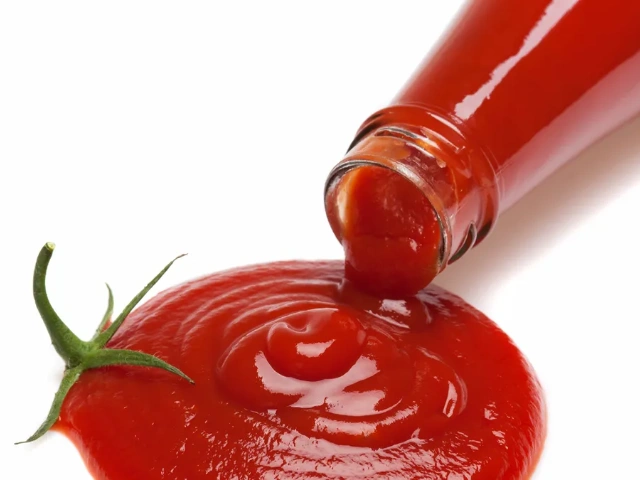
There is something uniquely satisfying about the glug-glug-glug of ketchup hitting a plate of golden fries on a summer evening. It’s the sound of backyard barbecues, little-league games, county fairs, and road-trip diners. Ketchup carries nostalgia the way few other foods do. Even people who claim they “outgrew” ketchup often relapse the moment they smell charcoal and grilled meat.
8. It Improves Cheap Food Dramatically
Let’s be honest: not every meal can be wagyu with bordelaise. Most weeknight dinners are ground beef, frozen pizza, or reheated takeout. Ketchup is the great equalizer. It can rescue an overcooked burger, liven up bland frozen nuggets, or make cafeteria tater tots feel like a treat. In an era of rising grocery prices, having a 50-cent flavor bomb on hand is genuine kitchen wisdom.
9. You Can Make Your Own (But You Probably Don’t Need To)
Part of ketchup’s magic is how easy it is to produce at industrial scale with consistent results. Homemade ketchup is fun once a year when you have a glut of garden tomatoes, but store-bought versions have the advantage of slow-simmered depth that’s hard to replicate at home without a full day of cooking.
The big brands have spent 150 years perfecting viscosity, shelf life, and flavor balance. Respect the craft.
10. It Refuses to Be Cancelled
Every decade someone declares that “ketchup is over” or that “real foodies don’t use ketchup.” In the 1980s it was because of sugar. In the 2000s it was high-fructose corn syrup. In the 2010s it was the clean-eating movement. In the 2020s it’s seed oils or ultra-processed food fears.
Yet ketchup sales keep climbing. Heinz alone sells more than 650 million bottles annually. People vote with their shopping carts, and the people have spoken: ketchup stays.
Final Squeeze
Tomato ketchup earns its permanent spot in the refrigerator door not because it’s trendy (it’s the opposite of trendy), but because it’s relentlessly useful. It makes food taste better, stretches ingredients, travels the world, survives apocalypses, comforts children, enables lazy cooking, and still manages to taste like summer in a bottle.
You can fill your pantry with gochujang, harissa, chimichurri, and yuzu kosho (and you should), but when the delivery driver is late, the kids are hangry, and you have exactly six minutes to get dinner on the table, you’ll reach for the ketchup.
And it will save you. Again.