

Executive Summary: A Structural Supply Gap Defines the 2026 Season
The global lychee industry enters the 2026 season under unprecedented supply pressure. Following the exceptionally large harvest of 2025, major production regions across China are experiencing a severe downturn commonly referred to as a "super small year." This cyclical decline has been intensified by unusually warm winter weather, which negatively affected flower bud differentiation and fruit setting.
As a result, fresh and processed lychee buyers are facing significant supply constraints across nearly all major growing areas. The combination of reduced production, rising harvesting costs, and increasing competition for industrial-grade fruit is expected to keep prices elevated throughout the season.
For importers, processors, and EU retail procurement teams, early purchasing decisions and diversified sourcing strategies will be critical to securing stable supplies during 2026.
Why Is Lychee Production Falling in 2026?
The primary reason behind the 2026 shortage is the natural production cycle of lychee trees. After producing a record-breaking crop in 2025, many orchards have entered an exhaustion phase, resulting in significantly reduced flowering and fruit development.
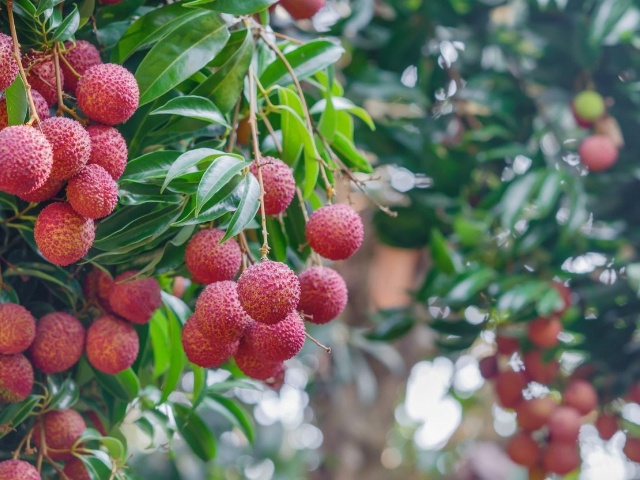
Several additional factors have contributed to the supply decline:
Warm winter temperatures reduced flower induction.
Lower flowering rates were reported across most production regions.
Uneven fruit set decreased overall yields.
Increased pest pressure threatens harvest quality.
Higher labor requirements are raising production costs.
Unlike localized weather events, these factors have affected multiple producing regions simultaneously, creating a structural supply shortage rather than a temporary market fluctuation.
Fujian Province: Strategic Importance in the 2026 Market
Production Outlook
Fujian remains one of China's most important lychee-producing regions, particularly for late-season exports. However, the province is experiencing a substantial structural decrease in production during 2026.
Although Fujian's northern location typically provides some protection from adverse climatic conditions, growers have reported significantly lower flowering rates compared with normal years. The heavy fruit load of 2025 has left many orchards unable to recover fully, leading to reduced fruit availability throughout the province.
Industry sources expect total production to remain well below historical averages, limiting export volumes and intensifying competition among buyers.
Key Export Varieties
Two varieties are particularly important for international markets:
Lanzhu Lychee
Lanzhu is highly valued for its attractive appearance, excellent sweetness, and strong consumer acceptance. The variety is frequently used in premium fresh fruit programs and selected processing applications.
Wuye (Black Leaf) Lychee
Wuye, commonly known as Black Leaf lychee, is a major commercial variety widely utilized for both fresh consumption and industrial processing. Reduced production in 2026 is expected to significantly limit export availability.
For buyers seeking premium late-season lychee products, supplies of both Lanzhu and Wuye are expected to be extremely tight.
Harvest Window
Fujian lychees typically enter the supply chain in early July, making the province a crucial source after southern production regions begin winding down.
In previous years, Fujian has often acted as a market stabilizer by providing additional supply during the late season. However, due to the severe production decline in 2026, this buffer effect is unlikely to materialize.
Consequently, elevated prices are expected to continue through the end of the season.
Regional Production Analysis
Guangdong Province
Guangdong remains China's largest lychee-producing region and the most important source for canned lychee processing.
Current forecasts estimate production between 876,400 and 1.3 million metric tons, representing a year-on-year decline of approximately 37% to 53%.
Because Guangdong supplies a large portion of the raw material used by canneries, the reduced crop is expected to have a direct impact on the availability and pricing of canned lychee products worldwide.
For processors, securing fruit contracts early will be essential.
Guangxi Province
Guangxi is facing one of the most significant declines among major producing regions.
Production is forecast at approximately 416,100 metric tons, nearly 60% lower than the previous season.
The province is an important supplier of industrial varieties such as Heiye and Heili, which are widely used in processing applications. Reduced output from Guangxi will place additional pressure on processors already competing for limited raw materials.
Sichuan Province
Sichuan presents one of the few positive developments in the 2026 market.
Production is expected to reach approximately 64,300 metric tons, representing an increase of nearly 96% compared with 2025.
While total volumes remain relatively small compared with Guangdong or Guangxi, Sichuan's expanded harvest will provide an important late-season supplement and help alleviate some supply pressure.
Nevertheless, the increase is insufficient to offset shortages in southern China.
Vietnam
Vietnam is also experiencing significant production challenges.
Major growing regions, including Bac Giang and Hai Phong, have reported substantial crop reductions, with estimates suggesting output may decline by approximately 50%.
This synchronized shortage across both China and Vietnam reduces the ability of international buyers to switch origins in response to price increases, further tightening global supply.
Impact on the Global Canned Lychee Industry
The effects of the 2026 crop shortfall extend well beyond the fresh fruit market.
As fresh market supplies shrink, processors are increasingly competing with exporters and domestic traders for available fruit. Industrial-grade varieties traditionally used for canning are now attracting higher demand from multiple channels.
Several consequences are already emerging:
Reduced availability of processing fruit.
Increased raw material costs.
Higher production expenses for canneries.
Tighter inventories for export markets.
Longer lead times for procurement contracts.
Importers of canned lychee should expect pricing pressure throughout the season and consider securing production slots as early as possible.
Key Cost Drivers for 2026
Rising FOB Prices
One of the most significant market developments is the sharp increase in FOB prices.
The shortage of fresh lychees is forcing buyers to compete aggressively for varieties such as Heiye, which are commonly used for industrial processing.
As demand shifts toward these varieties, processors face higher procurement costs that are ultimately reflected in export pricing.
Most industry participants expect FOB values to remain substantially above 2025 levels.
Labor Cost Inflation
Harvesting costs are also increasing.
In a normal year, workers can efficiently harvest large clusters of fruit concentrated throughout the orchard. In 2026, however, fruit distribution is sparse and uneven.
Workers must spend more time locating and picking smaller quantities of fruit, reducing productivity and increasing labor expenses per kilogram harvested.
This issue is affecting nearly all major production regions.
Logistics and Processing Challenges
Lower production volumes can create inefficiencies throughout the supply chain.
Processing facilities may operate below optimal capacity, increasing production costs per unit. At the same time, transportation expenses can rise because fruit is sourced from a wider geographic area to meet demand.
Combined with higher raw material costs, these factors contribute to overall price inflation.
Pest Risks and Quality Concerns
Another challenge facing the industry is increased pest pressure.
Agricultural monitoring agencies are forecasting medium-to-heavy occurrences of Fruit Borer infestations during the 2026 season.
The pest can damage fruit quality and significantly increase rejection rates during processing.
Potential consequences include:
Higher sorting and grading costs.
Increased raw material waste.
Lower processing yields.
Greater quality-control requirements.
Elevated production costs for exporters.
Processors will need to implement stricter inspection and quality assurance procedures to maintain export standards.
Procurement Recommendations for EU Retail Buyers
Given the exceptional market conditions expected in 2026, procurement teams should consider several strategic actions:
Secure Contracts Early
Waiting for peak harvest periods may expose buyers to supply shortages and higher prices. Early commitments can help secure production capacity and reduce procurement risk.
Diversify Supply Sources
Although shortages are widespread, sourcing from multiple regions can reduce dependence on any single production area.
Build Inventory Buffers
Retailers and distributors should evaluate inventory requirements carefully and consider larger safety stocks where feasible.
Maintain Supplier Communication
Regular communication with processors and exporters can provide valuable insights into crop development, pricing trends, and available production capacity.
Expect Elevated Pricing
Budget planning should account for higher FOB costs and tighter market conditions throughout the season.
Outlook for the Remainder of 2026
The 2026 lychee season is shaping up to be one of the most challenging in recent years. Production declines across Guangdong, Guangxi, Fujian, and Vietnam have created a structural supply gap that will influence both fresh and processed markets worldwide.
While increased production in Sichuan offers some support, it is unlikely to offset shortages elsewhere. Buyers should therefore prepare for continued supply constraints, rising procurement costs, and heightened competition for available fruit.
For importers, distributors, and EU retail procurement teams, proactive sourcing strategies and early purchasing decisions will be essential to navigating the 2026 lychee market successfully.