

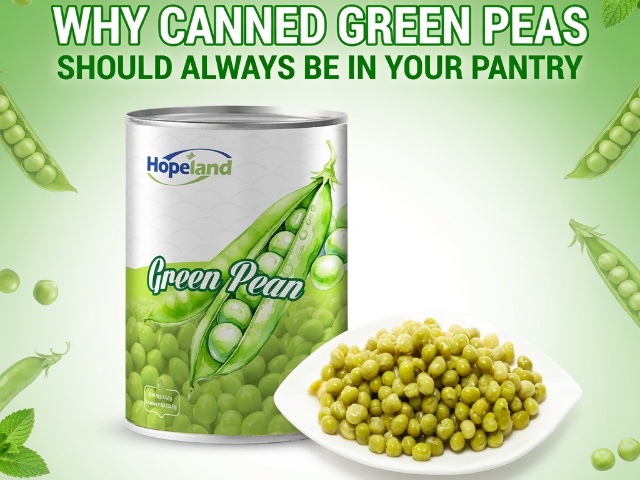
In the world of pantry staples, few ingredients offer the perfect trifecta of convenience, nutrition, and versatility quite like canned green peas. While trendy superfoods come and go, canned green peas remain a humble powerhouse that deserves a permanent spot on your shelves. Affordable, shelf-stable for years, and ready to use in minutes, they transform ordinary meals into nutrient-dense dishes without requiring a trip to the store or hours in the kitchen.
This article explores why keeping canned green peas stocked is one of the smartest decisions for busy families, health-conscious cooks, emergency preppers, and anyone seeking reliable, delicious food. From their impressive nutritional profile to endless culinary applications, canned green peas punch well above their weight.
A Brief History of the Humble Pea
Peas (Pisum sativum) have been cultivated for thousands of years, with evidence of their use dating back to Neolithic times in the Middle East and Europe. Initially grown as dry field peas for soups and porridges, the sweet green variety we enjoy today became popular in the early modern period. Canning revolutionized their availability. Peas were among the first vegetables commercially canned in the 19th century, making them accessible year-round regardless of season or location.
Today, canned green peas represent a triumph of food preservation technology. Harvested at peak ripeness, blanched, and sealed in cans with minimal processing, they retain most of their nutritional value while offering unmatched convenience.
Nutritional Powerhouse: What’s Inside a Can?
One of the strongest arguments for stocking canned green peas is their exceptional nutrient density. A typical ½-cup (about 125g) serving of canned green peas delivers:
· Calories: Around 60-80
· Protein: 3-4 grams
· Fiber: 3-5 grams
· Carbohydrates: 11-12 grams (with natural sugars)
They are naturally low in fat and provide a solid array of vitamins and minerals:
· Vitamin A: Supports vision, immune function, and skin health.
· Vitamin C: An antioxidant that boosts immunity and collagen production (though slightly reduced in canning, still meaningful).
· Vitamin K: Essential for blood clotting and bone health.
· Folate: Critical for cell division and preventing birth defects.
· Iron, Manganese, Magnesium, Potassium, and Phosphorus: These support energy production, bone strength, muscle function, and heart health.
Green peas stand out as a plant-based protein source, providing all nine essential amino acids in a highly digestible form compared to many other legumes. The combination of protein and fiber makes them exceptionally satiating, helping with weight management and blood sugar control. Studies highlight peas' role in promoting gut health through their fiber content, which feeds beneficial bacteria and supports regular digestion.
Antioxidants and phytonutrients like coumestrol add anti-inflammatory and potential anti-cancer properties. Regular consumption may help reduce risks of chronic conditions including heart disease, diabetes, and certain cancers.
Canned vs. Fresh vs. Frozen: The Practical Winner
Many wonder how canned peas compare nutritionally. Fresh peas are wonderful when in season but lose nutrients quickly after harvest. Frozen peas are excellent, often processed at peak ripeness. Canned peas undergo some nutrient loss (particularly heat-sensitive vitamins like C), but they retain protein, fiber, minerals, and many antioxidants effectively. The convenience factor is unbeatable—no thawing required, and they’re ready straight from the pantry.
For sodium-conscious consumers, low-sodium or no-salt-added varieties are widely available. Rinsing standard canned peas can reduce sodium further. Overall, the nutritional differences are minimal enough that convenience and cost often make canned the superior everyday choice.
Shelf Life and Emergency Preparedness
Unopened canned green peas typically maintain best quality for 3 years, though they remain safe far longer if the can is undamaged (no dents, swelling, or rust). This makes them ideal for emergency stockpiles, natural disaster kits, or long-term food storage. In a power outage or supply chain disruption, a few cans provide immediate, nutritious food that requires only heating.
Store them in a cool, dry place away from direct sunlight. Once opened, transfer leftovers to a non-metal container and refrigerate for up to 3-4 days.
Culinary Versatility: Beyond the Side Dish
The real magic of canned green peas lies in their adaptability. They absorb flavors beautifully and add color, texture, and nutrition to countless dishes.
Quick Everyday Ideas:
· Stir into mac and cheese, rice, or mashed potatoes for instant vegetable boost.
· Add to scrambled eggs, omelets, or fried rice.
· Mix into tuna, chicken, or egg salad.
· Puree with broth, garlic, and herbs for a lightning-fast pea soup.
Elevated Recipes:
Classic Pea and Ham Soup Sauté onions, carrots, and celery. Add diced ham, chicken stock, and two cans of drained peas. Simmer 15-20 minutes, season with pepper and thyme. Blend partially for creaminess. This comforting soup comes together in under 30 minutes.
Indian-Style Pea Curry (Matar Paneer or Aloo Matar) Sauté spices (cumin, turmeric, garam masala) with onions, garlic, and ginger. Add canned peas, diced potatoes or paneer, and tomato sauce. Simmer until flavors meld. Serve with rice or naan. The sweetness of peas balances bold spices perfectly.
Creamy Pea Pasta Toss hot pasta with drained canned peas, olive oil, garlic, lemon zest, Parmesan, and chili flakes. Add fresh herbs if available. A restaurant-quality meal in 15 minutes.
Pot Pie Filling Combine canned peas with cooked chicken or turkey, carrots, and a simple gravy. Top with biscuit dough or puff pastry for a hearty casserole.
Pea Fritters or Patties Mash peas with breadcrumbs, egg, onions, and spices. Pan-fry for crispy vegetarian bites. Serve with yogurt sauce.
Salads and Sides Cold peas shine in potato salad, pasta salad, or mixed with corn, carrots, and mayonnaise for a quick succotash-style dish. Warm them with butter, mint, and salt for a classic British side.
Creative Twists:
· Blend into hummus or dips for extra protein.
· Add to casseroles, shepherd’s pie, or enchilada fillings.
· Puree into smoothies (with banana and spinach to mask flavor) for a nutrient kick.
· Use in fried rice, stir-fries, or as pizza topping.
Canned peas work especially well in budget-friendly meals. They stretch expensive proteins and transform pantry basics into satisfying dinners.
Health Benefits in Depth
Weight Management: High fiber and protein promote fullness, reducing overall calorie intake. Their low energy density makes them ideal for volume eating.
Heart Health: Potassium helps regulate blood pressure. Fiber lowers cholesterol. Antioxidants combat inflammation.
Blood Sugar Control: The fiber slows carbohydrate absorption, leading to more stable glucose levels—beneficial for diabetes management.
Digestive Health: Both soluble and insoluble fiber support regularity and microbiome diversity.
Bone and Eye Health: Vitamin K and minerals strengthen bones. Vitamin A and lutein (though lower in canned) support vision.
Immune Support: Vitamins C and A, plus zinc, bolster defenses.
For athletes or those building muscle, peas offer a complete plant protein that’s easy on the digestive system.
Economic and Environmental Advantages
Canned green peas are among the most affordable vegetables, often costing under a dollar per can. They reduce food waste—no spoilage like fresh produce. By choosing them, you minimize trips to the store, saving time and fuel.
Environmentally, peas are nitrogen-fixing plants that improve soil health. Canning allows efficient distribution and reduces the carbon footprint associated with out-of-season fresh imports.
Potential Drawbacks and How to Address Them
The main concerns are added sodium and slightly softer texture compared to fresh or frozen. Choose low-sodium brands and rinse when needed. Texture works perfectly in cooked dishes; for raw applications, frozen might be preferable. Some find the flavor mild—enhance with herbs, spices, butter, or acids like lemon.
Allergies are rare but possible. Those with gout should note purine content, though moderate consumption is usually fine.
Tips for Buying and Storing
· Look for “no salt added” or low-sodium options.
· Check for BPA-free cans if concerned about liners.
· Store in a single layer if possible to check for damage easily.
· Rotate stock using the “first in, first out” method.
· Experiment with different brands—some have sweeter varieties.
Conclusion: A Pantry Essential for Modern Life
In an era of complicated diets and expensive ingredients, canned green peas offer simple, profound value. They provide reliable nutrition, endless recipe possibilities, emergency security, and economic sense. Whether you’re feeding a family on a budget, managing health goals, preparing for uncertainty, or simply seeking convenient ways to eat more vegetables, keeping several cans in your pantry is a small habit with outsized benefits.
Next time you’re at the grocery store, grab an extra few cans. Your future self—whether facing a hectic weeknight or an unexpected challenge—will thank you. Canned green peas aren’t glamorous, but they are genuinely one of the smartest, healthiest staples you can choose. Stock up, get creative, and enjoy the quiet power of this green pantry hero.