

Introduction
In the rich tapestry of Chinese festivals, the Laba Festival stands out as a poignant blend of ancient rituals, Buddhist influences, and familial warmth. Celebrated on the eighth day of the twelfth lunar month—known as "La Yue" or the "Preservation Month"—this festival marks a significant prelude to the grand Chinese New Year celebrations. The name "Laba" itself derives from "La," referring to the twelfth month, and "Ba," meaning eight. In 2026, for instance, it falls around January 18th on the Gregorian calendar, though the exact date varies annually due to the lunar system's alignment.
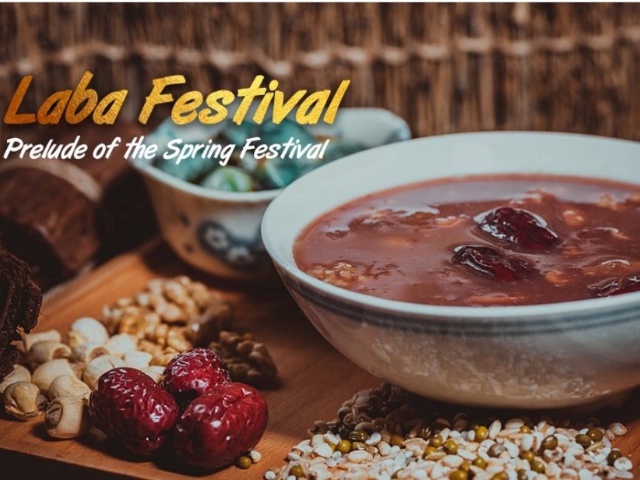
The Laba Festival is not merely a day of feasting; it encapsulates centuries of cultural evolution, symbolizing gratitude for the harvest, prayers for prosperity, and the enduring spirit of community. At its core is the tradition of consuming Laba congee, a nutritious porridge made from a medley of grains, beans, nuts, and dried fruits. This simple yet profound dish serves as a metaphor for harmony and abundance, reflecting the Chinese philosophy of unity in diversity. As families gather around steaming bowls, they honor ancestors, seek blessings from deities, and prepare mentally for the renewal that the New Year promises.
Beyond its culinary focus, the festival weaves together threads from agrarian societies, religious practices, and social customs. It is a time when the chill of winter gives way to hopeful anticipation, reminding participants of life's cyclical nature. In modern China, amidst rapid urbanization and globalization, the Laba Festival persists as a bridge between past and present, fostering cultural identity and familial bonds. This article delves deeply into the historical origins, customs, traditions, and cultural significance of the Laba Festival, exploring how it has endured through millennia while adapting to contemporary life.
Historical Origins
The roots of the Laba Festival stretch back over 2,000 years, predating even the formal establishment of many Chinese dynasties. Historical records trace its beginnings to the pre-Qin period (before 221 BCE), when it was intrinsically linked to ancient sacrificial rituals. During this era, the twelfth lunar month was designated for "La" ceremonies—elaborate offerings to ancestors and gods to express gratitude for the year's harvest and to implore protection and bountiful yields in the coming seasons. These rituals were communal affairs, involving entire villages in prayers, dances, and feasts, underscoring the agrarian society's dependence on nature's rhythms.
As Buddhism spread to China during the Han Dynasty (206 BCE–220 CE), the festival underwent a profound transformation. Legend has it that on the eighth day of the twelfth month, Siddhartha Gautama—the Buddha—attained enlightenment under the Bodhi tree after years of asceticism. This event, known as Bodhi Day in some Buddhist traditions, infused the Laba Festival with spiritual depth. Chinese Buddhists adopted this commemoration, blending it with existing folk practices. Temples began distributing congee to the poor, symbolizing compassion and enlightenment's nourishment.
By the Song Dynasty (960–1279 CE), the custom of eating Laba porridge had become widespread. Historical texts from this period, such as those in the "Dream of the Red Chamber" or imperial records, describe elaborate preparations where monasteries cooked massive vats of porridge using eight treasures—grains like rice, millet, and barley, combined with beans, nuts, and fruits. This "eight-treasure porridge" not only fed the masses but also reinforced social hierarchies, as emperors would partake and distribute it to courtiers.
The festival's popularity peaked during the Qing Dynasty (1644–1912 CE). Emperors like Qianlong elevated it to a state affair, hosting grand ceremonies at the Forbidden City. The royal family would offer Laba congee to ministers, symbolizing benevolence and unity. Archival documents reveal that the imperial kitchen prepared thousands of bowls, incorporating rare ingredients like lotus seeds and red dates, which were believed to bring longevity and good fortune.
Throughout these dynasties, the Laba Festival evolved from a purely agrarian ritual to a multifaceted celebration. Influences from Confucianism emphasized filial piety through ancestor worship, while Taoism added elements of harmony with nature. Even during turbulent times, such as the Mongol invasions or the Opium Wars, the festival provided continuity, a cultural anchor amid change.
In more recent history, the Republican era (1912–1949) and the founding of the People's Republic of China in 1949 saw efforts to preserve traditional festivals while aligning them with socialist values. Today, the Laba Festival is recognized as part of China's intangible cultural heritage, protected by UNESCO initiatives that highlight its role in promoting social cohesion and historical awareness.
Customs and Traditions
The heart of the Laba Festival lies in its customs, which vary by region but share common themes of preparation, consumption, and reflection. The most iconic tradition is the making and eating of Laba congee. Preparations begin days in advance, with families soaking ingredients overnight on the seventh day of the twelfth month—a practice known as "soaking Laba rice." The congee typically includes eight or more components: glutinous rice, red beans, mung beans, peanuts, walnuts, chestnuts, dried dates, and lotus seeds. Each ingredient carries symbolic meaning—red beans for warding off evil, dates for sweetness in life, and nuts for fertility.
Cooking the congee is a ritual in itself. In rural areas, it simmers over wood fires for hours, filling homes with aromatic steam that is said to drive away winter's cold and evil spirits. Urban families might use modern appliances, but the essence remains: sharing the first bowl with elders as a sign of respect. Leftovers are often frozen and eaten on subsequent days, believed to bring sustained luck.
Beyond congee, other customs enrich the day. In northern China, particularly Beijing, people make Laba garlic by soaking cloves in vinegar, turning them emerald green—a delicacy saved for Chinese New Year dumplings. This practice stems from the phonetic similarity between "garlic" (suan) and "calculate," symbolizing settling accounts before the new year.
Temple visits are another staple, especially in Buddhist regions like Sichuan or Tibet. Devotees offer incense, pray for enlightenment, and receive blessed congee from monks. Historical accounts from the Ming Dynasty describe massive distributions where temples fed thousands, fostering community welfare.
In southern provinces such as Guangdong, the festival incorporates local flavors, adding seafood or tropical fruits to the porridge. Ethnic minorities like the Dai or Miao infuse their versions with unique herbs, blending Han traditions with indigenous practices.
Children play a role too, reciting folk rhymes like "Laba, Laba, freeze your toes off," which humorously warn of winter's bite while teaching about seasonal changes. Games and storytelling sessions recount legends, such as the tale of a poor scholar who survived winter thanks to a magical porridge pot.
Ancestor worship remains central. Families set up altars with offerings of congee, fruits, and incense, bowing in reverence. This act reinforces Confucian values of filial piety, ensuring the spirits' blessings for the living.
Regional variations add diversity. In Shanxi, "Laba noodles" replace porridge, made from buckwheat for resilience against harsh winters. Coastal areas might include fish, symbolizing surplus. These adaptations highlight China's vast cultural mosaic, where the festival unites yet allows for local expression.
Cultural Significance
The Laba Festival's significance transcends mere celebration; it embodies core Chinese values. As a harvest thanksgiving, it reflects agrarian roots, reminding urban dwellers of their connection to the land. In a nation where food security has historically been paramount, the congee's abundance symbolizes resilience against famine, echoing lessons from the Great Leap Forward or ancient droughts.
Buddhist elements promote mindfulness and compassion. Eating simple porridge encourages humility, contrasting with the opulence of New Year feasts. It aligns with the Eightfold Path, where moderation leads to enlightenment.
Socially, the festival strengthens bonds. In extended families, it reunites generations, combating modern isolation. For migrant workers, it's a call home, boosting rural economies through travel and gifting.
Symbolically, Laba marks transition. As the "prelude to Spring Festival," it signals cleaning homes, settling debts, and preparing mentally for renewal. Proverbs like "After Laba comes the New Year" underscore this anticipation.
In literature and art, the festival inspires. Tang poets like Du Fu evoked its warmth in verses about winter survival, while Qing novels depicted imperial banquets. Modern media, from films to social platforms, revive interest, with influencers sharing recipes online.
Globally, diaspora communities in Singapore, the US, or Australia adapt it, using it to preserve heritage. In Singapore, where the user is located, Chinese Singaporeans blend it with local flavors, hosting multicultural potlucks.
Educationally, it teaches history and nutrition. Schools incorporate Laba activities, explaining ingredients' health benefits—beans for protein, nuts for omega-3s—promoting balanced diets.
Environmentally, the emphasis on seasonal, plant-based foods aligns with sustainability, encouraging reduced meat consumption.
Modern Celebrations
In contemporary China, the Laba Festival adapts to urbanization while retaining essence. Cities like Shanghai host public events: temple fairs with congee stalls, cultural performances, and workshops. Tech integrates via apps for virtual ancestor worship or recipe sharing.
Commercialization is evident—supermarkets sell pre-packaged Laba mixes, cafes offer gourmet versions with superfoods like quinoa. Yet, purists decry this, advocating homemade traditions.
Rural areas preserve authenticity: village feasts where elders lead rituals, passing knowledge to youth. Tourism boosts this, with sites like Shaolin Temple drawing visitors for authentic experiences.
Challenges include fading interest among youth, countered by government campaigns labeling it cultural heritage. Post-COVID, virtual celebrations via WeChat or Douyin maintain connections.
Internationally, Chinatowns worldwide host events. In New York, community centers distribute congee to the needy, echoing Buddhist charity.
Health trends elevate it: nutritionists praise the congee's fiber and antioxidants, fitting wellness movements.
Recipes and Variations
A classic Laba congee recipe serves 8:
Ingredients: 1 cup glutinous rice, 1/2 cup red beans, 1/2 cup mung beans, 1/4 cup peanuts, 1/4 cup walnuts, 1/4 cup chestnuts, 10 dried dates, 10 lotus seeds, sugar to taste.
Method: Soak beans overnight. Rinse rice. Boil all in 8 cups water, simmer 2 hours until creamy. Add sugar.
Variations: Vegan with coconut milk; savory with vegetables; luxurious with ginseng for elders.
Symbolism and Legends
Legends abound. One tells of Buddha's enlightenment, sustained by milk porridge from a shepherdess. Another of Emperor Wu rewarding loyal subjects with congee.
Symbols: Eight ingredients for eight immortals; round grains for completeness.
Global Influence
Overseas, it's a cultural export. In Southeast Asia, it's fused with local festivals; in the West, it's featured in multicultural events, promoting diversity.
Conclusion
The Laba Festival, with its ancient origins and modern vitality, remains a cornerstone of Chinese identity. As bowls of congee steam on tables worldwide, it whispers of gratitude, unity, and hope. In an ever-changing world, such traditions anchor us, promising that after winter's chill comes spring's bloom.