

Introduction
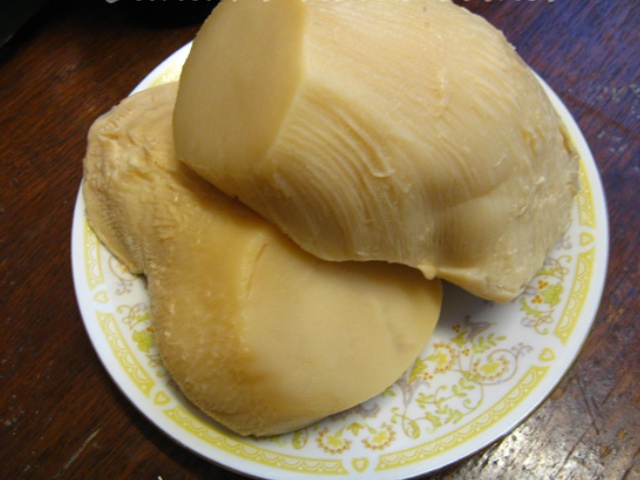
In the vast world of culinary delights, few ingredients offer the unique combination of texture, flavor, and versatility quite like the Bai Ling mushroom. Often referred to as "Bailing Mushroom" in some contexts—a possible anglicized spelling of its Chinese name "Bai Ling Gu" (白灵菇)—this rare edible fungus has captured the attention of food enthusiasts globally. Scientifically known as Pleurotus nebrodensis, the Bai Ling mushroom is a variety of oyster mushroom native to the grasslands and deserts of northwest China, particularly in regions like Xinjiang and Inner Mongolia. It is celebrated for its plump, meaty flesh that resembles abalone or scallops, earning it nicknames like "vegetarian abalone" or "white spirit mushroom."
Canned Bai Ling mushrooms make this exotic ingredient accessible year-round, preserving its fresh qualities through immediate processing after harvest. Typically packed in light brine or water, these mushrooms maintain a tender-crisp texture and a delicate umami flavor that elevates simple dishes to gourmet levels. Unlike common button mushrooms, Bai Ling mushrooms are larger, with caps that can span several inches, and they boast a richer, more satisfying bite. Their rarity in the wild—once harvested only seasonally—has led to controlled cultivation, ensuring a steady supply for canning.
The appeal of canned Bai Ling mushrooms lies in their convenience. No need for foraging or extensive prep; just open a can, drain, and incorporate into your cooking. Whether you're a novice home cook or a seasoned chef, this guide will walk you through everything from selection to advanced recipes. We'll explore its nutritional profile, preparation tips, basic cooking methods, and detailed recipes to help you create meals that are not only delicious but also nutritious. By the end, you'll see why this mushroom is a staple in Chinese cuisine and increasingly popular in fusion dishes worldwide.
Historically, Bai Ling mushrooms have been prized in traditional Chinese medicine and cuisine for centuries. Ancient texts describe them as a "precious edible fungus" with restorative properties. In modern times, they've become a symbol of healthy eating, often featured in vegetarian and vegan diets as a meat substitute. Their abalone-like texture makes them ideal for mimicking seafood in plant-based recipes, appealing to those seeking sustainable alternatives. With global interest in Asian flavors on the rise, canned Bai Ling mushrooms are now exported widely, available in Asian supermarkets or online.
As we delve deeper, remember that cooking with these mushrooms is about balance—enhancing their natural umami without overpowering it. Let's start with why you should incorporate them into your diet.
Nutritional Benefits
One of the standout features of Bai Ling mushrooms is their impressive nutritional profile, making them a smart choice for health-conscious eaters. Per 100g drained serving, they provide around 3-5g of protein, which is notably high for a vegetable, supporting muscle repair and satiety. They're low in fat (under 1g) and calories (typically 20-30kcal), ideal for weight management. This low-calorie density allows you to enjoy generous portions without guilt.
Rich in vitamins, Bai Ling mushrooms contain B-complex vitamins like niacin (B3), which aids in brain health, cholesterol regulation, and energy metabolism. They also offer thiamine (B1) for nerve function and riboflavin (B2) for skin health. Minerals abound too: selenium acts as an antioxidant to combat oxidative stress, while zinc, iron, phosphorus, and copper support immune function, bone health, and red blood cell production. Dietary fiber is another key benefit, promoting gut health and aiding digestion—studies link mushroom fiber to improved microbiota and reduced inflammation.
In traditional Chinese medicine, Bai Ling mushrooms are valued for their potential immune-boosting effects, similar to other medicinal fungi like cordyceps or poria. Research suggests they may stimulate immune cells, reduce tumor size in lab settings, and lower cholesterol. Their antioxidants help fight free radicals, potentially reducing risks of chronic diseases. For those with dietary restrictions, they're naturally gluten-free, vegan, and low-sodium when rinsed.
Incorporating them into meals can enhance overall wellness. For instance, their protein and fiber combo helps stabilize blood sugar, beneficial for diabetics. While not a superfood hype, their balanced nutrients make them a worthy addition to salads, stir-fries, or soups. Always consult a healthcare provider for specific health claims, but the evidence points to Bai Ling mushrooms as a flavorful way to boost nutrition.
Selecting and Storing Canned Bai Ling Mushrooms
When shopping for canned Bai Ling mushrooms, quality is key. Look for reputable brands like Hai Ji Shan or Amoy Top Foods, which ensure fresh harvesting and minimal processing. Check the label for "whole" or "sliced" options—whole pieces retain better texture. The brine should be clear or lightly cloudy, with ingredients limited to mushrooms, water, salt, and perhaps citric acid for preservation. Avoid cans with dents, rust, or bulging, as these indicate spoilage.
Opt for sizes like 425g or 815g based on your needs; drained weight is typically 40-50% of the total. Certifications such as HALAL, HACCP, or ISO guarantee safety and quality. In stores, they're often in the Asian or canned vegetable aisle.
Storage is straightforward: Unopened cans last up to 3 years in a cool, dry pantry. Once opened, transfer to an airtight container, refrigerate, and use within 3-5 days. Freezing drained mushrooms in portions extends life to 3 months—thaw in the fridge before use. Proper storage preserves their crispness and prevents off-flavors.
Preparation Tips
Preparing canned Bai Ling mushrooms is simple, but a few steps ensure optimal results. Start by draining the can over a sink, reserving the brine if you want to add umami to soups or sauces—it's flavorful but salty, so dilute as needed. Rinse the mushrooms under cool water to reduce sodium by up to 40%, especially for low-salt diets.
Slice or halve them based on your recipe; their thick flesh holds up well to cutting. For a meatier texture, pat dry with paper towels before cooking to promote browning. Avoid overcooking—they cook quickly (2-5 minutes) and turn mushy if boiled too long.
Enhance flavors by marinating in soy sauce, garlic, or ginger for 10-15 minutes. They're versatile: use whole for stews, sliced for stir-fries, or chopped for fillings. If using in cold dishes, blanch briefly to soften. Always taste-test; their natural sweetness pairs well with acids like vinegar or citrus to balance umami.
Safety note: Though canned, inspect for unusual odors or sliminess—discard if present. With these tips, you're ready to cook.
Basic Cooking Methods
Canned Bai Ling mushrooms shine in various cooking techniques, thanks to their robust texture. Here's how to master the basics:
Stir-Frying: The most common method in Chinese cuisine. Heat oil in a wok over medium-high heat, add aromatics like garlic and ginger, then toss in sliced mushrooms. Cook for 2-3 minutes until edges crisp. Season with soy sauce or oyster sauce for a quick side.
Simmering in Soups or Stews: Add to broths near the end to avoid sogginess. They absorb flavors beautifully in hotpots or miso soups, simmering for 5-10 minutes.
Steaming: For a healthy option, steam slices with vegetables for 5 minutes. Drizzle with sesame oil post-cooking.
Grilling or Roasting: Pat dry, brush with oil, and grill for 3-4 minutes per side or roast at 400°F for 10 minutes. This enhances their meaty quality.
Cold Preparations: Rinse and slice for salads; marinate in vinaigrette for antipasti.
Experiment with these to build confidence before trying full recipes.
Detailed Recipes
Now, let's dive into hands-on recipes. These showcase the mushroom's versatility, drawing from traditional and modern inspirations. Each serves 2-4 and takes under 30 minutes prep.
Recipe 1: Tofu with Bai Ling Mushroom Slices
This simple yet elegant dish pairs the silky tofu with the chewy mushrooms for a textural delight. It's vegetarian-friendly and highlights the mushroom's umami.
Ingredients:
· 1 block silken tofu
· 1 can Bai Ling mushrooms (use 1 large mushroom, sliced 1/4-inch thick)
· 2 cloves garlic, sliced
· 2 tbsp vegetarian oyster sauce
· 1/2 cup vegetable stock
· 1 tbsp Chinese cooking wine
· 1 tsp corn flour mixed with 2 tbsp water (thickener)
· Dash of white pepper
· Canola oil for frying
Instructions:
1. Pan-fry garlic slices until crispy and golden; set aside.
2. Steam tofu for 5 minutes; drain excess water.
3. Heat 1 tsp oil, sauté chopped garlic until fragrant.
4. Add stock, oyster sauce, and wine; bring to boil.
5. Stir in thickener and add mushroom slices.
6. Season with pepper; remove from heat.
7. Arrange mushrooms over tofu, pour gravy, garnish with garlic crisps.
8. Serve hot with rice.
This recipe yields a comforting meal, with the mushrooms absorbing the savory gravy perfectly.

Recipe 2: Vegetarian Abalone in Oyster Sauce with Broccoli
Mimicking abalone, this dish uses the mushroom's texture for a seafood-like experience without the sea.
Ingredients:
· 150g Bai Ling mushrooms, thinly sliced
· 200g broccoli florets
· 2 cloves garlic, chopped
· 5 ginger slices
· 1 tbsp olive oil
· For blanching: 1 tsp salt, 1 tsp oil, 300ml water
· Sauce: 2 tsp sesame oil, 2 tbsp vegetarian oyster sauce, 1/2 tsp dark soy sauce, 1/2 tsp soy sauce, 1/2 tsp sugar, 120ml water, 1 tsp tapioca starch in water
Instructions:
1. Blanch broccoli in salted, oiled water for 3 minutes; drain and plate.
2. Heat oil; stir-fry ginger and garlic until aromatic.
3. Add sesame oil and mushrooms; sauté 1 minute.
4. Season with sauces and sugar; add water, simmer covered for 20 minutes.
5. Thicken with starch paste.
6. Pour over broccoli; serve immediately.
The result is a glossy, flavorful plate that's restaurant-worthy.
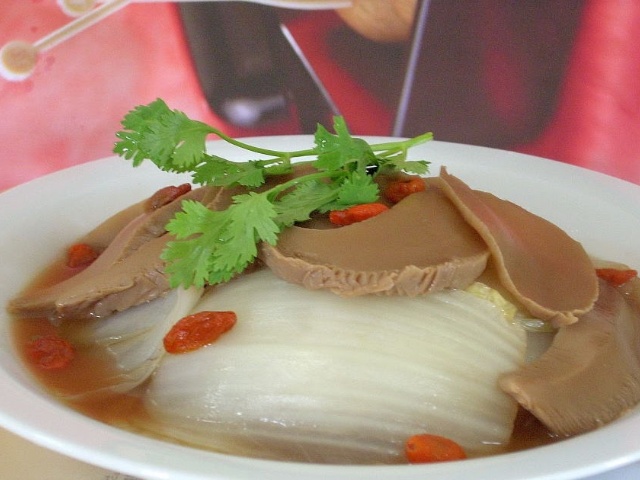
Recipe 3: Stir-Fried Miso Mushrooms
A fusion twist with Japanese miso for an earthy depth.
Ingredients:
· 1 packet fresh oyster mushrooms (or substitute with more Bai Ling)
· 1 large head canned Bai Ling mushrooms, sliced
· 2 tbsp cooking oil
· 1 tbsp butter
· 2 cloves garlic, minced
· 2 heap tbsp miso paste
· 3 tbsp water
· Chopped spring onions for garnish
Instructions:
1. Heat wok with oil and butter.
2. Fry garlic until fragrant.
3. Add miso, mixing well.
4. Toss in mushrooms, coating evenly.
5. Add water gradually to steam-cook.
6. Garnish with onions; serve.
Quick and addictive, perfect as a side.
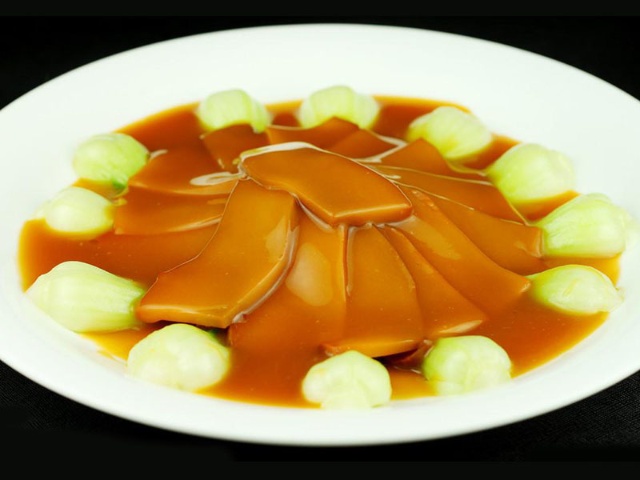
Recipe 4: Vegetarian Abalone Mushroom Pot
A steamed pot dish for gatherings, combining mushrooms for variety.
Ingredients:
· 1 pc Bai Ling mushroom, sliced
· 100g straw mushrooms
· 40g dried shiitake mushrooms, soaked and stemmed
· 100g fresh lotus seeds, blanched
· 200g canned vegetarian mock abalone (with juice)
· 200g baby Shanghai cabbage, trimmed and blanched
· 500ml mushroom stock
· 3 tbsp vegetarian oyster sauce
· 2 tbsp cornstarch in 6 tbsp water
· 20g Chinese wolfberries, soaked in wine
Instructions:
1. Blanch Bai Ling slices for 2 minutes.
2. Layer Bai Ling slices in a steaming bowl, overlapping.
3. Add other mushrooms, lotus seeds, mock abalone; pour some abalone juice.
4. Cover and steam 15-20 minutes.
5. Boil stock with oyster sauce; thicken with cornstarch.
6. Invert steamed bowl onto dish; arrange cabbage.
7. Pour sauce over; garnish with wolfberries.
This impressive dish serves 8, ideal for holidays.
Recipe 5: Simple Bai Ling Mushroom Stir-Fry (Bonus Quick Recipe)
For everyday: Sauté sliced mushrooms with garlic, soy sauce, and veggies like bell peppers. Cook 3-5 minutes; serve over rice.
These recipes demonstrate the mushroom's adaptability, from simple to elaborate.
Variations and Advanced Tips
Experiment by fusing with Western cuisines: Add to pasta alfredo or pizza toppings. For spice, incorporate chili in stir-fries. Vegan? Swap oyster sauce for mushroom-based alternatives. Pro tip: Pair with truffle oil for luxury.
Conclusion
Canned Bai Ling mushrooms offer endless culinary possibilities, blending health, flavor, and ease. From their Chinese origins to your table, they're a testament to nature's bounty. Start cooking today and discover your favorites!