

Canned green peas are one of the most convenient and versatile ingredients in any pantry. Whether you're a busy parent looking for a quick weeknight side dish, a home cook experimenting with new flavors, or someone seeking budget-friendly, nutritious meals, canned green beans deliver reliable results with minimal effort. Unlike fresh beans that require trimming and blanching, canned varieties are already cooked, tender, and ready to eat straight from the can—though a few simple enhancements can transform them into something truly special.
This comprehensive guide explores everything you need to know about working with canned green beans. We'll cover their history, nutritional profile, selection tips, basic preparation methods, and over a dozen recipe ideas ranging from classic American comfort food to international-inspired dishes. By the end, you'll have the confidence to elevate this humble staple into restaurant-worthy creations. The recipes here emphasize flavor balance, texture contrast, and creative seasonings while keeping preparation times under 30 minutes for most options.
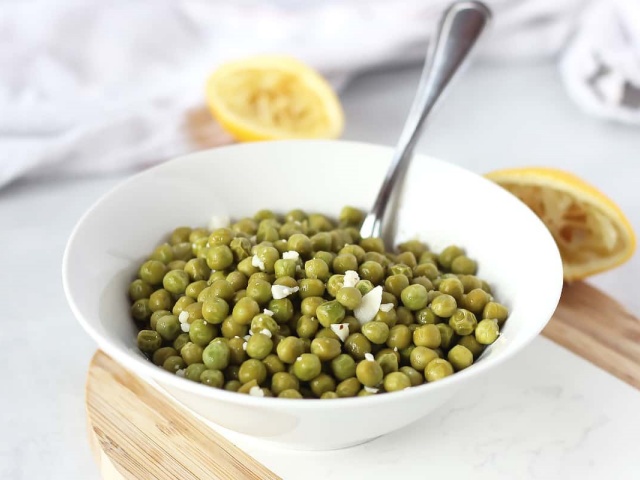
A Brief History and Why Canned Green Peas Matter
Green beans, also known as string beans or snap beans, trace their origins to Central and South America. They were cultivated by indigenous peoples long before European explorers brought them back to the Old World in the 16th century. Today, they are a global crop, prized for their crisp texture and mild, grassy flavor.
Canning preserved this vegetable for year-round enjoyment. The process, pioneered in the early 19th century, involves harvesting beans at peak freshness, cleaning them, cutting them into uniform pieces, and sealing them in tins with water or brine. This method locks in nutrients and extends shelf life up to several years. During the World Wars, canned vegetables became essential for soldiers and civilians alike, cementing their place in modern pantries.
In contemporary kitchens, canned green beans shine because they reduce food waste and prep time. A single can provides multiple servings at a fraction of the cost of fresh produce, especially during off-seasons. They are naturally low in calories, fat-free, and a good source of fiber, vitamins, and minerals.
Nutritional Benefits of Canned Green Beans
One 14.5-ounce (411g) can of green beans typically yields about 3.5 servings. Per serving (roughly ½ cup drained):
· Calories: 20–30
· Protein: 1–2g
· Dietary Fiber: 2–3g
· Vitamin C: Up to 10% of daily value
· Vitamin K: Significant amounts supporting bone health and blood clotting
· Folate and Iron: Helpful for energy and red blood cell production
· Antioxidants: Including beta-carotene and lutein for eye health
Canning does cause some loss of water-soluble vitamins like Vitamin C compared to fresh, but the difference is minor when you consider convenience. To maximize nutrition, choose low-sodium varieties and rinse thoroughly to reduce added salt. Pairing them with vitamin C-rich foods (like tomatoes or bell peppers) enhances iron absorption.
Green beans also support digestive health through insoluble fiber and contribute to heart health with their potassium content. For diabetics or those watching carbs, they are an excellent low-glycemic option.
Selecting and Storing Canned Green Beans
When shopping, look for cans labeled "cut green beans," "French-style" (thinly sliced), or "whole." Avoid dented, bulging, or rusted cans. Low-sodium or no-salt-added options are ideal for health-conscious cooks. Organic varieties ensure fewer pesticides.
Store unopened cans in a cool, dark pantry for up to 3–5 years. Once opened, transfer leftovers to an airtight container and refrigerate for up to 4 days. Drain and rinse beans before use to remove excess sodium and canning liquid, which can taste metallic.
Basic Preparation Techniques
Draining and Rinsing: Always drain in a colander and rinse under cold water. This removes about 30–40% of the sodium.
Heating Methods:
· Stovetop: Sauté in butter or olive oil with garlic, salt, and pepper for 5–7 minutes.
· Microwave: Place in a microwave-safe dish with a splash of water or broth; heat on high for 2–3 minutes.
· Oven: Roast at 425°F (220°C) with oil and seasonings for 15–20 minutes for caramelized edges.
· Slow Cooker: Add to soups or casseroles during the last hour of cooking.
Flavor Boosters: Garlic, onions, bacon, lemon zest, soy sauce, chili flakes, herbs (dill, thyme, rosemary), nuts, and cheeses pair beautifully.
Now, let's dive into delicious recipes.
Recipe 1: Classic Green Bean Casserole (Serves 6–8)
This Thanksgiving staple gets a modern update while honoring its creamy, crunchy roots.
Ingredients:
· 2 cans (14.5 oz each) cut green beans, drained and rinsed
· 1 can (10.5 oz) condensed cream of mushroom soup
· ½ cup milk
· 1 tsp soy sauce
· ½ tsp black pepper
· 1 cup French fried onions (divided)
· ½ cup shredded cheddar cheese (optional)
· ¼ cup sliced almonds or crispy bacon bits for extra crunch
Instructions:
1. Preheat oven to 350°F (175°C). Grease a 1½-quart casserole dish.
2. In a large mixing bowl, combine drained green beans, cream of mushroom soup, milk, soy sauce, pepper, ½ cup fried onions, and cheese if using. Mix gently to avoid breaking beans.
3. Transfer to the prepared dish. Bake uncovered for 25 minutes until bubbly.
4. Sprinkle remaining ½ cup fried onions and almonds on top. Bake another 5–10 minutes until golden and crispy.
Prep Time: 10 minutes | Cook Time: 35 minutes | Total: 45 minutes
Variations: Add sautéed mushrooms and fresh thyme for earthiness. For a vegan version, use mushroom soup made with plant milk and omit cheese. Gluten-free fried onions are widely available.
This casserole offers creamy comfort with textural contrast from the crispy topping. It pairs wonderfully with roast turkey, ham, or grilled chicken. Leftovers reheat well and make excellent next-day sandwiches when tucked into a wrap.
(Word count so far: ~650)
Recipe 2: Mediterranean Green Bean Salad (Serves 4)
A bright, refreshing cold salad perfect for picnics or light lunches.
Ingredients:
· 2 cans green beans, drained and rinsed
· 1 cup cherry tomatoes, halved
· ½ red onion, thinly sliced
· ½ cup Kalamata olives, pitted
· ⅓ cup crumbled feta cheese
· ¼ cup fresh parsley and dill, chopped
· 3 tbsp extra-virgin olive oil
· 2 tbsp red wine vinegar
· 1 tsp Dijon mustard
· 2 garlic cloves, minced
· Salt and pepper to taste
· Optional: 1 can chickpeas for added protein
Instructions:
1. Pat dry the rinsed green beans to remove excess moisture.
2. In a large bowl, whisk together olive oil, vinegar, mustard, garlic, salt, and pepper.
3. Add green beans, tomatoes, onion, olives, herbs, and chickpeas (if using). Toss gently.
4. Top with feta. Let sit 15–30 minutes for flavors to meld. Serve chilled or at room temperature.
Tips: For extra flavor, add lemon zest or a pinch of oregano. This salad keeps well in the fridge for 2–3 days.
The Mediterranean flavors bring sunshine to your table. It's naturally vegetarian and easily made vegan by omitting feta.
Recipe 3: Garlic Sesame Stir-Fried Green Beans (Serves 4)
An Asian-inspired side ready in under 15 minutes.
Ingredients:
· 2 cans green beans, drained
· 2 tbsp sesame oil
· 4 garlic cloves, thinly sliced
· 1 tbsp fresh ginger, minced
· 2 tbsp soy sauce or tamari
· 1 tbsp honey or maple syrup
· 1 tsp chili flakes or sriracha
· 2 tsp toasted sesame seeds
· Sliced scallions for garnish
Instructions:
1. Heat sesame oil in a large skillet or wok over medium-high heat.
2. Add garlic and ginger; stir-fry 30 seconds until fragrant (do not burn).
3. Add green beans. Stir-fry 5–7 minutes until they start to blister and caramelize.
4. Pour in soy sauce, honey, and chili. Toss to coat evenly for another 2 minutes.
5. Remove from heat, sprinkle with sesame seeds and scallions. Serve immediately.
This dish shines alongside teriyaki chicken, salmon, or tofu. The high heat creates delightful charred spots that mimic fresh beans.
Recipe 4: Hearty Green Bean and Ham Soup (Serves 6)
Ingredients:
· 2 cans green beans
· 1 onion, diced
· 2 carrots, sliced
· 2 celery stalks, chopped
· 2 cups diced ham or smoked turkey
· 4 cups chicken or vegetable broth
· 2 potatoes, cubed
· 2 bay leaves
· 1 tsp thyme
· Salt and pepper
Instructions:
1. Sauté onion, carrots, and celery in a pot until softened.
2. Add ham, broth, potatoes, bay leaves, and thyme. Simmer 15 minutes.
3. Stir in green beans and cook 5–10 more minutes. Adjust seasoning.
Serve with crusty bread. This soup is filling, economical, and freezes beautifully.
Additional Recipes and Ideas
Green Bean Tater Tot Casserole: Layer green beans, cream of chicken soup, cheese, and top with tater tots. Bake until golden.
Indian-Style Spiced Green Beans: Sauté with cumin seeds, turmeric, coriander, and a squeeze of lime. Add coconut milk for creaminess.
Green Bean and Bacon Salad: Crispy bacon, red potatoes, and a warm vinaigrette.
Cheesy Green Bean Gratin: Top with béchamel sauce and breadcrumbs, then broil.
Mexican Green Beans: Simmer with salsa, corn, cumin, and cilantro. Top with cotija cheese.
Green Bean Stir-Fry with Beef: Quick weeknight meal with flank steak and oyster sauce.
Pickled Green Beans: Quick refrigerator pickles using vinegar, dill, and garlic.
Green Bean Pesto Pasta: Toss with cooked pasta, pesto, cherry tomatoes, and Parmesan.
Thanksgiving Green Bean Bundles: Wrap bundles in bacon, glaze with brown sugar, and bake.
Low-Carb Green Bean Mash: Blend cooked beans with garlic and cream for a mashed potato alternative.
Advanced Tips, Troubleshooting, and Variations
To prevent mushiness, avoid overcooking. For added texture, broil or air-fry briefly. Enhance umami with Worcestershire sauce, nutritional yeast, or miso paste.
Common issues: Too salty? Rinse more thoroughly and use unsalted broth. Bland? Amp up acid (lemon/vinegar) and alliums. Watery casserole? Drain beans well and add cornstarch slurry.
Dietary adaptations: Keto-friendly with heavy cream and cheese; vegan with plant-based soups and toppings; gluten-free by checking labels.
Pairings: Roast meats, grilled fish, quinoa bowls, or as a topping for baked potatoes.
Storage: Cooked dishes last 3–4 days refrigerated. Freeze casseroles up to 3 months.
Sustainability note: Canned goods reduce transportation emissions compared to out-of-season fresh produce.
Conclusion
Canned green beans prove that convenience and deliciousness go hand in hand. From nostalgic casseroles to vibrant salads and global fusions, these recipes showcase their adaptability. Experiment freely—seasonings, add-ins, and cooking methods offer endless possibilities. Stock your pantry today and discover how this simple vegetable can anchor countless satisfying meals.
With practice, you'll develop signature twists that make canned green beans a family favorite. Whether feeding a crowd or cooking for one, these ideas deliver flavor, nutrition, and ease every time.