

When convenience, quality, and consistent supply matter, canned tuna remains one of the most practical seafood products for households, foodservice operators, retailers, and food manufacturers around the world. Among the many canned tuna formats available today, tuna chunks made from skipjack tuna and packed with an easy-open lid offer an excellent combination of taste, texture, convenience, and commercial value.
For importers and distributors, choosing the right tuna product is not simply about price. Factors such as tuna species, cut style, packing medium, can size, opening convenience, appearance, texture, and supply stability can all influence the success of a product in the market.
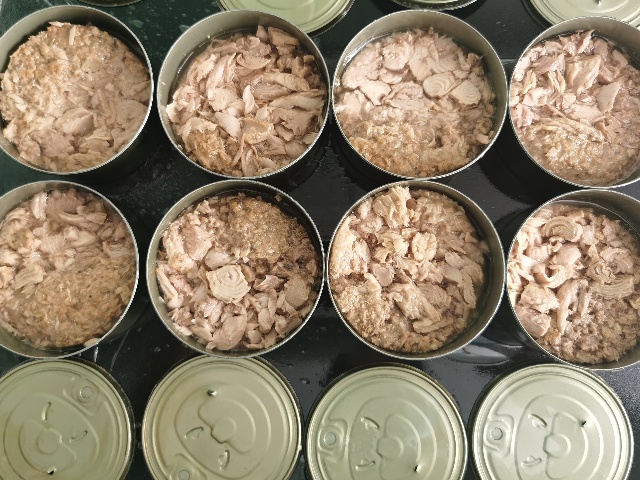
Our Tuna Chunks — Easy-Open Lid, Skipjack with VB are designed for customers looking for a convenient and versatile canned seafood option. Skipjack tuna provides a naturally rich seafood flavor and firm texture, while the chunk format makes the product suitable for a wide range of applications. The easy-open lid further improves convenience, eliminating the need for a traditional can opener.
What Is Tuna Chunks with Skipjack?
Tuna chunks are pieces of tuna meat packed into a can and preserved through a controlled heat-processing process. Compared with tuna flakes, which are generally smaller and more broken apart, tuna chunks retain a more substantial piece structure.
For many consumers, this makes tuna chunks particularly attractive because they provide a satisfying bite while remaining easy to mix into salads, sandwiches, pasta, rice dishes, and other recipes.
Skipjack tuna is one of the most widely used tuna species in the global canned tuna industry. Its meat has a characteristic tuna flavor, a firm yet tender texture, and good suitability for canning.
Skipjack is also commonly used in commercial canned tuna because it offers a practical balance between seafood quality and cost. This makes it especially suitable for retail products aimed at consumers who want convenient protein without paying the premium associated with some higher-priced tuna species.
The combination of skipjack tuna + chunk format + easy-open lid creates a product that is suitable for both everyday consumption and foodservice applications.
What Does “VB” Mean in Canned Tuna?
In canned tuna specifications, VB generally refers to vegetable broth or vegetable-based liquid, depending on the product specification and market terminology.
The packing medium plays an important role in the final characteristics of canned tuna. It can influence flavor, moisture, texture, and the way the tuna performs when used in recipes.
For buyers, it is important to confirm the exact packing medium and ingredient declaration required for their target market before placing an order. Depending on the formulation, tuna can be offered in different packing liquids, such as vegetable broth, brine, or oil.
For customers who prefer a lighter and more versatile tuna product, a vegetable-based packing medium can be an attractive choice. It allows the tuna flavor to remain prominent while providing sufficient moisture to maintain a pleasant texture after processing.
Why Choose Skipjack Tuna for Canned Tuna Products?
There are several reasons why skipjack tuna is widely used in canned seafood products.
1. Naturally Rich Tuna Flavor
Skipjack has a distinctive seafood flavor that works well in many recipes. It can be enjoyed directly from the can or combined with vegetables, sauces, grains, pasta, and other ingredients.
For manufacturers developing tuna-based products, its recognizable flavor provides a reliable foundation for different recipes.
2. Firm and Pleasant Texture
Texture is one of the most important characteristics of canned tuna.
Good-quality tuna chunks should maintain a reasonably firm structure after thermal processing. They should not become excessively mushy or completely disintegrate when removed from the can.
Skipjack tuna can provide a satisfying texture when appropriate raw materials, processing parameters, and packing methods are used.
3. Versatile Applications
Tuna chunks can be used in numerous dishes, including:
· Tuna sandwiches
· Tuna salads
· Pasta dishes
· Pizza toppings
· Rice bowls
· Sushi-inspired recipes
· Wraps
· Tuna melts
· Seafood salads
· Ready-to-eat meals
· Catering dishes
· Food manufacturing
This versatility makes tuna chunks an attractive product for both retail and foodservice customers.
4. Competitive Commercial Position
For importers and distributors, product positioning is essential. Skipjack tuna can offer an attractive balance between quality and commercial competitiveness.
This makes it possible for buyers to develop products for mass-market retail, supermarkets, wholesalers, restaurants, and foodservice channels.
Why Is an Easy-Open Lid Important?
Packaging convenience has become increasingly important in the modern food industry.
Traditional cans usually require a separate can opener. While this type of packaging remains widely used, consumers increasingly prefer products that can be opened quickly and conveniently.
An easy-open lid, also known as an easy-open end, allows consumers to open the can by pulling the attached tab.
There is no need to search for a can opener, making the product particularly convenient for:
· Home kitchens
· Offices
· Dormitories
· Outdoor activities
· Travel
· Camping
· Restaurants
· Catering operations
· Emergency food storage
For retailers, easy-open packaging can also help position canned tuna as a modern convenience food.
Convenience for Busy Consumers
Modern consumers often have less time to prepare meals from scratch. Canned tuna solves part of this problem because it is ready to use after opening.
With an easy-open lid, the preparation process becomes even simpler.
A consumer can simply:
1. Open the can.
2. Drain or use the tuna with its packing medium according to the recipe.
3. Add it to the selected ingredients.
4. Serve immediately or continue cooking.
This makes tuna chunks particularly suitable for quick meals.
A simple can of tuna can become a sandwich filling in minutes, a protein source for a salad, or an ingredient in a pasta dish.
Tuna Chunks vs. Tuna Flakes
Both tuna chunks and tuna flakes have their own applications, but they provide different eating experiences.
Tuna chunks generally contain larger, more recognizable pieces of tuna meat. This makes them attractive for recipes where the appearance and texture of the tuna are important.
Tuna flakes are smaller pieces that are easier to blend into sauces, fillings, spreads, and processed foods.
For retail products positioned around quality and visible tuna pieces, chunks can provide a stronger consumer impression.
For food manufacturers looking for easy mixing and uniform distribution, flakes may sometimes be preferred.
Therefore, the best format depends on the customer's target market and application.
How Can Tuna Chunks Be Used?
One of the greatest advantages of canned tuna is its versatility.
Tuna Salad
Tuna chunks can be mixed with lettuce, cucumber, tomato, sweet corn, carrots, and other vegetables.
A simple dressing can transform the ingredients into a nutritious and convenient meal.
Tuna Sandwich
Tuna chunks can be combined with mayonnaise, pepper, sweet corn, onion, or pickles and used as a sandwich filling.
This is a classic application in many markets.
Tuna Pasta
Tuna chunks work particularly well with pasta. They can be combined with tomato sauce, cream sauce, olive oil, vegetables, herbs, or cheese.
Because canned tuna is already processed and ready to use, preparation time can be significantly reduced.
Tuna Pizza
Tuna can also be used as a pizza topping together with sweet corn, onion, olives, mushrooms, and cheese.
The chunk format provides visible pieces of tuna throughout the finished product.
Rice and Grain Bowls
Tuna chunks can be added to rice, quinoa, couscous, or other grains together with vegetables and sauces.
This provides an easy way to create a complete meal without extensive cooking.
Wraps and Rolls
Tuna can be mixed with vegetables and sauces and used as a filling for tortillas, wraps, or rolls.
This application is particularly suitable for quick-service restaurants and takeaway food businesses.
Quality Begins with the Raw Material
For canned seafood, finished-product quality begins with the selection of raw tuna.
The condition, size, freshness, and handling of the raw material can affect the final appearance, texture, and flavor of the canned product.
After receiving suitable raw materials, the tuna goes through a series of controlled processing steps. These may include preparation, cleaning, cooking, cutting, filling, addition of packing medium, sealing, and thermal sterilization.
Each stage needs to be carefully controlled.
The goal is to produce tuna that maintains an appealing texture and flavor while achieving the required commercial and food-safety standards.
Why Proper Thermal Processing Matters
Canned seafood is a shelf-stable product because it undergoes controlled thermal processing after the container is sealed.
Thermal processing is an essential part of canned food production. It helps ensure the product is commercially sterile and safe when manufactured and stored according to the applicable requirements.
However, processing conditions must also be carefully managed because excessive heat treatment can negatively affect the texture and sensory characteristics of the tuna.
Therefore, professional canned tuna production requires a balance between food safety and product quality.
Packaging Options for Different Markets
Different markets and customers may have different packaging requirements.
For tuna chunks, buyers may consider several factors, including:
· Can size
· Net weight
· Drained weight
· Easy-open or standard lid
· Packing medium
· Label design
· Private label
· Carton configuration
· Pallet requirements
· Country-specific labeling requirements
For importers and distributors, selecting the appropriate packaging format can make a significant difference in transportation, retail presentation, and consumer acceptance.
Private-label packaging is also an important option for companies that want to develop their own tuna brand.
Easy-Open Lid and Retail Appeal
Packaging is often the first thing consumers notice when selecting a canned food product.
A clean, attractive label combined with an easy-open lid can communicate convenience and modernity.
For supermarkets and grocery stores, canned tuna is often displayed alongside other shelf-stable seafood products. A practical can format makes it easier for consumers to understand the product and use it at home.
For private-label customers, the can can also be customized with their own brand identity, product information, nutritional information, barcode, and other required details.
A Practical Choice for Importers and Distributors
From a B2B perspective, tuna chunks offer several advantages.
First, tuna is an established category in many international markets. Consumers are already familiar with canned tuna, which can reduce the need to educate the market.
Second, the product has multiple applications. It can be sold through supermarkets, grocery stores, wholesalers, restaurants, catering businesses, and food manufacturers.
Third, the long shelf life of properly processed canned tuna makes it suitable for international transportation and distribution.
Finally, different packaging and labeling options allow importers to develop products for different market segments.
What Should Buyers Check Before Ordering?
When purchasing canned tuna internationally, buyers should pay attention to more than the unit price.
Tuna Species
Confirm whether the product is made from skipjack tuna or another tuna species.
Product Style
Clarify whether the product is chunks, flakes, solid, or another cut style.
Packing Medium
Confirm whether the tuna is packed in vegetable broth, brine, oil, or another medium.
Net Weight and Drained Weight
Both figures are important for product positioning and cost comparison.
Can Type
If convenience is important for the target market, an easy-open lid can be considered.
Ingredient Declaration
The ingredient list should meet the requirements of the destination market.
Label Requirements
Imported food products need to comply with the labeling requirements of the destination country.
Carton Packing
Buyers should confirm the number of cans per carton and loading configuration before shipment.
Quality Standards
Importers should also work with suppliers who can provide appropriate quality-control documentation and production information.
Why Tuna Chunks Are Suitable for Private Label
Private labeling allows importers, distributors, and retailers to sell canned tuna under their own brand.
This can provide greater control over market positioning and customer relationships.
A private-label tuna project may involve:
· Brand name
· Can artwork
· Label design
· Product description
· Nutrition information
· Barcode
· Country-of-origin information
· Carton design
· Packaging specifications
Depending on the market and order quantity, buyers can work with suppliers to develop a product that matches their commercial requirements.
Tuna as an Everyday Pantry Staple
Canned tuna has become a pantry staple because it combines convenience, versatility, and long shelf life.
Unlike fresh seafood, canned tuna does not require refrigeration before opening. This makes it easy to store and keep available for quick meals.
For consumers, this means that a simple pantry ingredient can become a meal whenever needed.
For retailers, it means canned tuna can remain on shelves for extended periods under appropriate storage conditions, subject to the product's shelf-life specification.
For foodservice businesses, it provides a convenient ingredient that can be incorporated into many recipes without extensive preparation.
A Balance of Convenience, Quality, and Value
The appeal of Tuna Chunks with Easy-Open Lid, Skipjack with VB lies in the balance of several important characteristics.
The skipjack tuna provides a familiar seafood flavor and suitable texture.
The chunk format provides visible and substantial pieces of tuna.
The vegetable-based packing medium can provide moisture and a mild flavor profile while maintaining versatility.
The easy-open lid improves consumer convenience.
Together, these features create a canned tuna product suitable for modern retail and foodservice markets.
Conclusion
As consumers continue to look for convenient, versatile, and practical food products, canned tuna remains an important category in the global seafood market.
Tuna Chunks with Easy-Open Lid, Skipjack with VB combine several commercially attractive features in one product: recognizable skipjack tuna, convenient chunk pieces, practical packaging, and easy opening.
Whether used for sandwiches, salads, pasta, rice bowls, wraps, pizza, or ready-to-eat meals, tuna chunks provide an easy way to add seafood to everyday dishes.
For importers, distributors, retailers, and private-label brands, the product also offers opportunities to develop different market positions through packaging, branding, can sizes, and labeling.
When selecting a canned tuna supplier, buyers should consider not only the price but also raw-material quality, processing control, packaging specifications, food-safety standards, consistency, and supply capability.
With the right combination of quality tuna, reliable processing, convenient packaging, and flexible private-label solutions, canned tuna can remain a strong and dependable product category for international food markets.
If you are looking for a convenient canned tuna product for retail, foodservice, or private-label distribution, Skipjack Tuna Chunks with an Easy-Open Lid and VB packing can be a practical option worth considering.