

Bonito is one of the most important fish species in the global seafood industry, yet many consumers are unfamiliar with what it actually is. Often compared to tuna due to its similar appearance, flavor, and nutritional value, bonito has become a popular choice for fresh seafood products, canned fish manufacturing, and traditional cuisines around the world.
From the Atlantic Ocean to the Pacific, bonito has been harvested for centuries and remains a valuable source of protein for millions of people. Whether packed in oil, brine, or tomato sauce, canned bonito products are widely consumed in Europe, Africa, the Middle East, Asia, and Latin America. In Japan, bonito is even considered a culinary treasure due to its role in producing the famous ingredient known as katsuobushi.
This article explores everything you need to know about bonito, including its biological characteristics, species, nutritional benefits, commercial importance, processing methods, culinary applications, and growing global demand.
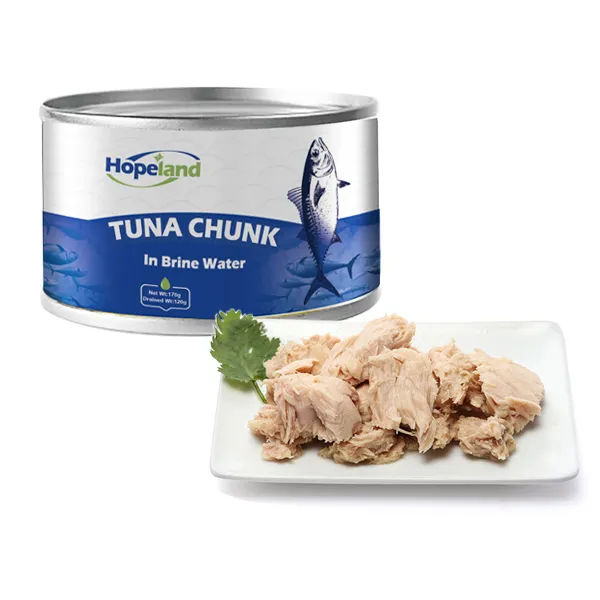
Understanding Bonito
Bonito refers to several species of medium-sized predatory fish that belong to the family Scombridae, the same family that includes tuna and mackerel.
These fish are known for their:
· Streamlined bodies
· Fast swimming speed
· Strong muscles
· Rich, flavorful meat
· High nutritional value
Bonito are pelagic fish, meaning they spend most of their lives swimming in open ocean waters rather than near the sea floor.
Because they share many characteristics with tuna, bonito are often grouped together with tuna products in seafood markets and canned fish categories.
Scientific Classification
Bonito belongs to the following classification:
· Kingdom: Animalia
· Phylum: Chordata
· Class: Actinopterygii
· Order: Scombriformes
· Family: Scombridae
The Scombridae family includes some of the world's most commercially valuable fish species, such as:
· Bluefin tuna
· Yellowfin tuna
· Skipjack tuna
· Albacore tuna
· Mackerel
· Bonito
This close relationship explains why bonito resembles tuna in both appearance and taste.
Major Bonito Species
Several bonito species are commercially important.
Atlantic Bonito (Sarda sarda)
The Atlantic bonito is found throughout:
· The Atlantic Ocean
· Mediterranean Sea
· Black Sea
It is one of the most valuable bonito species and is commonly consumed fresh, frozen, or canned.
Atlantic bonito can grow up to:
· 90 cm in length
· 11 kg in weight
Its flesh is firm and dark, making it highly desirable for seafood processing.
Pacific Bonito (Sarda chiliensis)
This species inhabits the Pacific coast of North and South America.
Pacific bonito is commonly harvested in:
· California
· Mexico
· Peru
· Chile
It supports both commercial and recreational fisheries.
Oriental Bonito (Sarda orientalis)
Oriental bonito is found throughout:
· Western Pacific Ocean
· East China Sea
· South China Sea
· Coastal waters of Japan and Korea
It is an important species for Asian seafood markets.
Australian Bonito (Sarda australis)
This species occurs mainly in waters surrounding Australia and New Zealand.
It contributes to local commercial fisheries and sport fishing industries.
Physical Characteristics of Bonito
Bonito possess several distinctive features.
Streamlined Body
Their torpedo-shaped bodies are designed for speed and efficiency.
This streamlined shape allows them to:
· Chase prey
· Migrate long distances
· Escape predators
Dark Stripes
One of the easiest ways to identify bonito is by the dark stripes running across their backs.
These stripes distinguish them from many tuna species.
Powerful Muscles
Bonito are highly active swimmers.
Their powerful muscles contribute to:
· Firm flesh texture
· Rich flavor
· High protein content
Sharp Teeth
Unlike many tuna species, bonito have noticeable sharp teeth.
These teeth help them capture smaller fish and squid.
Habitat and Distribution
Bonito are widely distributed throughout tropical and temperate oceans.
They typically inhabit:
· Coastal waters
· Open oceans
· Offshore fishing grounds
They are especially common in:
· Atlantic Ocean
· Pacific Ocean
· Indian Ocean
· Mediterranean Sea
Bonito often travel in schools, which makes them easier for commercial fisheries to locate and harvest.
What Does Bonito Eat?
Bonito are carnivorous predators.
Their diet includes:
· Anchovies
· Sardines
· Mackerel
· Squid
· Crustaceans
· Small pelagic fish
Their active feeding behavior contributes to their muscular build and excellent meat quality.
Is Bonito the Same as Tuna?
This is one of the most common questions among seafood consumers.
The answer is no.
Bonito and tuna are different fish species, although they belong to the same family.
Similarities
Bonito and tuna share:
· Similar body shape
· Similar nutritional value
· High protein content
· Commercial importance
· Pelagic lifestyle
Differences
Bonito generally:
· Are smaller than tuna
· Have stronger flavor
· Possess darker flesh
· Cost less than premium tuna species
Many consumers find bonito to be a more affordable alternative to tuna while still offering excellent taste and nutrition.
What Does Bonito Taste Like?
Bonito has a distinctive flavor that seafood lovers often appreciate.
Its taste can be described as:
· Rich
· Savory
· Meaty
· Slightly stronger than tuna
The flesh is firm and dense, making it ideal for:
· Grilling
· Smoking
· Canning
· Drying
Because of its robust flavor, bonito works well with various seasonings and sauces.
Nutritional Value of Bonito
Bonito is considered one of the healthiest seafood options available.
High Protein Content
Protein is essential for:
· Muscle growth
· Tissue repair
· Immune function
· Energy production
Bonito provides high-quality complete protein containing all essential amino acids.
Omega-3 Fatty Acids
Bonito contains beneficial omega-3 fatty acids that support:
· Heart health
· Brain function
· Eye health
· Reduced inflammation
Rich in Vitamins
Bonito is a good source of:
· Vitamin B12
· Vitamin D
· Niacin
· Riboflavin
These vitamins help maintain healthy metabolism and nervous system function.
Essential Minerals
Bonito contains important minerals such as:
· Selenium
· Phosphorus
· Potassium
· Magnesium
These nutrients support overall health and wellness.
Bonito in Japanese Cuisine
Bonito plays an especially important role in Japanese food culture.
Katsuobushi
Perhaps the most famous bonito product is katsuobushi.
Katsuobushi is made by:
1. Filleting bonito
2. Simmering the fish
3. Smoking it repeatedly
4. Drying and fermenting it
The result is an extremely hard fish product that is shaved into thin flakes.
Dashi Broth
Bonito flakes are used to produce dashi, the foundation of many Japanese dishes.
Dashi provides the characteristic umami flavor found in:
· Miso soup
· Noodle soups
· Hot pots
· Sauces
Without bonito, traditional Japanese cuisine would be dramatically different.
Sushi and Sashimi
Fresh bonito is also enjoyed as:
· Sushi
· Sashimi
· Seared fish dishes
Its rich flavor makes it highly valued among seafood enthusiasts.
Bonito in the Canned Seafood Industry
One of the most important commercial uses of bonito is canning.
Why Bonito Is Suitable for Canning
Bonito possesses several qualities that make it ideal for canned seafood production.
These include:
· Firm flesh
· Excellent flavor retention
· High protein content
· Stable supply
· Cost efficiency
After sterilization, bonito maintains an appealing texture and taste.
Common Packing Media
Canned bonito is available in various forms:
Bonito in Oil
Oil-packed bonito offers:
· Rich flavor
· Moist texture
· Extended flavor retention
Bonito in Brine
Brine-packed products provide:
· Lower fat content
· Cleaner seafood taste
· Greater versatility
Bonito in Water
Water-packed bonito is popular among health-conscious consumers.
Bonito in Tomato Sauce
Many African and Middle Eastern markets prefer bonito packed in tomato sauce.
Spicy Bonito
Manufacturers increasingly offer spicy varieties to satisfy local consumer preferences.
How Canned Bonito Is Produced
The canning process involves several carefully controlled steps.
Raw Material Selection
Only high-quality fish are chosen for processing.
Cleaning and Preparation
Fish are washed, sorted, and trimmed.
Cooking
The fish is precooked to improve texture and facilitate meat separation.
Filling
Fish meat is packed into cans together with:
· Oil
· Brine
· Water
· Sauce
Sealing
Cans are hermetically sealed to prevent contamination.
Sterilization
High-temperature sterilization ensures:
· Food safety
· Long shelf life
· Product stability
Quality Control
Finished products undergo extensive inspection before shipment.
Global Demand for Bonito Products
Demand for bonito continues to grow worldwide.
Several factors contribute to this trend.
Demand for Convenient Foods
Consumers increasingly seek ready-to-eat meals and protein sources.
Growth of Health-Conscious Eating
Bonito supports many popular dietary patterns because it is:
· High in protein
· Relatively low in calories
· Rich in omega-3 fatty acids
Expanding Seafood Consumption
Global seafood consumption continues to increase due to:
· Population growth
· Rising incomes
· Urbanization
Affordable Alternative to Tuna
Bonito offers similar nutritional benefits at a more accessible price.
This makes it attractive to both consumers and importers.
Sustainability and Responsible Fishing
As seafood demand grows, sustainability becomes increasingly important.
Responsible fisheries focus on:
· Stock management
· Catch monitoring
· Environmental protection
· Traceability systems
Many seafood buyers now seek suppliers that support sustainable fishing practices.
This trend is expected to continue as consumers become more environmentally conscious.
Bonito for Foodservice and Retail Markets
Bonito products are widely used in:
Retail Stores
Consumers purchase canned bonito for:
· Home cooking
· Emergency food storage
· Lunch preparation
Restaurants
Foodservice operators value bonito because it offers:
· Consistent quality
· Cost efficiency
· Menu versatility
Catering Companies
Large-format canned bonito is frequently used in:
· Schools
· Hospitals
· Military facilities
· Corporate cafeterias
Future Outlook for the Bonito Industry
The future of bonito remains highly promising.
Industry analysts expect continued growth driven by:
· Increasing seafood consumption
· Rising demand for shelf-stable foods
· Growth of online grocery retail
· Expansion of private-label products
· Interest in healthy protein sources
Manufacturers are also investing in:
· Sustainable sourcing
· Premium packaging
· Value-added flavors
· Improved traceability systems
These innovations will help maintain bonito's strong position in global seafood markets.
Conclusion
Bonito is a remarkable fish that combines excellent nutrition, rich flavor, commercial versatility, and global consumer appeal. Although often overshadowed by larger tuna species, bonito plays a vital role in both traditional cuisines and the modern seafood industry.
Its high protein content, omega-3 fatty acids, affordability, and suitability for canning have made it a favorite among consumers worldwide. From Japanese katsuobushi and dashi broth to canned bonito in oil, brine, and tomato sauce, this versatile fish continues to serve millions of people across diverse cultures and markets.
As demand for convenient, nutritious, and sustainable seafood products continues to grow, bonito is expected to remain one of the most important fish species in the international seafood trade for many years to come. For importers, distributors, retailers, and consumers alike, bonito represents a valuable combination of quality, nutrition, and affordability that few other seafood products can match.