

Introduction: Why Sardine Species Matter for Importers
When sourcing canned sardines, many importers focus mainly on price, packaging, and supplier reliability. However, one of the most important factors that determines the final product quality is often overlooked: the sardine species itself.
In the global canned seafood market, two scientific names frequently appear:
· Sardinops melanostictus
· Sardina pilchardus
Both are commonly called sardines, but they are different species with differences in origin, flavor, texture, supply availability, and market positioning.
For seafood distributors, wholesalers, supermarkets, and private-label brands, understanding these differences helps them choose the right sardine product for their target market.
What Is Sardina pilchardus?
Sardina pilchardus is also known as the European pilchard or European sardine.
It is one of the most recognized sardine species worldwide, especially in European and African markets.
The main fishing areas include:
· Atlantic Ocean
· Mediterranean Sea
· Morocco
· Portugal
· Spain
· France
Because of its long history in European seafood culture, Sardina pilchardus has become associated with traditional premium canned sardine products.
Many consumers recognize it as the “classic sardine.”
What Is Sardinops melanostictus?
Sardinops melanostictus is commonly known as the Japanese pilchard or Japanese sardine.
It is mainly found in:
· Northwest Pacific Ocean
· Japan
· Korea
· China
· Russia
This species is widely used in canned seafood production because of its stable supply and competitive raw material cost.
It is commonly processed into:
· Sardines in tomato sauce
· Sardines in vegetable oil
· Sardines in brine
· Spicy canned sardines
For many price-sensitive markets, Sardinops melanostictus provides an excellent balance between quality and cost.
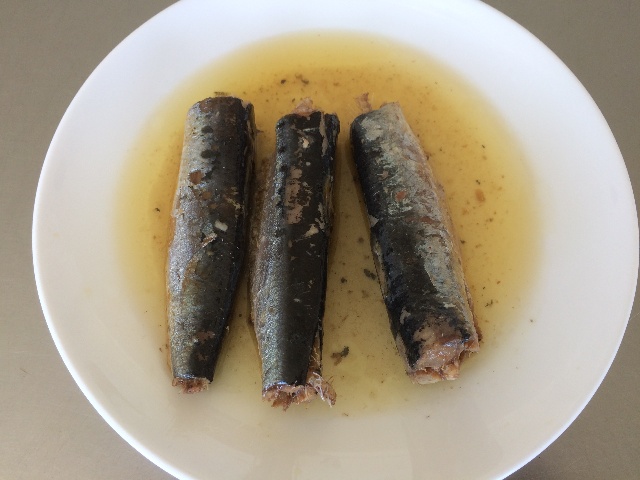
Main Differences Between Sardinops melanostictus and Sardina pilchardus
Comparison | Sardinops melanostictus | Sardina pilchardus |
Common name | Japanese sardine | European pilchard |
Origin | Northwest Pacific | Atlantic & Mediterranean |
Main suppliers | China, Japan, Korea | Morocco, Portugal, Spain |
Market positioning | Value & mass market | Premium market |
Flavor | Mild and clean | Richer sardine flavor |
Texture | Softer | Firmer |
Price level | More competitive | Usually higher |
Best for | Everyday retail products | Premium canned seafood |
Difference in Appearance
Although both species look similar after processing, there are some differences.
Sardinops melanostictus
Typical features:
· Slim body shape
· Silver belly
· Blue-green back
· Softer flesh structure
After canning, the fish usually has a softer mouthfeel and absorbs sauce flavors well.
This makes it suitable for products such as:
· Sardines in tomato sauce
· Sardines with chili sauce
· Economy retail products
Sardina pilchardus
Typical features:
· Slightly thicker body
· More compact shape
· Firmer meat structure
The stronger texture helps the fish maintain a better appearance after sterilization.
Therefore, it is often selected for premium canned sardine products.
Taste Difference: Which One Tastes Better?
Taste preference depends on the target market.
Sardinops melanostictus
Flavor characteristics:
· Mild seafood taste
· Less intense fish aroma
· Soft texture
Advantages:
· Easy for consumers who prefer lighter seafood flavors
· Works well with flavored sauces
Common products:
· Tomato sauce sardines
· Hot chili sardines
· Vegetable oil sardines
Sardina pilchardus
Flavor characteristics:
· Stronger traditional sardine flavor
· Rich oily taste
· Firmer bite
Advantages:
· More suitable for direct consumption
· Preferred by customers who appreciate traditional sardines
Common products:
· Sardines in olive oil
· Premium seafood cans
· Gourmet retail products
Nutritional Comparison
Both species are excellent sources of nutrition.
Canned sardines provide:
High-quality protein
Sardines contain essential amino acids needed for human health.
Omega-3 fatty acids
They are naturally rich in:
· EPA
· DHA
which are important nutrients for cardiovascular and brain health.
Calcium
When canned sardines are processed with edible bones, they provide an excellent source of calcium.
Vitamin B12 and Vitamin D
Sardines are also recognized as nutrient-dense seafood.
The nutritional difference between the two species is usually smaller than the difference in taste, texture, and market preference.
Which Sardine Species Is Better for Canned Seafood Business?
There is no single “best” sardine species.
The right choice depends on:
· Target market
· Consumer preference
· Price positioning
· Brand strategy
Choose Sardinops melanostictus if your market focuses on:
Competitive pricing
For supermarket brands and large-volume distributors, cost control is very important.
Advantages:
✓ Stable supply
✓ Competitive raw material price
✓ Suitable for large orders
✓ Good quality-to-price ratio
Recommended markets:
· Africa
· Middle East
· Asia
· Developing markets
Choose Sardina pilchardus if your market focuses on:
Premium positioning
For customers who want a traditional European-style sardine product:
Advantages:
✓ Strong consumer recognition
✓ Premium image
✓ Firm texture
✓ Traditional sardine flavor
Recommended markets:
· Europe
· Premium retail channels
· Gourmet seafood brands
How Should Importers Select a Sardine Supplier?
Choosing the correct species is only the first step.
A reliable canned sardine supplier should also provide:
1. Stable raw material supply
The supplier should have access to consistent fish resources to avoid quality fluctuations.
2. Strict quality control
Important checks include:
· Fish freshness
· Cooking control
· Can sealing
· Sterilization process
· Metal detection
3. Flexible OEM capability
Many importers require:
· Private label
· Customized labels
· Different sauces
· Different can sizes
A professional supplier should support customized solutions.
Why Choose AMOYTOP Foods for Canned Sardines?
AMOYTOP Foods is a professional canned food exporter based in Xiamen, China, supplying canned fish, canned fruits, and canned vegetables to global markets. The company works with holding factories in China and provides OEM/private label solutions for international customers.
Our canned seafood products focus on:
· Reliable quality control
· Competitive pricing
· Flexible packaging options
· Export experience
For customers looking for canned sardines, we can provide solutions according to different market requirements, including:
· Sardines in tomato sauce
· Sardines in oil
· Sardines in brine
· Customized private-label products
Conclusion
Both Sardinops melanostictus and Sardina pilchardus are valuable sardine species for canned seafood production.
The key difference is:
Sardinops melanostictus
→ Better choice for competitive pricing and high-volume markets.
Sardina pilchardus
→ Better choice for premium positioning and traditional sardine markets.
For importers, distributors, and brand owners, selecting the right sardine species can directly influence product quality, customer satisfaction, and market success.
A professional canned seafood supplier can help you choose the most suitable sardine species according to your market needs.