

The Fishing Season’s Ripple Effect on the Canned Fish Industry: Raw Material Supply, Cost Dynamics, and Global Market Impact
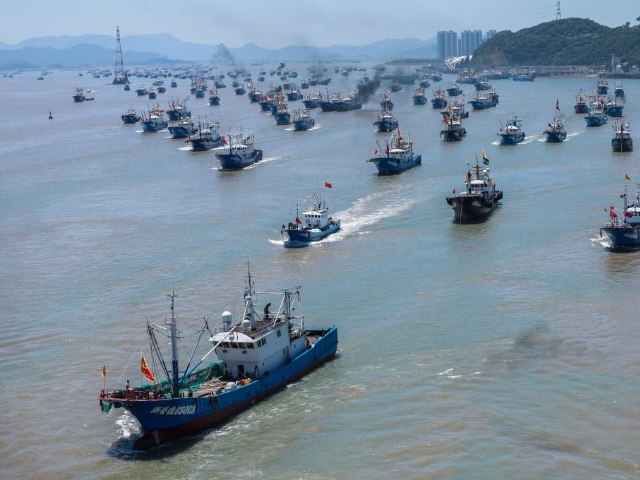
Every year, as summer transitions into autumn, China’s coastal fishing industry enters an important seasonal turning point. After several months of fishing restrictions, fishing vessels gradually return to sea, bringing fresh catches back to ports and processing centers. For the canned fish industry, this is much more than the beginning of a new fishing cycle. It marks a major shift in raw material availability, production planning, purchasing costs, and supply-chain management.
China’s seasonal fishing moratorium is designed to protect marine resources and support the sustainable development of fisheries. Different fishing grounds reopen at different times. In many southern and eastern coastal areas, fishing activities begin to resume around mid-August, while the Yellow Sea and Bohai Sea generally reopen later. Once the fishing season starts, large quantities of fresh fish enter the market, creating a ripple effect that can extend from fishing vessels and processing plants to international buyers and global seafood markets.
For canned fish producers, understanding this seasonal cycle is essential. The fishing season can create opportunities for better-quality raw materials and more competitive costs, but it can also bring considerable uncertainty. Catch volumes, weather conditions, fuel prices, labor availability, transportation costs, and international demand can all influence the final price of canned fish.
From Frozen Inventory to Fresh Catch: A Major Raw Material Shift
During the fishing moratorium, domestic fishing activity is significantly reduced or suspended in affected areas. Canned fish factories therefore need to rely on frozen inventories, previously purchased raw materials, or fish sourced from distant-water fisheries.
For processors, this period can create several challenges.
First, frozen fish requires cold storage, which adds warehousing and electricity costs. The longer raw materials remain in storage, the greater the financial pressure on processors. Although modern freezing technology can preserve fish effectively, certain species are still highly sensitive to storage conditions and time.
Second, frozen inventory limits purchasing flexibility. When fresh fish is unavailable, factories must carefully manage their existing stocks to avoid running out of raw materials before the fishing season resumes. This makes production planning particularly important for products such as canned sardines, mackerel, and other species that depend heavily on seasonal catches.
The reopening of fishing grounds changes this situation dramatically.
Once fishing vessels return to sea, fresh fish can arrive at ports in large quantities. For canneries located near major fishing and processing areas, this creates a valuable opportunity to replenish raw material inventories and restart or increase production.
Freshly landed fish can also provide advantages in terms of processing quality. When fish moves quickly from the fishing vessel to the processing plant, producers can better preserve characteristics such as texture, appearance, and flavor.
However, the arrival of the fishing season does not automatically mean lower prices.
The price of fish is determined by the balance between supply and demand. If the first catches of the season are abundant, increased supply may put downward pressure on raw material prices. If catches are disappointing, however, prices can remain high or even increase.
This makes the first weeks of the fishing season particularly important for purchasing managers.
Why Catch Volume Matters So Much
The most important variable during the fishing season is simple: how much fish is actually caught?
Fishing is fundamentally different from conventional manufacturing because raw material availability cannot be completely controlled by producers. Weather, ocean temperatures, currents, fish migration patterns, fishing restrictions, fuel costs, and ecological conditions can all influence catch volumes.
A strong fishing season can bring substantial benefits to the canned fish industry.
When more fish reaches the market, processors have more purchasing options. Competition for raw materials may decrease, while factories can build inventories at more favorable prices. This can improve production planning and potentially create room for more competitive export quotations.
For large-scale canneries, even a relatively small change in raw material prices can have a significant impact on total production costs.
Consider a factory producing dozens of tons of canned fish every day. If the raw material price changes by only a small amount per kilogram, the impact can quickly become substantial when multiplied by hundreds of tons of production.
On the other hand, a weak fishing season can create the opposite effect.
If catches are lower than expected, processors may compete more aggressively for limited supplies. Raw material prices can rise, while factories still need to meet existing customer commitments. For companies operating under fixed-price contracts, this can put considerable pressure on margins.
This is why the fishing season is not simply a period of lower prices. It is better understood as a period of increased supply uncertainty and market adjustment.
The Cost Chain: From Fishing Boats to Canned Fish
The effect of fishing-season fluctuations does not stop at the price of raw fish.
The complete cost structure of canned fish includes many interconnected factors.
These include:
· Raw fish prices
· Fuel and fishing costs
· Port and unloading charges
· Cold storage
· Labor
· Packaging materials
· Canning and processing
· Sterilization
· Electricity and water
· Inland transportation
· Container freight
· Export-related costs
When raw material prices move significantly, the impact can spread through the entire production chain.
For example, when fish prices fall after a strong landing season, processors may have an opportunity to purchase more raw materials and increase production. This can support more competitive offers to overseas buyers.
But if raw material prices rise, factories may need to reconsider production schedules, inventory strategies, and export quotations.
This is particularly important for long-term contracts. A buyer may expect a stable price for several months, while the processor is exposed to raw material prices that can change much faster.
The situation is even more complicated for globally traded species.
Tuna, sardines, mackerel, and other commercially important species are connected to international fishing markets. A shortage in one region can influence purchasing behavior in another. Changes in fishing quotas, seasonal restrictions, weather conditions, or international demand can therefore affect processors far beyond the location where the original catch was made.
Production Challenges After the Fishing Season Begins
A large supply of fresh fish sounds positive for processors, but it can also create operational pressure.
When fishing activity resumes, a large quantity of fish may reach ports within a relatively short period. Processing plants must be ready to receive, inspect, transport, clean, process, cook, fill, seal, sterilize, and pack the fish efficiently.
This creates a race against time.
Fish is a highly perishable product, so raw materials cannot simply sit at the port or factory waiting for production capacity to become available.
Factories therefore need to coordinate several areas simultaneously:
Purchasing: Raw materials must be secured quickly when suitable fish becomes available.
Quality control: Fresh catches need to be inspected for size, freshness, appearance, and suitability for processing.
Production: Processing lines must operate efficiently to handle increased raw material volumes.
Labor: Additional workers may be needed during periods of intensive production.
Cold chain: Fish that cannot be processed immediately must be stored under appropriate conditions.
Logistics: Transportation capacity must be available to move raw materials and finished products.
For canneries, the fishing season can therefore create both an opportunity and a capacity test.
A company with strong procurement and production coordination may benefit from the seasonal supply window. A company with insufficient capacity may struggle to convert abundant raw materials into finished products quickly enough.
Seasonal Production and Product Quality
Raw material freshness is particularly important in canned seafood.
Although canning involves cooking and sterilization, the quality of the final product begins with the quality of the raw material.
Fresh fish with appropriate size, texture, and freshness can provide a better foundation for consistent finished products. For products such as canned sardines and mackerel, factors such as flesh texture, color, oil content, and overall appearance can influence consumer acceptance.
This is one reason why experienced canneries closely monitor the beginning of each fishing season.
Instead of simply asking whether fish is available, professional purchasing teams also evaluate:
· Fish size and uniformity
· Freshness
· Fat content
· Texture
· Seasonal quality
· Catch location
· Availability of different grades
· Expected supply throughout the season
The goal is not necessarily to buy the cheapest fish. The goal is to secure the best balance between quality, availability, and cost.
Global Supply Chains Add Another Layer of Complexity
China’s canned fish industry is closely connected to the international seafood market.
Many canned seafood products are exported, meaning Chinese processors must consider not only domestic fishing conditions but also global market developments.
Mackerel provides a good example.
In several major seafood markets, declining catches and changing marine conditions have created concerns about raw material availability. When supply becomes tight, processors may face higher procurement costs and stronger competition for fish.
Tuna markets demonstrate the same principle on an even larger international scale. Tuna canneries in different countries compete for access to the same global resources. Fishing restrictions, seasonal closures, changes in catch volumes, fuel costs, and international demand can all influence prices.
As a result, a Chinese processor may experience cost pressure even when domestic fishing conditions appear relatively favorable.
This is why canned seafood companies increasingly need to think beyond their immediate production region.
The modern seafood supply chain is interconnected. A shortage in one fishing ground can change purchasing patterns elsewhere, while a change in consumer demand in Europe, the Middle East, Africa, or North America can eventually influence raw material prices at the production level.
International Buyers Are Also Watching the Fishing Season
For international importers, the fishing season can be an important purchasing window.
When raw material supply becomes more stable, buyers may have more opportunities to negotiate competitive prices and secure production capacity.
However, waiting too long can also create risks.
If catches are strong at the beginning of the season, prices may initially become attractive. But if international demand rises or catches later weaken, prices can move in the opposite direction.
For this reason, experienced importers often monitor several indicators at the same time:
1. Fishing activity and landing volumes
2. Raw material prices
3. Production capacity
4. International freight rates
5. Currency movements
6. Seasonal demand
7. Inventory levels
8. Export market trends
Purchasing decisions should therefore be based on the overall market situation rather than on raw material prices alone.
For canned fish buyers, securing production capacity can sometimes be just as important as securing a low price.
The Growing Importance of Supply-Chain Stability
Recent developments in the global seafood industry have highlighted a key lesson: price is important, but supply-chain stability is equally important.
A low-cost supplier may not always be the best long-term partner if raw material availability is inconsistent, quality fluctuates, or production cannot be maintained.
For canned seafood exporters, stable relationships with fishing suppliers, strong quality-control systems, adequate cold-storage capacity, and flexible production planning can become significant competitive advantages.
A reliable processor can respond more effectively when market conditions change.
If raw material prices fall, the company can increase purchasing and build inventory.
If prices rise, it can adjust production schedules and purchasing strategies.
If one fishing area experiences weaker catches, diversified sourcing can reduce dependence on a single supply channel.
This flexibility is becoming increasingly valuable as climate change, environmental regulations, fishing restrictions, and international market fluctuations continue to influence the seafood industry.
What the Fishing Season Means for China's Canned Fish Industry
Ultimately, the fishing season represents much more than the return of fishing boats to the sea.
It is a major annual adjustment point for the entire canned seafood supply chain.
For processors, it can mean:
Better access to fresh raw materials — Fresh catches can reduce dependence on older frozen inventories.
Potentially lower procurement costs — Strong landings can increase supply and improve purchasing conditions.
Higher production opportunities — Greater raw material availability allows factories to increase production and replenish inventories.
Greater short-term volatility — Catch volumes and market demand can cause prices to change quickly.
Operational pressure — Large quantities of fresh fish require fast and efficient processing.
Global market exposure — Domestic conditions are increasingly influenced by international seafood supply and demand.
For exporters, the fishing season can therefore become an important period for reviewing quotations, planning production, discussing contracts with customers, and preparing inventory for upcoming demand.
Conclusion: Turning a Seasonal Window into a Strategic Advantage
The fishing season is a natural cycle, but its economic impact reaches far beyond the fishing industry.
For China's canned fish producers, the reopening of fishing grounds provides an opportunity to secure fresh raw materials, optimize purchasing costs, improve production efficiency, and strengthen competitiveness in international markets.
At the same time, it is important not to assume that the beginning of the fishing season automatically means cheaper fish. Catch volumes, weather, resource conditions, international prices, fuel costs, and demand can all influence the final outcome.
The most successful canned seafood companies are those that treat the fishing season as a strategic supply-chain opportunity rather than simply a seasonal event.
They monitor fishing conditions, maintain close relationships with suppliers, evaluate raw material quality carefully, manage inventories intelligently, and communicate proactively with international customers.
For overseas buyers, the same principle applies. Understanding the fishing season can help importers make better purchasing decisions, plan orders earlier, and avoid unnecessary exposure to sudden raw material price increases.
In an increasingly interconnected seafood market, the journey from fishing boat to supermarket shelf is influenced by countless factors. A change in fishing activity can affect raw material prices; raw material prices can affect production costs; production costs can influence export quotations; and export quotations can ultimately affect consumers around the world.
That is the true ripple effect of the fishing season.
For China's canned fish industry, the annual reopening of fishing grounds is not simply the beginning of a new catch. It is the beginning of a new cycle of supply, production, pricing, and global competition.