

Introduction: Choosing the Right Source for Canned Sweet Corn
Canned sweet corn is one of the most popular canned vegetable products worldwide. From supermarkets and foodservice kitchens to ready meals and industrial food production, canned sweet corn is valued for its convenience, long shelf life, consistent taste, and nutritional benefits.
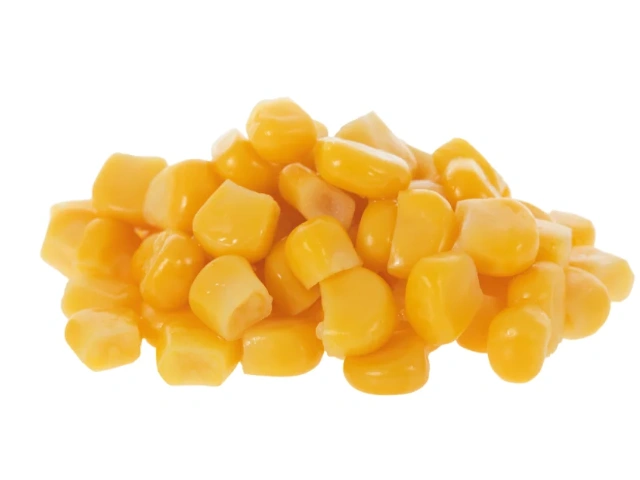
For global buyers, one common question is:
“Which is better for canned sweet corn — Thailand or China?”
Both Thailand and China are major players in the canned sweet corn industry, offering a wide range of products for international markets. However, differences exist in raw material sourcing, production capacity, processing technology, pricing, export experience, and quality control systems.
The answer is not simply that one country is always better. The best choice depends on the buyer’s requirements, including target market, product specifications, packaging needs, and cost expectations.
This article provides a detailed comparison of canned sweet corn from Thailand and China to help importers, wholesalers, and food brands make better purchasing decisions
1. Overview of the Global Canned Sweet Corn Market
Sweet corn is consumed worldwide due to its naturally sweet flavor, attractive yellow color, and versatility. Canned sweet corn is commonly used in:
· Salads
· Pizza toppings
· Sandwich fillings
· Soups
· Ready-to-eat meals
· Frozen food alternatives
· Restaurant and catering applications
The global demand for canned sweet corn continues to grow as consumers look for convenient and affordable vegetable products.
The main exporting countries include:
· China
· Thailand
· Hungary
· France
· Spain
· The United States
Among Asian suppliers, China and Thailand are two important sources for international buyers.
2. Canned Sweet Corn Production in Thailand
Thailand has a strong reputation in the canned food industry, especially for tropical agricultural products. The country has developed a mature export-oriented food processing sector with many factories supplying international brands.
Advantages of Thai Canned Sweet Corn
1. Good Raw Material Conditions
Thailand has a warm climate suitable for corn cultivation. Many factories cooperate closely with local farmers to ensure stable raw material supply.
Thai sweet corn is often recognized for:
· Sweet flavor
· Bright yellow appearance
· Soft texture
· Good uniformity
Many Thai processors focus on premium-quality sweet corn varieties selected specifically for canning.
2. Strong Export Experience
Thailand has decades of experience exporting canned food to:
· Europe
· Japan
· The Middle East
· North America
· Australia
Thai suppliers are familiar with strict international requirements, including:
· HACCP
· BRC
· ISO 22000
· IFS
· Retail customer audits
This experience makes Thai canned sweet corn attractive to multinational retailers and premium brands.
3. Stable Product Image
Thai canned food products often have a reputation for reliability among international buyers.
For markets where consumers are willing to pay a higher price for imported products, Thai origin can sometimes provide additional marketing value.
Challenges of Thai Canned Sweet Corn
Higher Production Costs
Thailand generally has higher labor and operating costs compared with China.
This can result in:
· Higher FOB prices
· Less flexibility for low-cost markets
· Limited advantage for price-sensitive buyers
For importers selling in developing markets, price differences can significantly affect competitiveness.
Limited Factory Scale Compared with China
Although Thailand has advanced factories, China has a much larger agricultural and manufacturing base.
For buyers requiring:
· Large volumes
· Multiple packaging formats
· Customized OEM production
China may provide more options.
3. Canned Sweet Corn Production in China
China is one of the world's largest agricultural producers and has become a major supplier of canned vegetables.
Chinese canned sweet corn is exported to markets worldwide, including:
· Europe
· Africa
· Middle East
· Southeast Asia
· South America
· North America
Advantages of Chinese Canned Sweet Corn
1. Large Production Capacity
China has extensive corn-growing areas and a complete canned food supply chain.
Advantages include:
· Stable raw material supply
· Large-scale production
· Flexible container loading
· Strong OEM capability
Chinese factories can usually handle orders ranging from small trial quantities to large annual contracts.
2. Competitive Pricing
One of China's biggest advantages is cost efficiency.
Compared with many countries, China benefits from:
· Mature supply chains
· Efficient manufacturing
· Large-scale production
· Strong packaging industry
This allows Chinese suppliers to offer competitive prices while maintaining international quality standards.
For many importers, especially distributors and supermarket suppliers, balancing quality and price is the key factor.
3. Wide Product Range
Chinese canned sweet corn suppliers can offer various specifications, including:
Packaging:
· 184g cans
· 340g cans
· 400g cans
· 425g cans
· 800g cans
· 2840g cans
Product Types:
· Whole kernel sweet corn
· Cream style corn
· Organic sweet corn
· Private label canned corn
· Foodservice bulk packaging
This flexibility is especially valuable for importers developing different market segments.
4. Strong OEM and Private Label Capability
Many global brands purchase canned sweet corn from China under their own labels.
Chinese factories can provide:
· Custom labels
· Customized cartons
· Different recipes
· Special packaging
· Customer-specific specifications
This makes China an attractive choice for private label businesses.
4. Quality Comparison: Thailand vs China Canned Sweet Corn
1. Raw Material Quality
Thailand
Thai sweet corn is often praised for:
· Natural sweetness
· Tender texture
· Attractive appearance
The country has experience producing corn varieties specifically for the canned industry.
China
China also produces high-quality sweet corn, especially from major agricultural regions.
Modern Chinese suppliers control:
· Corn variety selection
· Harvest timing
· Sugar content
· Kernel size
Conclusion:
Both countries can provide excellent raw materials. The final quality depends more on the factory’s agricultural management and quality control system than the country itself.
2. Processing Technology
Modern canned sweet corn production includes:
1. Raw corn inspection
2. Husking and cleaning
3. Kernel cutting
4. Blanching
5. Filling
6. Adding brine
7. Sealing
8. Sterilization
9. Quality inspection
Both Thailand and China use advanced production lines.
High-quality factories focus on:
· Maintaining kernel texture
· Preventing over-processing
· Controlling sweetness
· Ensuring color stability
3. Food Safety Standards
International buyers should evaluate factories based on certifications rather than origin alone.
Important certifications include:
· HACCP
· BRC
· ISO 22000
· IFS
· FDA registration
· HALAL certification (for certain markets)
A certified Chinese factory can provide the same level of food safety control as a Thai factory.
5. Price Comparison: Thailand vs China
Price is one of the biggest differences.
Generally:
Factor | Thailand | China |
Raw material cost | Higher | Competitive |
Labor cost | Higher | Lower |
Production scale | Medium | Very large |
FOB price | Usually higher | Usually more competitive |
OEM flexibility | Good | Excellent |
For buyers targeting premium markets, Thailand may be attractive.
For distributors looking for competitive pricing and stable supply, China is often preferred.
6. Which Is Better for Different Buyers?
For Premium Retail Brands
Thailand may be suitable because:
· Strong food reputation
· Premium positioning
· Good export history
However, Chinese suppliers with advanced factories can also meet premium requirements.
For Supermarket Importers
China is often a strong choice because:
· Competitive pricing
· Flexible packaging
· Large production capacity
· Private label support
For Foodservice Buyers
China has advantages due to:
· Large cans available
· Bulk packaging options
· Stable supply
· Cost control
For Emerging Markets
Markets in Africa, Middle East, and Southeast Asia often focus on:
· Affordable prices
· Reliable quality
· Long-term supply
Chinese suppliers frequently have strong competitiveness in these regions.
7. How to Choose a Reliable Canned Sweet Corn Supplier
Instead of choosing only by country, buyers should evaluate suppliers based on:
1. Factory Capability
Check:
· Production capacity
· Processing equipment
· Experience with export markets
2. Quality Control System
Ask about:
· Raw material inspection
· Production monitoring
· Finished product testing
· Traceability system
3. Product Samples
Before placing large orders, buyers should evaluate:
· Sweetness
· Texture
· Color
· Kernel size
· Liquid clarity
4. Customer Service
A reliable supplier should provide:
· Fast communication
· Accurate documentation
· Flexible cooperation
· Stable delivery schedules
8. Why Many Global Buyers Choose Chinese Canned Sweet Corn
China’s canned food industry has developed significantly over the past decades.
Today, leading Chinese manufacturers combine:
· Modern production technology
· Strict quality management
· Competitive pricing
· Large-scale supply capability
For international buyers, China offers an attractive balance:
Good quality + competitive price + flexible customization
This combination makes Chinese canned sweet corn widely accepted in global markets.
9. Why Choose AMOYTOP Foods for Canned Sweet Corn?
As an experienced canned food supplier, AMOYTOP Foods focuses on providing reliable canned vegetables for global customers.
Our advantages include:
Professional Production Experience
We specialize in canned food products, including:
· Canned sweet corn
· Canned bamboo shoots
· Canned mushrooms
· Canned fruits
· Canned fish products
Strict Quality Control
We focus on:
· Selecting suitable raw materials
· Controlling processing conditions
· Maintaining consistent product quality
Our factory follows international food safety standards to ensure reliable products for overseas markets.
Flexible OEM Solutions
We support:
· Private labels
· Customized packaging
· Different can sizes
· Customer-specific requirements
Stable Export Supply
With experience serving international markets, AMOYTOP Foods understands the needs of importers, distributors, and retailers.
Conclusion: Thailand vs China — Which Canned Sweet Corn Is Better?
Both Thailand and China can produce high-quality canned sweet corn.
Thailand has advantages in premium positioning, strong export reputation, and specialized agricultural experience.
China’s advantages include larger production capacity, competitive pricing, wider product options, and strong OEM capability.
For most international buyers, the best choice is not simply choosing between Thailand and China. The key is selecting a supplier with:
· Reliable raw materials
· Strict quality control
· Modern production facilities
· Export experience
· Consistent service
A professional Chinese canned sweet corn manufacturer can provide world-class quality while offering better cost efficiency and flexibility.
For importers searching for a dependable canned sweet corn partner, China remains one of the most competitive sourcing destinations in the global canned food industry.