Crisp, Sweet Canned Water Chestnut – Your Year-Round Crunch Upgrade
Every year, as the growing season cycles forward, the quiet wetlands where water chestnuts thrive begin to wake up. Under the warm sun and in shallow, gently moving water, the bulbs slowly swell with moisture, sweetness, and the clean, refreshing flavor that makes them so beloved. And right now, the raw materials are gradually increasing, signaling another strong production season for one of the most unique and versatile ingredients in the food world: canned water chestnuts.
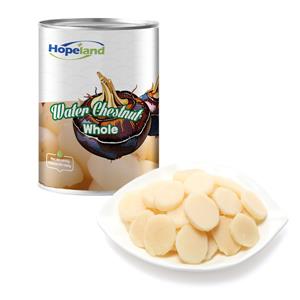
Even better? Thanks to modern canning technology, that once-per-year harvest can be enjoyed 365 days a year, in kitchens around the world. Whether you’re elevating a bright salad, adding crisp texture to a stir-fry, or reaching for a simple healthy snack, canned water chestnuts deliver a distinctive crunch unlike anything else.
Ready to elevate salads, stir-fries & snacks year-round?
Slide the pieces, taste the crunch.
Let’s explore why this ingredient is so special, how rising raw material supply affects quality, and why canned water chestnuts should always have a place in your home or commercial pantry.
1. The Story Behind Water Chestnuts: From Wetland to Table
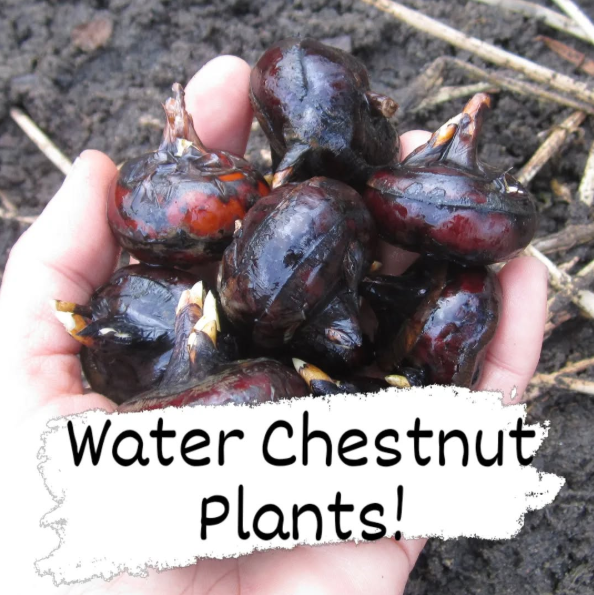
Water chestnuts—Eleocharis dulcis—are not nuts at all but aquatic corms that grow submerged in marshes and paddy fields. Their rounded, brown exterior hides a snow-white flesh that remains crisp even after cooking. Because they must be harvested by hand, the process is labor-intensive, requiring farmers to reach deep into the mud to pull each bulb free.
A Harvest on the Rise
As we move deeper into the season, the availability of raw materials is steadily increasing. This year, growers are reporting:
Higher plant density
More uniform bulb size
Improved natural sweetness due to stable weather
A smoother harvest, allowing processors to select only top-grade pieces
This rising supply means canneries can be more selective, choosing the firmest, freshest bulbs for slicing or dicing. The improvement begins right at the source—and the result is a brighter, cleaner product in every can.
2. Why Canning Is the Ideal Preservation Method
Water chestnuts are delicate. After being peeled, they begin losing their crispness quickly when fresh. Canning solves this problem perfectly, preserving both:
The natural sweetness
The iconic crunchy texture
within hours of harvest.
Rapid Processing = Peak Freshness
During peak season, water chestnuts often go from farm to factory to can in a single day. The workflow usually looks like this:
Harvest – Farmers pull bulbs from the soil at dawn.
Transport – Raw materials arrive at the processing plant within hours.
Sorting – Trained workers eliminate damaged or undersized bulbs.
Peeling & Trimming – Machines and hand labor remove the tough outer skin.
Washing – Clean, filtered water rinses away starch and mud.
Slicing or Dicing – Depending on the product specification.
Canning – Pieces are packed into tins with purified water.
Sealing & Sterilization – High heat locks in freshness for up to 3 years.
Because the processing is rapid and controlled, canned water chestnuts taste remarkably fresh—sometimes even fresher than some “fresh” water chestnuts already sitting for weeks in the supply chain.
3. What Rising Raw Material Supply Means for You
As the raw material volume increases, several benefits naturally ripple through the supply chain:
⭐ Better Texture
More supply means stricter selection. Only the firmest bulbs—those with the best snap—make it into cans.
⭐ Sweeter Flavor
Younger, freshly harvested bulbs contain higher natural sugars and moisture, creating a cleaner, brighter taste.
⭐ More Stable Pricing
A healthy harvest stabilizes market conditions and keeps canned products affordable.
⭐ Larger Availability
Factories operate at higher efficiency, producing more:
Whole water chestnuts
Sliced water chestnuts
Diced water chestnuts
Various can sizes: 227g, 567g, 2950g, etc.
This allows distributors, wholesalers, hotels, and restaurants to plan confidently, knowing their supply is secure.
4. The Magic of the Crunch: Why People Love Water Chestnuts
Few foods remain crisp after cooking. Water chestnuts are one of the rare exceptions. Their cell walls contain compounds that resist breakdown, even when exposed to heat. That’s why they stay crunchy:
In boiling soups
In high-heat stir-fries
Wrapped inside dumplings
Even after baking
And the crunch is distinct—not brittle like a nut, not watery like bamboo shoots, not soft like cooked vegetables. It’s a clean, refreshing snap that brightens dishes without overwhelming their flavor.
Their Flavor: Mild, Sweet, and Versatile
Canned water chestnuts taste:
Lightly sweet
Clean
Pure
Mild enough to blend with any cuisine
They absorb sauces beautifully while offering a texture contrast that elevates the whole dish.
5. Year-Round Convenience: A Chef’s Secret Weapon
Because fresh water chestnuts are seasonal, many kitchens worldwide rely on canned versions for consistency.
Canned Water Chestnuts Are:
Ready to use
Shelf-stable for up to 36 months
Consistent in size and texture
Easy to store, transport, and portion
For restaurants, this means predictable results. For home cooks, it means you can enjoy premium crunch whenever you want—no peeling, no muddy wash water, no waste.
6. How to Use Canned Water Chestnuts: Recipes, Ideas & Inspiration
✨ 1. Add Them to Fresh Salads
Water chestnuts offer a refreshing contrast to greens and dressings. Try them in:
Asian sesame salads
Grilled chicken salads
Avocado and green apple salads
Rainbow vegetable salads
Cold noodle bowls
Slice them and mix them in—every forkful becomes more vibrant.
2. Transform Stir-Fries
Because they hold their crunch in heat, water chestnuts are ideal for wok dishes:
Beef & broccoli with sliced chestnuts
Chicken cashew stir-fry
Sweet-and-sour pork with diced chestnuts
Kung Pao chicken
Mixed vegetable medleys
They offer balance to soft vegetables and proteins, adding texture without altering the flavor profile.
3. Create Fun, Crunchy Appetizers
Get creative:
Bacon-wrapped whole chestnuts – A crowd favorite
Dumpling and wonton fillings – Adds moisture and crunch
Lettuce cups – Perfect with minced meat
Fresh spring rolls – Adds snap to every bite
Sushi or poke bowls – A subtle sweet crunch
They’re also fantastic in cold snacks and kids’ lunchbox combinations.
4. Add to Soups & Stews
Water chestnuts stay firm in boiling liquids. Add them to:
Chicken soup
Hotpot
Curry dishes
Vegetable stews
Thai coconut soup
They absorb flavors while maintaining their structure.
5. Upgrade Dumplings, Meatballs, and Fillings
Diced water chestnuts add juiciness and texture to:
Pork dumplings
Chicken meatballs
Spring roll filling
Stuffed bell peppers
Savory pies
The added crunch makes each bite more interesting.
6. Use as a Healthy Snack
For a simple, refreshing treat:
Rinse canned water chestnuts and snack on them plain.
Low-calorie, fat-free, naturally sweet, and hydrating—they’re a clean, guilt-free option anytime.
7. Health Benefits: More Than Just Crunch
Water chestnuts are valued not only for their texture but also for their nutritional value.
Low in Calories
A cup contains only about 120 calories.
Rich in Antioxidants
They contain ferulic acid and catechins that help reduce inflammation.
High Water Content
At nearly 75% water, they hydrate the body naturally.
Fat-Free & Cholesterol-Free
Perfect for heart-healthy diets.
Gluten-Free & Allergen-Free
Safe for nearly all dietary needs.
Rich in Potassium & Vitamin B6
Supports muscle function and metabolism.
Because canned water chestnuts retain most of their nutrients, they are one of the healthiest shelf-stable foods available.
8. Behind the Scenes: Ensuring Quality From Farm to Can
With raw materials increasing this season, producers are raising standards. Quality control teams monitor every stage:
Sorting & Grading
Only bulbs with:
No visible cracks
Smooth round shape
Bright white flesh
Proper firmness are selected.
Color Preservation
Natural whiteness is protected through careful peeling and washing processes using clean water and controlled temperatures.
Texture Management
Processing is designed to maintain cell structure, preserving crunch during sterilization.
Food Safety
Every can is sealed, heat-processed, and tested to meet international standards:
HACCP
ISO22000
FDA registration or EU requirements (depending on market)
This ensures the final product is safe, consistent, and delicious.
9. Why This Season Matters: The Impact of Growing Raw Materials
The gradual increase in raw materials influences the market in several positive ways:
Stronger Consistency
With more supply, factories can maintain strict grading standards.
Enhanced Efficiency
Higher volumes reduce downtime and keep production lines running smoothly.
Better Inventory & Supply Stability
Wholesalers and buyers worldwide can rely on consistent shipments.
Opportunities for Mixed Container Shipments
As production scales, exporters can offer:
Mixed SKUs
Mixed can sizes
Better loading combinations
This season is shaping up to support global demand strongly.
10. Your Year-Round Crunch Companion
Whether you’re a home cook, a restaurant buyer, or a distributor looking to plan your next order, canned water chestnuts offer unbeatable value:
Crisp
Sweet
Versatile
Shelf-stable
Easy to use
Consistent in quality
And with raw materials increasing this season, the quality is only getting better—more snap, more sweetness, more freshness in every tin.
Slide the Pieces, Taste the Crunch
As the new production season gains momentum, now is the perfect time to embrace the freshness, crispness, and sweetness that canned water chestnuts bring to the table.
Open a can.
Slide the pieces.
Taste the crunch.
From salads to stir-fries to snacks, let your dishes shine with refreshing texture and year-round convenience.